

 English
 русский
 Español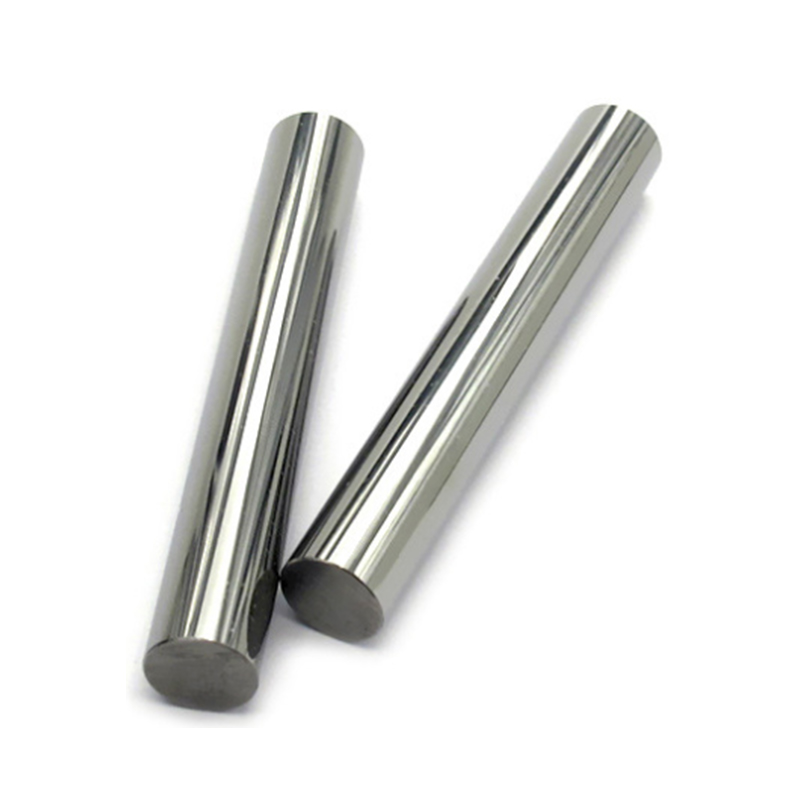

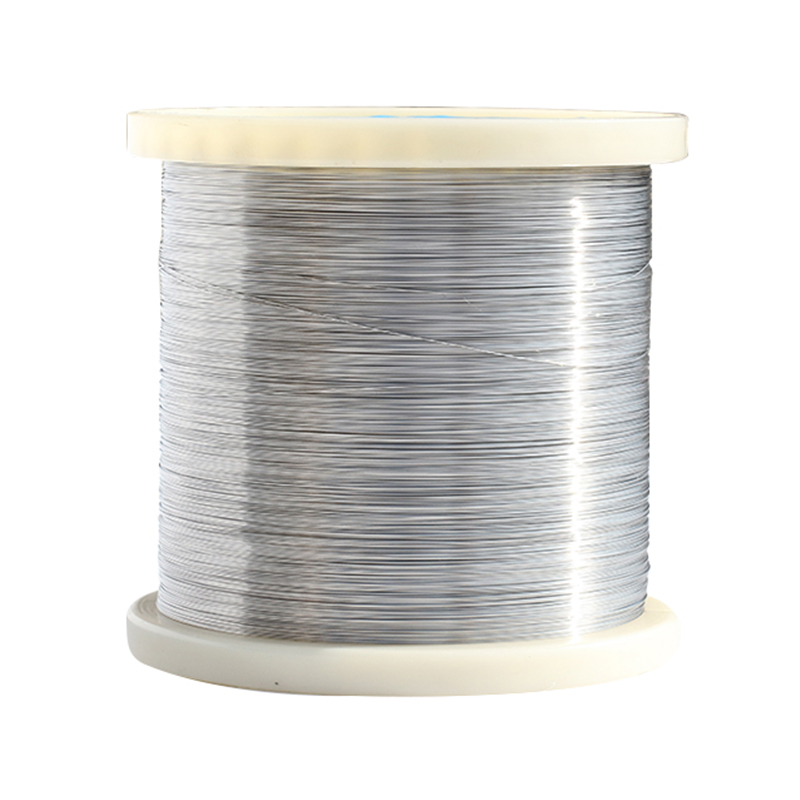
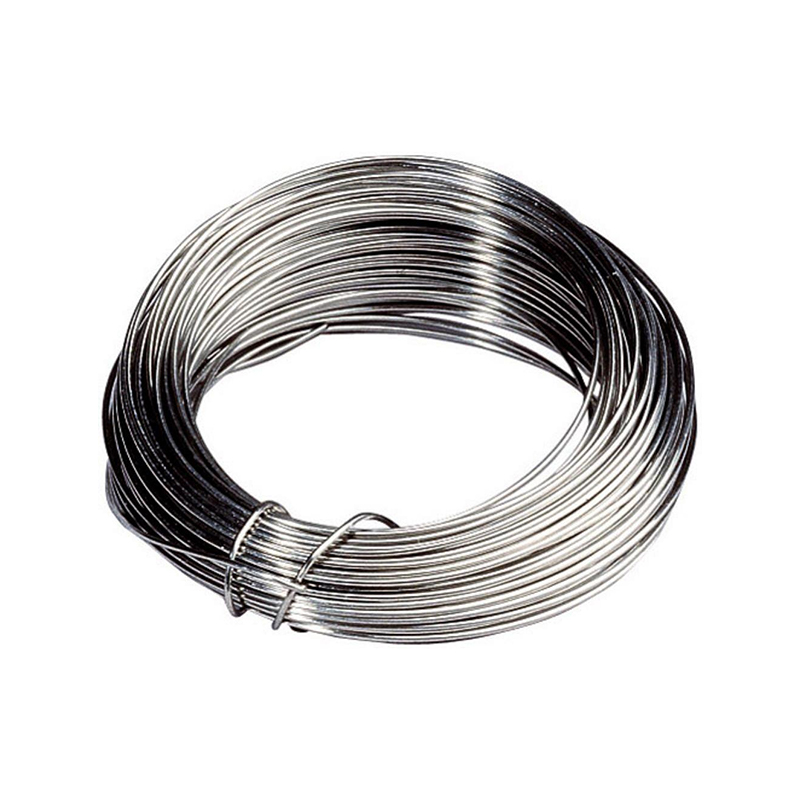
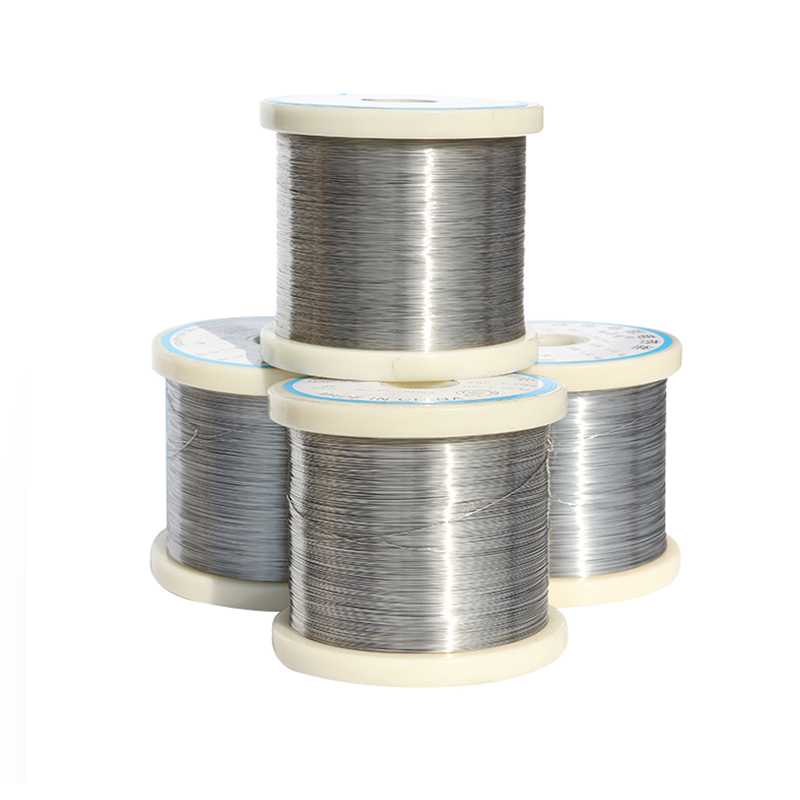
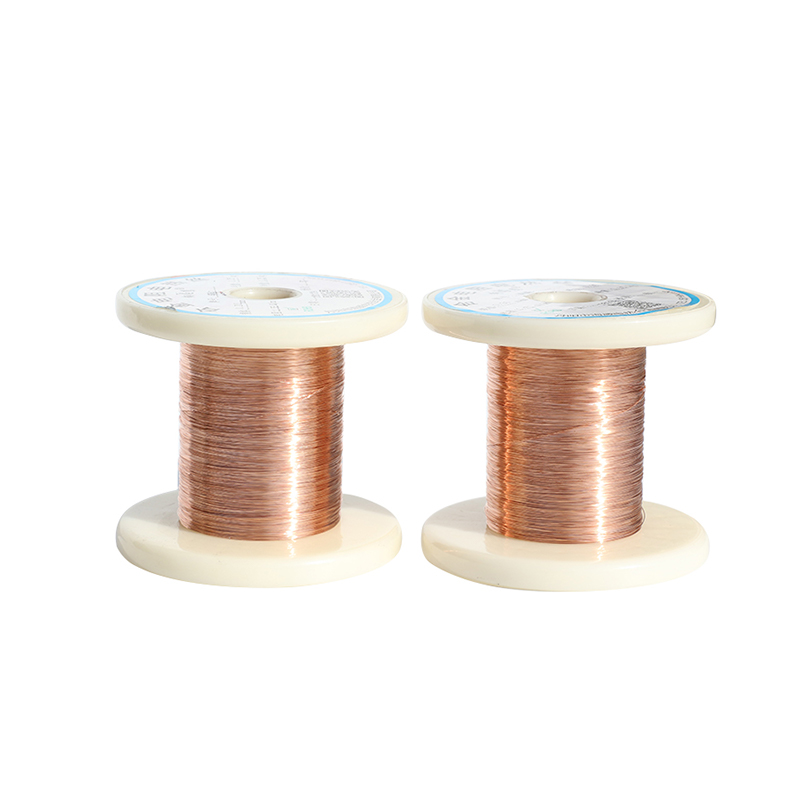
The monel composition is primarily a nickel-copper alloy, typically consisting of approximately 63-70% nickel and 28-34% copper, with small additions of iron, manganese, carbon, and silicon. This uni...
READ MORENews
Home / News / Industry News / Stainless Steel vs. Corrosion-Resistant Alloy: Which is Best for Harsh Environments?

Stainless Steel vs. Corrosion-Resistant Alloy: Which is Best for Harsh Environments?
Date:Apr 13, 2026
In modern industrial sectors—particularly energy, chemical processing, and marine engineering—material failure often translates into millions of dollars in losses or even environmental catastrophes. While stainless steel is the most widely used corrosion-resistant material, it often reaches its physical and chemical limits in extreme environments involving high pressure, high temperature, and high acidity. In these scenarios, Corrosion-Resistant Alloys (CRA) become the essential choice for ensuring long-term system integrity. Understanding the technical boundaries between these two categories is the most critical step in engineering material selection.
Understanding the Fundamentals: Stainless Steel vs. CRA
To make an informed selection, one must first clarify the fundamental definitions in material science. While all stainless steels are technically alloys, in an industrial context, “CRA” typically refers to high-performance nickel-based, cobalt-based, or titanium-based alloys that far outperform standard stainless steel.
What Defines Stainless Steel?
Stainless steel is an iron-based alloy containing a minimum of 10.5% chromium.
- The Passive Layer Mechanism: Chromium reacts with oxygen in the air or water to form an extremely thin, self-healing chromium oxide film on the material’s surface. This film prevents oxygen from further penetrating the iron substrate.
- Main Categories: These include Austenitic (e.g., 304, 316L), Ferritic, Martensitic, and high-performance Duplex stainless steels. 316L, which includes Molybdenum, is often called “marine-grade stainless steel” due to its superior resistance to chloride pitting.
- Limitations: The fatal flaw of stainless steel is that its “passive layer” can collapse under specific conditions. For example, in high temperatures (>300°C) or environments with high chloride concentrations (like salt water), the layer breaks down, leading to pitting or Stress Corrosion Cracking (SCC).
What Defines Corrosion-Resistant Alloys (CRA)?
When we discuss CRAs, we are usually referring to alloys where iron is a minor component or entirely absent, replaced by elements like Nickel, Chromium, Molybdenum, Cobalt, or Titanium.
- Molecular Stability: CRAs are engineered to handle “toxic” environments that stainless steel cannot withstand. For instance, Inconel (nickel-chromium) or Hastelloy (nickel-molybdenum) maintains high mechanical strength at extreme temperatures, and their protective layers are far more stable in strong acid environments than chromium oxide films.
- Acid and Sulfur Resistance: In oil extraction, crude often contains Hydrogen Sulfide ($H_2S$) and Carbon Dioxide ($CO_2$), known as “Sour Service.” Standard stainless steel undergoes rapid hydrogen embrittlement in these conditions, whereas CRAs effectively resist hydrogen atom penetration through their complex intermetallic phase structures.
Technical Performance Comparison: Mechanics of Failure
When evaluating materials for harsh environments, one must look beyond tensile strength and focus on the ability to survive specific corrosion mechanisms. Below is a deep comparison of the four most common industrial failure modes.
Chloride-Induced Pitting and Crevice Corrosion
Chloride ions are the “enemy” of metal. In seawater or bleaching environments, chloride ions penetrate weak spots in the metal surface to form deep, invisible holes (pitting).
- Stainless Steel Performance: Even 316L, with its 2% molybdenum, frequently experiences pitting in warm seawater.
- CRA Advantage: Alloys like Alloy 625 (Inconel 625), containing 9% molybdenum and 3.5% niobium, have a Pitting Resistance Equivalent Number (PREN) far higher than stainless steel. They are virtually immune in most salt spray and submerged applications.
Stress Corrosion Cracking (SCC)
This is the most hidden threat in industry—where metal suddenly fractures under the combined action of stress and a corrosive environment, often without visible signs of decay.
- Risk Factors: Austenitic stainless steels are highly susceptible to SCC in hot fluids (>60°C) containing chlorides.
- CRA Solutions: Increasing nickel content is the most effective way to resist SCC. Since CRAs typically have nickel content exceeding 30% or even 50%, they provide an extremely high safety margin in petrochemical piping applications.
Material Selection Matrix Table
| Environment | Recommended Material | Limitation / Warning | Key Reason |
|---|---|---|---|
| Marine Splash Zone | 316L / Duplex 2205 | 304 Stainless | 304 cannot resist salt spray pitting |
| High-Temp Exhaust | Inconel 600 / 625 | 316L Stainless | Stainless scales/oxidizes above 600°C |
| Sour Gas (H2S) | Incoloy 825 / Alloy 28 | 13Cr Stainless | 13Cr is prone to hydrogen embrittlement |
| Reducing Acids (Sulfuric) | Hastelloy C276 | All Stainless Grades | Only high-nickel/moly alloys resist reduction |
Application Deep-Dive: Where Each Material Shines
Selecting a material is not just a technical question; it is a balance of economic and engineering risk.
Case 1: The Oil and Gas Upstream Sector
In deep-water drilling, drill pipes and tubing must withstand immense formation pressure and chemical attack.
- The Inreplaceability of CRA: When formation temperatures exceed 150°C and high $CO_2$ is present, engineers must use Nickel-based CRAs. Although the initial procurement cost is over 5 times that of standard steel, considering that a single “workover” in deep water can cost tens of millions of dollars, using CRA is actually the “cheapest” choice.
- Stainless Steel Use: In control lines near the wellhead, Super Duplex 2507 is typically used. It offers an excellent balance between strength and chloride resistance while being lighter than nickel-based alloys.
Case 2: Chemical and Pharmaceutical Industry
Chemical reactors often alternate between strong acids, strong bases, and high-temperature steam.
- The Authority of Hastelloy: In reactions involving hydrochloric or phosphoric acids, even high-end stainless steel can dissolve within weeks. Hastelloy C276 is the gold standard here, remaining stable across an extremely wide pH range.
- Stainless Steel Use: For food processing or standard pharmaceutical purified water systems, 316L Stainless Steel is the preferred choice. It provides sufficient corrosion resistance and offers excellent surface finishes (electropolishing) that meet hygiene standards.
Economic Analysis: CAPEX vs. OPEX
This is a classic financial decision: are you willing to spend more now (CAPEX), or pay for continuous repairs and downtime over the next 20 years (OPEX)?
The Lifecycle Costing (LCC) Model
When comparing materials, a Total Cost of Ownership (TCO) model must be established:
- Initial Procurement Cost: The market prices of Nickel and Molybdenum fluctuate significantly, making CRAs much more expensive than stainless steel.
- Downtime Losses: For a refinery with high daily output, unplanned downtime caused by a single pipe leak can cost $100,000 per hour. The “zero-maintenance” nature of CRAs is invaluable here.
- Weight Savings: Because CRAs are generally stronger than standard stainless steel, engineers can often design vessels or pipes with thinner walls. This reduces the total material weight, which is critical in weight-sensitive offshore platform applications.
FAQ: Corrosion-Resistant Alloys
Q: If CRAs are so much better, why not use them for everything?
A: The main constraints are cost and processing difficulty. CRA raw materials are several times the price of stainless steel, and due to their high hardness, the machining processes (cutting, welding) are extremely demanding on tools and technical expertise.
Q: Can I mix Stainless Steel and CRA in the same system?
A: Use caution. Contact between metals with different potentials can cause Galvanic Corrosion. If they must be connected, insulation flange kits should be used, or ensure the surface area of the CRA is much smaller than the stainless steel.
Q: What is the NACE MR0175 standard?
A: It is the “Bible” for material selection in the oil industry. It specifies the maximum temperature, partial pressure, and hardness limits for various materials to serve safely in $H_2S$-containing environments.
Q: Is Titanium considered a CRA?
A: Yes. Titanium is a top-tier CRA, performing exceptionally well against wet chlorine and seawater corrosion, though it can become brittle due to oxidation in high-temperature air.
References and Technical Standards
- ASTM G48: Standard Test Methods for Pitting and Crevice Corrosion Resistance of Stainless Steels and Related Alloys.
- NACE MR0175 / ISO 15156: Materials for use in $H_2S$-containing environments in oil and gas production.
- ASM Handbook, Volume 13B: Corrosion: Materials (Focus on Nickel-Base and Specialty Alloys).
- API TR 6AF2: Capabilities of API Flanges Under Combinations of Load and Pressure.
- Nickel Institute: Technical Series No. 10073 - Guidelines for selection of nickel stainless steels and nickel alloys.
News
-
-
What Is Monel Metal? The Direct Answer Monel metal is a group of nickel-copper alloys containing approximately 63–70% nickel and 27–34% copper, with minor additions of iron, manganese, carbon, and si...
READ MORE -
The Bottom Line: Which Should You Choose? Choose Monel when your environment involves seawater, hydrofluoric acid, or highly reducing conditions. Choose stainless steel when oxidizing environments, ...
READ MORE
Copyright © Danyang Haiwei Electrothermal Alloy Co., Ltd. All Rights Reserved
 OEM/ODM Nickel Based High-Temperature Alloy Manufacturers