

 English
 русский
 Español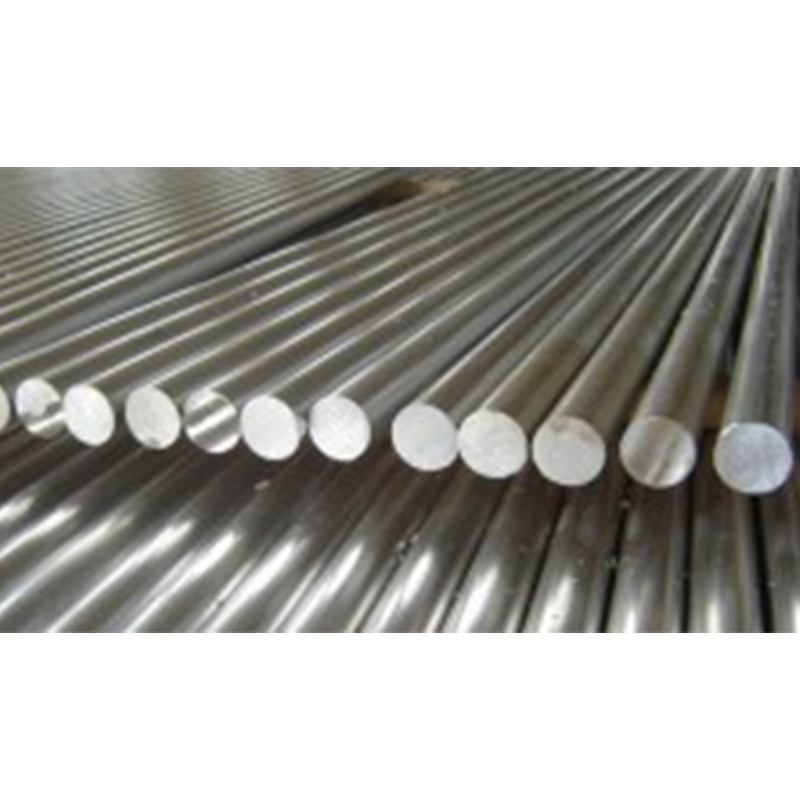

The Bottom Line: Which Should You Choose? Choose Monel when your environment involves seawater, hydrofluoric acid, or highly reducing conditions. Choose stainless steel when oxidizing environments, ...
READ MORENews
Home / News / Industry News / Monel Alloys vs. Stainless Steel: Performance Comparison and Material Selection Guide

Monel Alloys vs. Stainless Steel: Performance Comparison and Material Selection Guide
Date:Jun 02, 2026
The Bottom Line: Which Should You Choose?
Choose Monel when your environment involves seawater, hydrofluoric acid, or highly reducing conditions. Choose stainless steel when oxidizing environments, moderate corrosion resistance, and tighter budgets are your primary drivers.
In direct comparative testing, Monel 400 demonstrates corrosion rates below 0.025 mm/year in flowing seawater, while standard 316L stainless steel can reach 0.1–0.5 mm/year under the same conditions, especially in stagnant zones prone to crevice attack. However, 316L stainless costs approximately 3–4× less per kilogram than Monel 400, making it the default choice where its corrosion performance is sufficient.
This guide breaks down every key performance dimension — corrosion resistance, mechanical properties, fabricability, cost, and application fit — so you can make a defensible, data-backed material selection decision.
What Is Monel Metal? A Brief Overview
Monel metal is a family of nickel-copper alloys renowned for outstanding resistance to corrosion in marine, chemical, and high-temperature environments. The name "Monel" was trademarked by the International Nickel Company (INCO) in 1906, named after the company's then-president Ambrose Monell. Today, equivalent alloys are produced by multiple manufacturers under both the Monel brand and generic UNS designations.
What is monel metal at its core? It is predominantly a binary nickel-copper system — typically 63–70% nickel and 20–29% copper — with small additions of iron, manganese, carbon, and silicon that fine-tune mechanical and corrosion properties. Unlike stainless steel, monel does not rely on a chromium oxide passive film. Instead, its corrosion resistance stems from the inherent nobility of nickel and the synergy with copper, both of which sit favorably in the electrochemical series.
The most widely used grade is Monel 400 (UNS N04400), but the family also includes Monel K-500, Monel R-405, and Monel 401. Each grade is engineered for a specific performance niche.
The Monel Family: Key Grades at a Glance
| Grade | UNS No. | Key Feature | Typical Use |
|---|---|---|---|
| Monel 400 | N04400 | Baseline corrosion resistance | Marine fittings, chemical processing |
| Monel K-500 | N05500 | Age-hardenable (3× stronger) | Pump shafts, fasteners, springs |
| Monel R-405 | N04405 | Free-machining (sulfur addition) | Screw machine products, valves |
| Monel 401 | N04401 | Low electrical resistivity | Electrical components |
Monel 400 Chemical Composition and Material Properties
Understanding monel 400 chemical composition is essential to predicting how the material behaves in service. The composition is tightly controlled to ASTM B127 (plate/sheet), ASTM B165 (seamless tube), and ASTM B164 (rod and bar) standards.
Monel 400 Chemical Composition (ASTM B164)
| Element | Min (%) | Max (%) | Role |
|---|---|---|---|
| Nickel (Ni) | 63.0 | — | Primary corrosion resistance; base metal |
| Copper (Cu) | 28.0 | 34.0 | Resistance to hydrofluoric acid & seawater |
| Iron (Fe) | — | 2.5 | Solid solution strengthening |
| Manganese (Mn) | — | 2.0 | Deoxidizer; hot workability |
| Carbon (C) | — | 0.3 | Carbide formation control |
| Silicon (Si) | — | 0.5 | Deoxidizer |
| Sulfur (S) | — | 0.024 | Controlled; higher in R-405 for machinability |
The monel material composition is a single-phase face-centered cubic (FCC) austenitic structure with no phase transformation over its full service temperature range from cryogenic conditions to approximately 480°C (900°F) for continuous service. This structural stability is a critical advantage over ferritic or martensitic stainless grades, which can undergo phase changes that degrade toughness.
Monel 400 Mechanical Properties (Annealed Condition)
- Tensile Strength: 550–620 MPa (80–90 ksi)
- Yield Strength (0.2% offset): 240–310 MPa (35–45 ksi)
- Elongation: 35–45%
- Hardness: 65–85 HRB
- Density: 8.80 g/cm³
- Melting Range: 1300–1350°C (2370–2460°F)
- Modulus of Elasticity: 179 GPa (26 × 10⁶ psi)
Is Monel a Steel? Clearing Up a Common Misconception
Many engineers and procurement professionals ask: is monel steel? The answer is unambiguously no. Monel is a nickel-copper alloy, not a steel. Steel, by definition, is an iron-carbon alloy. Monel contains virtually no iron as a primary constituent and has no carbon beyond a 0.3% maximum trace.
The term "monel steel" sometimes appears in informal industrial contexts as a colloquial shorthand, but it is technically incorrect and can lead to specification errors. When ordering material, always specify by the correct designation: Monel 400, UNS N04400, or the equivalent ASTM grade.
Similarly, monel metal should not be confused with nickel steel alloys (which are iron-based alloys with nickel additions) or with cupronickel (which is copper-based with nickel additions). Despite superficial similarities, these are distinct material systems with fundamentally different phase diagrams, corrosion behaviors, and mechanical property profiles.
Corrosion Resistance: Where Monel Outperforms and Where It Doesn't
Corrosion resistance is the principal reason engineers reach for monel vs stainless steel in demanding applications. The two materials rely on fundamentally different protective mechanisms, which explains their divergent performance profiles across environments.
Stainless steel relies on a chromium oxide (Cr₂O₃) passive film that forms spontaneously in oxidizing environments. This film is self-healing in the presence of oxygen but is unstable under reducing conditions or in the presence of halide ions (especially Cl⁻), which can cause pitting and crevice corrosion.
Monel alloy 400 derives its corrosion resistance from the inherent electrochemical stability of the nickel-copper matrix. It does not require oxygen to maintain its protective state, making it well-suited to reducing environments, low-pH conditions, and high-chloride media.
Corrosion Performance by Environment
| Environment | Monel 400 | 316L Stainless | 304 Stainless |
|---|---|---|---|
| Seawater (flowing) | Excellent | Good | Fair |
| Seawater (stagnant/crevice) | Excellent | Poor | Poor |
| Hydrofluoric acid (all conc.) | Excellent | Not recommended | Not recommended |
| Sulfuric acid (dilute, deaerated) | Good | Fair | Poor |
| Nitric acid (oxidizing) | Not recommended | Excellent | Excellent |
| Phosphoric acid (<85%) | Good | Good | Fair |
| Alkaline solutions (NaOH) | Excellent | Good | Good |
| Atmospheric (industrial) | Excellent | Excellent | Good |
| Steam (up to 480°C) | Excellent | Good | Good |
Key Corrosion Vulnerabilities to Know
Despite its overall strength, monel alloy 400 has two well-documented vulnerabilities:
- Oxidizing acids: Monel corrodes rapidly in nitric acid and other strongly oxidizing media. In 10% HNO₃ at room temperature, corrosion rates can exceed 2,500 mpy (63.5 mm/year) — essentially unsuitable.
- Stress corrosion cracking (SCC) in moist HF vapor: When stressed components are exposed to moist, aerated HF vapor — particularly at elevated temperatures — Monel 400 can suffer SCC. This is a niche failure mode but critical in fluorination plant design.
- Stainless steel's chloride SCC: Conversely, austenitic stainless grades (304, 316) are highly susceptible to chloride-induced SCC above 60°C, a condition where Monel 400 remains unaffected.
Mechanical Properties: Head-to-Head Comparison
From a purely structural standpoint, the monel material and standard austenitic stainless grades are reasonably competitive in their annealed states. However, important differences emerge in cold-worked or aged conditions, and particularly at elevated temperatures.
| Property | Monel 400 (Annealed) | Monel K-500 (Aged) | 316L SS (Annealed) | Duplex 2205 SS |
|---|---|---|---|---|
| Tensile Strength (MPa) | 550–620 | 895–1100 | 515–620 | 620–820 |
| Yield Strength (MPa) | 240–310 | 690–760 | 205–310 | 448–550 |
| Elongation (%) | 35–45 | 20–30 | 40–50 | 25–35 |
| Density (g/cm³) | 8.80 | 8.44 | 8.00 | 7.80 |
| Hardness (HRB) | 65–85 | 92–98 | 70–80 | 96–100 |
| Max. Service Temp (°C) | 480 | 480 | 870 | 300 |
A critical distinction: Monel 400 cannot be hardened by heat treatment. Strengthening is only achievable through cold working, which can raise yield strength to around 550–600 MPa. By contrast, Monel K-500 — which adds approximately 2.3% aluminum and 0.6% titanium to the base Monel composition — can be age-hardened at 595°C to achieve yield strengths over 690 MPa, making it competitive with duplex stainless and some titanium alloys in corrosive-load-bearing applications.
Available Product Forms: Monel 400 Wire, Bar, Tube, and Sheet
Both monel and stainless steel are available in a comprehensive range of mill product forms, though availability and lead times differ significantly.
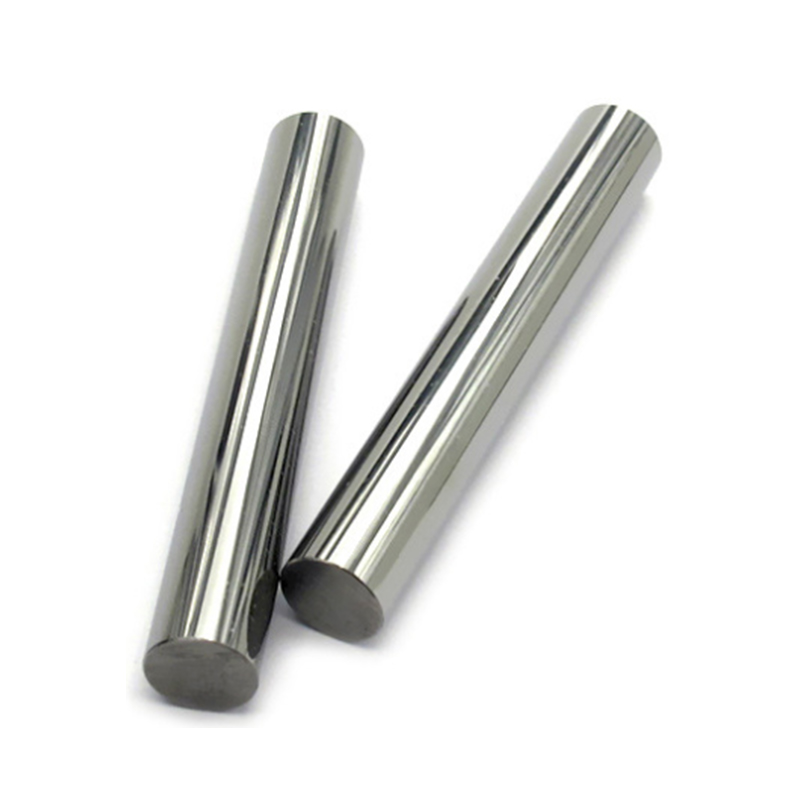
Monel 400 wire is one of the most demanded product forms, widely used for springs, fasteners, mesh filters, and weld filler wire. Monel 400 wire complies with ASTM B164 (rod) and AWS A5.14 (ERNiCu-7) for welding applications. Available diameters range from 0.05 mm (50 µm) for fine wire applications to 12.7 mm (0.5 in) for heavy rod applications.
Standard Product Forms and Governing ASTM Standards
| Product Form | Monel 400 Standard | 316L SS Equivalent |
|---|---|---|
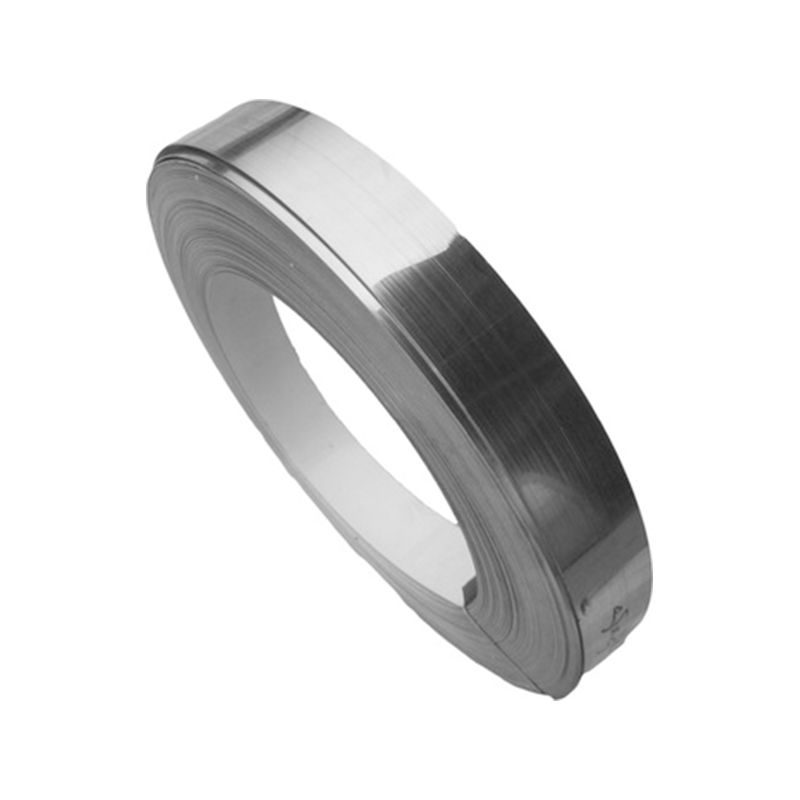
| Plate / Sheet / Strip | ASTM B127 | ASTM A240 |
| Rod and Bar | ASTM B164 | ASTM A276 |
| Seamless Pipe / Tube | ASTM B165 | ASTM A312 |
| Wire | ASTM B164 / AWS A5.14 | ASTM A580 / AWS A5.9 |
| Forgings | ASTM B564 | ASTM A182 |
| Welded Pipe | ASTM B725 | ASTM A358 |
One practical consideration: stainless steel enjoys significantly broader commodity availability. In most industrial regions, 316L plate, pipe, and bar are stocked ex-warehouse in weeks. Monel 400 products — especially monel 400 wire in specialty diameters and monel 400 material in heavy plate — typically require 8–16 week lead times from specialty alloy distributors, which must be factored into project scheduling.
Fabrication, Welding, and Machinability
The monel material composition — high nickel, high copper, work-hardening FCC structure — creates specific fabrication challenges that differ from stainless steel. Understanding these upfront prevents costly rework.
Machining
Monel work-hardens rapidly during cutting operations. Compared to free-machining steels (rated 100%), Monel 400 machines at approximately 20–30% of the reference rate. Effective machining requires:
- Sharp, positive-rake carbide or cermet tooling
- Heavy, consistent feeds to avoid rubbing (which accelerates work hardening)
- Generous flood coolant to manage heat
- Cutting speeds of 15–30 m/min for roughing, 30–60 m/min for finishing with carbide inserts
For high-volume screw machine work, Monel R-405 (with its elevated sulfur content of 0.025–0.060%) is specified instead of standard Monel 400. The sulfur promotes chip breakage and improves surface finish, at a marginal cost to corrosion performance in benign environments.
316L stainless presents similar work-hardening challenges, though slightly less severe. Machinability ratings for 316L are typically 35–50% of free-machining steel. In practice, tooling costs and cycle times for monel components run 20–40% higher than equivalent stainless components.
Welding
Monel 400 is readily weldable by GTAW (TIG), GMAW (MIG), SMAW, and PAW processes. The recommended filler is ERNiCu-7 (Monel Filler Metal 60) for TIG/MIG, or ENiCu-7 for stick welding. Key welding precautions include:
- Avoid sulfur- and lead-contaminated environments during welding — these elements cause severe hot cracking in the nickel-copper weld pool
- Interpass temperature should not exceed 150°C (300°F)
- Post-weld stress relief is not typically required for corrosion service, but is recommended before HF exposure to reduce SCC risk
- Dissimilar-metal welds to stainless are possible using ENiCu-7 or Inconel 82/182 filler to bridge the galvanic potential difference
Cost Comparison: Monel vs Stainless Steel Over a Project Lifecycle
Raw material cost is the first — and often most dominant — differentiator in the monel vs stainless decision. The economics are clear at the outset but become more nuanced when lifecycle costs are considered.
Indicative 2024 Material Prices (Mill, USD/kg)
| Material | Price Range (USD/kg) | Price Index (vs 304 SS) |
|---|---|---|
| 304 Stainless Steel | 2.50–3.50 | 1.0× |
| 316L Stainless Steel | 3.20–4.50 | 1.3× |
| Duplex 2205 Stainless | 5.00–7.00 | 2.0× |
| Monel 400 | 12.00–18.00 | 4.5–6× |
| Monel K-500 | 20.00–28.00 | 7–9× |
At 5–6× the raw material cost of 316L stainless, monel 400 material cannot be justified on cost alone. The justification must come from one of the following:
- Failure cost avoidance: A stainless heat exchanger bundle in a refinery desalter corroding out every 18 months can cost $200,000–$500,000 per replacement (including downtime). A Monel bundle lasting 15–20 years justifies a 5× material premium instantly.
- Contamination risk: In pharmaceutical or food processing contexts, monel metal's absence of iron-oxide corrosion products is a product quality requirement, not a preference.
- No viable alternative: In concentrated HF service, monel alloy 400 is one of the few metallic materials compatible at all temperatures. The cost premium is irrelevant when no alternative exists.
Application-Based Selection Guide: When to Use Monel vs. Stainless Steel
Rather than abstracting the monel vs stainless comparison to a single winner, experienced materials engineers use application context as the primary selector. The following framework applies to the most common industrial scenarios.
Use Monel Alloy 400 When:
- Marine and offshore: Seawater piping, heat exchanger tubes, valve bodies, pump housings operating in seawater or brackish water. Monel 400 is specified in NORSOK M-630 and numerous offshore design standards as the preferred alloy for seawater service below 60°C.
- HF alkylation units (oil refining): Virtually every major HF alkylation unit in the world uses Monel 400 for vessels, piping, and instrumentation handling anhydrous or aqueous HF. No commercially practical stainless grade can substitute here.
- Chlorinated solvent handling: When chlorinated solvents (methylene chloride, TCE, chloroform) are processed at elevated temperatures where stainless is susceptible to SCC, Monel 400 provides a proven alternative.
- Reducing acid service: Dilute sulfuric acid, organic acids, and mixed acid streams in reducing conditions favor monel over stainless steel grades that require oxygen to maintain passivity.
- Cryogenic applications: Monel's FCC structure retains excellent toughness down to –196°C, making it suitable for LNG equipment and cryogenic valves where some stainless grades require testing to verify adequate impact toughness.
Use Stainless Steel When:
- Oxidizing acid service: Nitric acid, chromic acid, and other strongly oxidizing media. 316L or high-molybdenum grades (317L, 904L) perform far better than monel metal here.
- High-temperature service (>480°C): Austenitic stainless grades (310S, 321, 347) maintain useful strength and oxidation resistance well above 600°C — a range where Monel 400 is not recommended for structural use.
- Budget-constrained general corrosion service: Where 316L passes corrosion compatibility checks and chloride SCC is not a risk factor, stainless is almost always the correct economic choice at 15–25% of the monel cost.
- Food, dairy, and beverage processing: 316L stainless is the industry standard, supported by decades of FDA/EU regulatory acceptance and broad supplier infrastructure. While monel is not harmful, there is no regulatory or performance advantage to justify the premium.
- Architectural and structural applications: The broad availability, weldability, and aesthetics of stainless make it the default choice for structural, cladding, and aesthetic applications where monel offers no performance advantage.
Decision Flowchart Summary
- Does the environment contain HF? → If yes: specify Monel 400 or Monel K-500.
- Is the medium strongly oxidizing (nitric acid, chromates)? → If yes: stainless steel is the correct choice; Monel is not suitable.
- Is chloride SCC a risk? (T > 60°C, Cl⁻ > 200 ppm, stressed components)? → If yes: consider Monel 400, duplex stainless, or Alloy 825.
- Is the application marine/seawater immersion? → If yes: Monel 400 is preferred for long-term service; 316L is acceptable for short-term or coated applications.
- Is budget the primary constraint, and does 316L pass corrosion compatibility? → If yes: use 316L stainless steel.
Industry Standards, Codes, and Specifications
Both monel alloy 400 and stainless steel grades are governed by extensive ASTM, ASME, and international standards. Selecting the correct specification is as important as selecting the correct alloy, particularly in pressure vessel and piping design covered by ASME Section VIII and B31.3.
Key Codes Where Monel 400 Is Listed
- ASME Section VIII Div. 1: Monel 400 plate (SB-127), pipe (SB-165), and fittings are listed with allowable stresses up to 480°C.
- ASME B31.3 (Process Piping): Monel 400 pipe is listed as a pressure-rated material for process service.
- NORSOK M-630: Lists Monel 400 as a preferred material for seawater service in offshore petroleum installations.
- API 6A / 17D: Monel K-500 is listed for subsea wellhead components requiring corrosion resistance combined with high strength.
- MIL-N-894: US military specification for monel bars, forgings, and extrusions for naval and defense applications.
Note that while monel is broadly approved in these standards, design engineers must verify the specific allowable stress values at their operating temperature, as monel's elevated-temperature strength drops more steeply than some austenitic stainless grades above 300°C.
Final Comparison Summary
The following table consolidates the key decision-making dimensions for monel alloy vs stainless steel across the most relevant engineering criteria.
| Criterion | Monel 400 | 316L Stainless | Advantage |
|---|---|---|---|
| Seawater corrosion | Excellent | Good (poor in stagnant) | Monel |
| HF acid resistance | Excellent | Not recommended | Monel |
| Oxidizing acid resistance | Poor | Excellent | Stainless |
| Chloride SCC resistance | Excellent (immune) | Susceptible (>60°C) | Monel |
| High temperature (>480°C) | Not recommended | Good (up to 870°C) | Stainless |
| Cryogenic toughness | Excellent (to –196°C) | Good (grade dependent) | Monel |
| Tensile strength (annealed) | 550–620 MPa | 515–620 MPa | Comparable |
| Material cost (mill) | ~$12–18/kg | ~$3.20–4.50/kg | Stainless |
| Supply availability | Specialty (8–16 wk lead) | Commodity (ex-stock) | Stainless |
| Machinability | ~20–30% (difficult) | ~35–50% (moderate) | Stainless |
| Weldability | Good (specialist filler) | Excellent | Stainless |
| Magnetic properties | Slightly ferromagnetic | Non-magnetic (austenitic) | Application-dependent |
Conclusion: A Performance-First, Cost-Aware Selection Framework
The monel vs stainless steel decision ultimately reduces to a clear framework: stainless steel is the cost-effective default; Monel alloy 400 is the performance-driven exception. For the large majority of corrosion-resistant applications — food processing, general chemical service, atmospheric exposure, water handling — 316L stainless provides adequate performance at a fraction of the cost.
Monel 400 material earns its premium in a specific, well-defined set of conditions: hydrofluoric acid service, seawater immersion with crevice susceptibility, chloride SCC environments above 60°C, and reducing acid conditions where the stainless passive film fails. In these scenarios, the monel material's performance advantage is not marginal — it is decisive, and the cost premium is not only justified but typically recouped rapidly through extended service life.
For engineers specifying monel alloy 400 for the first time: confirm your application against the Monel material composition's known vulnerability to oxidizing environments, plan for extended lead times on monel 400 wire and plate, use specialist machinists familiar with nickel-copper alloy work-hardening, and specify ERNiCu-7 weld filler with appropriate contamination controls.
The goal of material selection is not to use the best material — it is to use the right material for the service environment at the lowest acceptable lifecycle cost. Understood in that context, both monel metal and stainless steel are indispensable tools in the modern engineer's materials portfolio.
Recommended Articles
Content
- 1 The Bottom Line: Which Should You Choose?
- 2 What Is Monel Metal? A Brief Overview
- 3 Monel 400 Chemical Composition and Material Properties
- 4 Is Monel a Steel? Clearing Up a Common Misconception
- 5 Corrosion Resistance: Where Monel Outperforms and Where It Doesn't
- 6 Mechanical Properties: Head-to-Head Comparison
- 7 Available Product Forms: Monel 400 Wire, Bar, Tube, and Sheet
- 8 Fabrication, Welding, and Machinability
- 9 Cost Comparison: Monel vs Stainless Steel Over a Project Lifecycle
- 10 Application-Based Selection Guide: When to Use Monel vs. Stainless Steel
- 11 Industry Standards, Codes, and Specifications
- 12 Final Comparison Summary
- 13 Conclusion: A Performance-First, Cost-Aware Selection Framework
News
-
-
The gauge and insulation material of thermocouple wire directly determine its response speed, temperature range, accuracy, mechanical durability, and service life. Thinner wire responds faster but we...
READ MORE -
To properly install and connect thermocouple wire and avoid measurement errors, you must match the wire type to the application, maintain polarity, minimize extension wire length, use the correct con...
READ MORE
Copyright © Danyang Haiwei Electrothermal Alloy Co., Ltd. All Rights Reserved
 OEM/ODM Nickel Based High-Temperature Alloy Manufacturers