

 English
 русский
 Español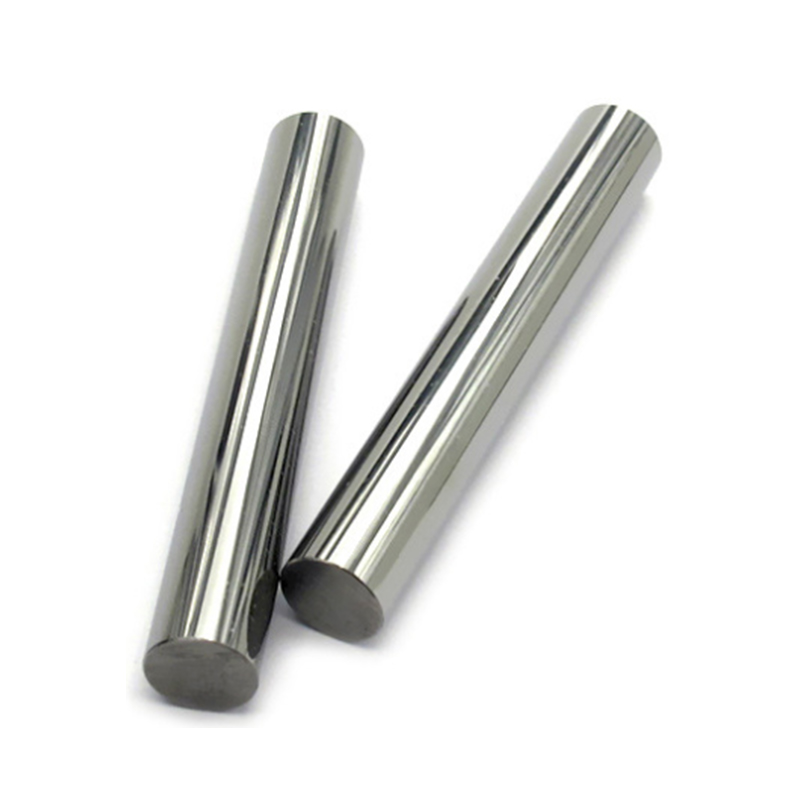

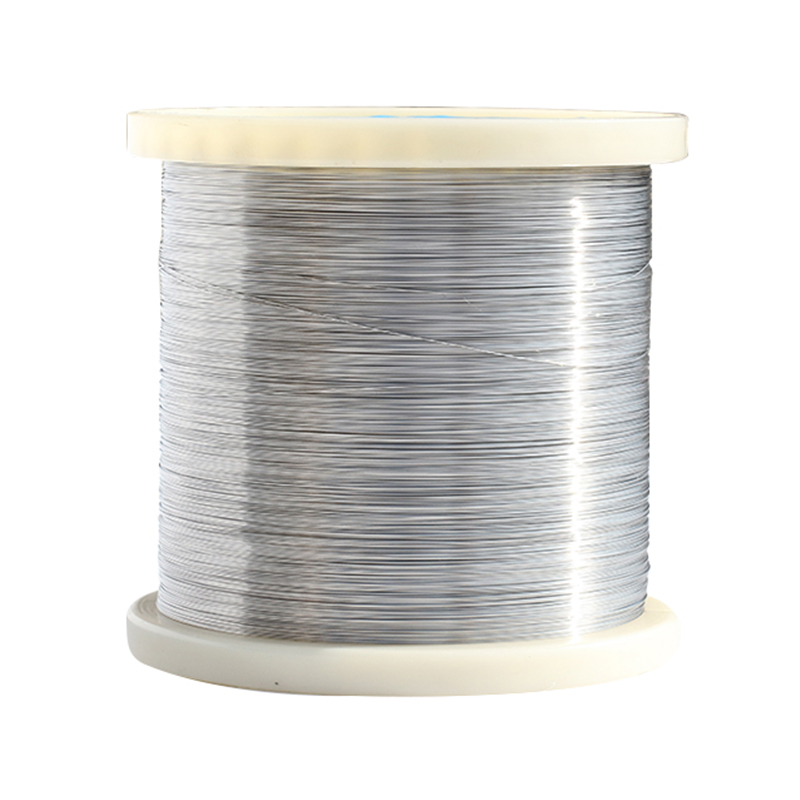
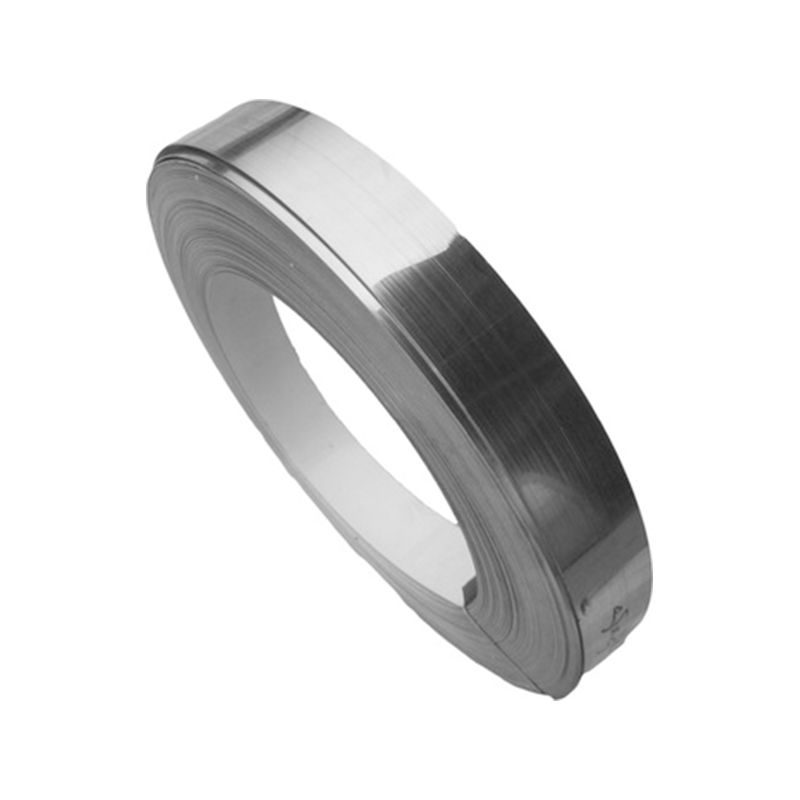
What Is Monel Metal? The Direct Answer Monel metal is a group of nickel-copper alloys containing approximately 63–70% nickel and 27–34% copper, with minor additions of iron, manganese, carbon, and si...
READ MORENews
Home / News / Industry News / What Is the Composition of Monel Metal, and Why Does It Make This Alloy So Exceptionally Corrosion-Resistant?

What Is the Composition of Monel Metal, and Why Does It Make This Alloy So Exceptionally Corrosion-Resistant?
Date:Jun 08, 2026
What Is Monel Metal? The Direct Answer
Monel metal is a group of nickel-copper alloys containing approximately 63–70% nickel and 27–34% copper, with minor additions of iron, manganese, carbon, and silicon. It is one of the most corrosion-resistant engineering alloys commercially available, capable of withstanding seawater, hydrofluoric acid, sulfuric acid, and many aggressive alkaline environments where stainless steel would fail within days or weeks.
The term monel metal — sometimes spelled montel metal in colloquial usage — refers broadly to this nickel-copper family. The most widely used grade is Monel 400, which serves as the industry benchmark for corrosion resistance in marine, chemical processing, and aerospace applications. Understanding what is Monel 400 and what is monel in general is the foundation for selecting the right material in demanding engineering projects.
Monel was first developed by the International Nickel Company (INCO) in the early 1900s, named after company president Ambrose Monell. The alloy was derived from naturally occurring ore found in Sudbury, Ontario, Canada, whose mineral composition closely matched the final alloy. Since then, monel metal alloy has become a cornerstone material across the chemical, marine, oil and gas, and defense industries.
Composition of Monel Metal: Exact Element Breakdown
The composition of monel metal is the key to its exceptional performance. The specific elemental makeup determines not just corrosion resistance but also mechanical strength, weldability, and thermal stability. Below is a detailed breakdown of the composition of monel for the most common grades.
Monel 400 — The Standard Grade
Monel 400 is the most commonly specified grade. Its nominal composition is tightly controlled to ensure consistent corrosion performance:
| Element | Minimum (%) | Maximum (%) | Typical (%) | Primary Role |
|---|---|---|---|---|
| Nickel (Ni) | 63.0 | 70.0 | 66.5 | Corrosion resistance, base matrix |
| Copper (Cu) | 27.0 | 34.0 | 31.5 | Acid resistance, thermal conductivity |
| Iron (Fe) | — | 2.5 | 1.35 | Strengthening, grain refinement |
| Manganese (Mn) | — | 2.0 | 1.00 | Deoxidation, hot workability |
| Silicon (Si) | — | 0.5 | 0.20 | Deoxidation during melting |
| Carbon (C) | — | 0.3 | 0.15 | Hardness, minor strengthening |
| Sulfur (S) | — | 0.024 | 0.012 | Controlled impurity |
Other Common Monel Grades and Their Compositions
Beyond Monel 400, the monel metal alloy family includes several specialized grades engineered for specific mechanical or environmental demands:
| Grade | Ni (%) | Cu (%) | Key Additions | Primary Advantage |
|---|---|---|---|---|
| Monel 400 | 63–70 | 27–34 | Fe, Mn | General corrosion resistance |
| Monel K-500 | 63–70 | 27–33 | Al 2.3–3.15%, Ti 0.35–0.85% | Age-hardenable, 3× stronger than 400 |
| Monel R-405 | 63–70 | 27–34 | S 0.025–0.060% | Free machining (screw-stock grade) |
| Monel 401 | 40–45 | Balance | Low Mn | Electronics, glass-sealing applications |
| Monel 404 | 52–57 | Balance | Very low Fe & Mn | Magnetic permeability control |
Why the Nickel-Copper Ratio Is the Core of Corrosion Resistance
The extraordinary corrosion resistance of monel metal is not a simple additive effect — it arises from specific electrochemical and thermodynamic interactions between nickel and copper at the atomic level. Here is precisely why this combination works so well:
Passive Oxide Film Formation
When monel metal alloy is exposed to an oxidizing environment, nickel forms a dense, tightly adherent nickel oxide (NiO) passive film on its surface within milliseconds. This film — typically 1 to 4 nanometers thick — acts as a physical barrier between the alloy's bulk and the corrosive medium. Unlike the iron oxide that forms on steel (which is porous and flakes off), the NiO film on monel is self-healing: if scratched or abraded, it reforms spontaneously in the presence of oxygen.
Copper contributes by stabilizing this oxide layer in reducing acid environments where a pure nickel film would dissolve. The Cu²⁺ ions in solution can redeposit on the surface via a cementation reaction, reinforcing barrier integrity where oxidation alone cannot sustain it.
High Electrode Potential and Noble Character
Both nickel (+0.25 V standard electrode potential vs SHE) and copper (+0.34 V) are electrochemically noble metals, meaning they sit high on the galvanic series and resist dissolving in ionic solution. This is in stark contrast to iron (−0.44 V) or zinc (−0.76 V), which are anodic and corrode preferentially. Because monel is composed almost entirely of noble elements, it has very low thermodynamic driving force for corrosion — the alloy simply does not "want" to oxidize.
Synergistic Effect at the 2:1 Nickel-to-Copper Ratio
Research has shown that the roughly 2:1 nickel-to-copper ratio in Monel 400 produces corrosion resistance superior to either pure nickel or pure copper alone in many environments. This synergy is most evident in hydrofluoric acid (HF), where Monel 400 shows a corrosion rate of less than 0.025 mm/year at concentrations up to 48% — a performance level unreachable by copper or nickel individually. The solid-solution mixing of these two FCC (face-centered cubic) metals creates a homogeneous single-phase microstructure with no second-phase precipitates that could act as preferential corrosion sites.
Role of Minor Alloying Elements
The trace elements in the composition of monel are not filler — each serves a specific metallurgical function:
- Iron (up to 2.5%): Refines the grain structure, improving strength and toughness without sacrificing corrosion resistance. Iron content above 2.5% is avoided because it can create Fe-rich phases that act as anodic sites.
- Manganese (up to 2.0%): Prevents sulfur embrittlement during hot working by forming MnS inclusions instead of Ni₃S₂, which would otherwise embrittle grain boundaries. It also scavenges oxygen during melting.
- Carbon (up to 0.3%): Provides solid-solution hardening. In Monel K-500, higher carbon content combined with aluminum enables age hardening to tensile strengths exceeding 1,000 MPa.
- Silicon (up to 0.5%): Acts as a deoxidizer during melting and slightly improves resistance to high-temperature oxidation above 500°C.
Mechanical Properties of Monel 400 at a Glance
Understanding what is monel 400 requires more than knowing its chemistry. Its mechanical properties are equally impressive and explain why it is selected in safety-critical applications:
| Property | Annealed Condition | Cold Worked | Monel K-500 (aged) |
|---|---|---|---|
| Tensile Strength | 517–620 MPa | Up to 827 MPa | 930–1,100 MPa |
| Yield Strength (0.2%) | 172–345 MPa | Up to 690 MPa | 620–760 MPa |
| Elongation | 35–50% | 10–25% | 20–30% |
| Hardness (Brinell) | 110–150 HB | Up to 250 HB | 250–290 HB |
| Melting Range | 1,300–1,350 °C | ||
| Density | 8.83 g/cm³ | ||
These properties make monel metal alloy one of the few engineering materials that combines high mechanical strength with outstanding corrosion resistance across a temperature range from cryogenic (−196°C) to elevated service (480°C continuous; 650°C short term).
Monel Forging: Shaping the Alloy for Demanding Applications
Monel forging is the process of working monel metal alloy under compressive force — either hot (above the recrystallization temperature of ~870°C) or cold — to produce near-net-shape components with superior grain structure compared to casting. Forged monel components exhibit finer, more uniform grain size and significantly better mechanical properties than cast equivalents.
Hot Forging Parameters for Monel 400
Monel forging requires careful process control due to the alloy's tendency to work-harden rapidly:
- Forging temperature range: 870–1,175°C. Starting above 1,175°C risks incipient melting at grain boundaries; finishing below 870°C leads to excessive work hardening and cracking.
- Press force requirements: Monel requires approximately 30–50% higher forging pressures than carbon steel at equivalent temperatures due to its higher flow stress.
- Reheat cycles: For complex forgings, intermediate reheating at 1,040–1,100°C is recommended after 30–40% reduction to restore ductility before further working.
- Annealing after forging: Final annealing at 870°C followed by water quenching restores corrosion resistance and eliminates residual stress from the monel forging process.
- Tooling: Hot-work tool steels (H13) and molybdenum disulfide-based lubricants are standard. Die preheating to 150–260°C reduces thermal shock and die wear.
Common Monel Forging Products
The monel forging process is used to manufacture components where integrity cannot be compromised:
- Valve bodies and pump impellers for seawater service
- Flanges and fittings for hydrofluoric acid alkylation units
- Propeller shafts and marine hardware
- Aircraft engine components and fuel system parts
- Subsea wellhead components in oil and gas production
- Nuclear reactor components and radioactive waste handling equipment
The combination of directional grain flow from monel forging and the inherent corrosion resistance of the monel metal alloy makes forged components the preferred choice over castings or machined bar stock for safety-critical applications.
Monel 400 Springs: Engineering Elastic Performance in Corrosive Media
Monel 400 springs represent one of the most demanding applications of this alloy because springs must simultaneously maintain precise elastic properties, resist fatigue, and operate in aggressive chemical or marine environments — often for years without maintenance access. Standard spring materials like music wire, stainless steel 302, or phosphor bronze fail prematurely in these conditions due to corrosion-fatigue or stress corrosion cracking.
Why Monel 400 Springs Outperform Alternatives
The suitability of monel metal for spring applications comes from several converging properties:
- Resistance to stress corrosion cracking (SCC): Unlike austenitic stainless steels (which are SCC-susceptible in chloride environments above about 60°C), Monel 400 is highly resistant to chloride-induced SCC. This is critical for springs in seawater desalination plants, marine valve actuators, and offshore equipment.
- Corrosion fatigue strength: Monel 400 wire in cold-drawn condition achieves an endurance limit of approximately 240–310 MPa under reversed bending in seawater — significantly higher than that of comparable stainless steel springs in the same environment.
- Wide operating temperature range: Monel 400 springs maintain their elastic modulus (179 GPa at room temperature) from cryogenic temperatures up to approximately 260°C for continuous spring service, making them useful in both cryogenic LNG applications and moderately elevated temperature service.
- Non-magnetic properties: Monel 400 is essentially non-magnetic (relative permeability ≈1.001 in annealed condition), making Monel 400 springs essential in magnetic-sensitive equipment such as flow meters, instrumentation, and certain defense electronics.
Types and Specifications of Monel 400 Springs
Monel 400 springs are manufactured in a variety of configurations for specialized applications:
- Compression springs: Used in subsea valve actuators, chemical dosing pumps, and safety relief valves exposed to corrosive process fluids.
- Extension springs: Found in marine anchoring and mooring equipment where constant seawater exposure makes carbon steel impractical.
- Torsion springs: Applied in metering and instrumentation systems handling hydrofluoric acid or chlorine gas streams.
- Wave springs and Belleville washers: Used in compact valve assemblies requiring controlled axial load in corrosive piping systems.
Wire for Monel 400 springs is supplied per ASTM B164 in drawn tempers. For the highest fatigue life, wire is drawn to a tensile strength of 1,240–1,380 MPa (depending on wire diameter) and stress-relieved at 300–315°C for 1 hour after coiling. Shot peening the finished Monel 400 springs can further improve fatigue life by inducing compressive residual stresses at the wire surface, where fatigue cracks initiate.
Corrosion Performance Data: Where Monel Excels and Where It Has Limits
Understanding what is monel in practice means knowing precisely which environments it handles and which it does not. Below is a structured overview of corrosion performance in key environments:
| Corrosive Environment | Condition | Corrosion Rate (Monel 400) | Performance Rating |
|---|---|---|---|
| Seawater (flowing) | Ambient temperature | <0.025 mm/year | Excellent |
| Hydrofluoric acid (HF) | Up to 48%, ambient | <0.025 mm/year | Outstanding |
| Sulfuric acid (H₂SO₄) | Dilute, deaerated | 0.1–0.5 mm/year | Good |
| Hydrochloric acid (HCl) | Dilute, deaerated | 0.25–1.0 mm/year | Acceptable |
| Sodium hydroxide (NaOH) | Up to 73%, <100°C | <0.025 mm/year | Excellent |
| Nitric acid (HNO₃) | All concentrations | High — not recommended | Poor |
| Moist chlorine gas | Ambient temperature | Rapid attack — not recommended | Poor |
| Atmospheric exposure | Marine industrial | <0.005 mm/year | Outstanding |
The two major limitations of monel metal are its susceptibility to moist chlorine gas and strongly oxidizing acids (nitric acid, chromic acid). In these environments, the passive oxide film is destabilized — by the strong oxidizing power of HNO₃ or by the direct chemical attack of free chlorine — and the alloy corrodes rapidly. For these applications, higher-alloy nickel-based materials such as Hastelloy C-276 or titanium are specified instead.
Key Industries and Real-World Applications of Montel Metal
The term montel metal occasionally appears in industry purchasing documents as an alternative spelling of monel metal. Regardless of spelling variation, the material's applications span multiple critical sectors where performance cannot be compromised:
Marine and Offshore Engineering
Monel 400 has been the gold standard for seawater service since the 1920s. Its combination of negligible corrosion rate in seawater and high mechanical strength makes it the material of choice for:
- Propeller shafts and marine fasteners — monel's resistance to biofouling corrosion extends service life by 5–10 times compared to bronze
- Seawater piping systems, heat exchanger tubes, and pump casings on naval vessels and LNG carriers
- Underwater mooring hardware, anchor chains, and cable sheathing in offshore oil platforms
- Submarine periscope housings and sonar dome components (where non-magnetic properties are also critical)
Chemical Processing
The chemical industry relies on monel metal alloy in processes where aggressive media would destroy less resistant materials within months:
- HF alkylation units in petroleum refineries — monel is effectively the only commercially practical metal for HF service at above ambient temperatures
- Fluorine and fluoride salt handling equipment for nuclear fuel processing
- Chlorinated solvent processing vessels and heat exchangers
- Caustic soda evaporators and storage tanks for NaOH concentrations up to 73%
Aerospace and Defense
Monel forging and precision machining are used extensively in aerospace for:
- Fuel system components in aircraft engines — monel is resistant to the kerosene-water mixtures and organic acids that form in Jet-A fuel at altitude
- Rocket engine throat inserts and combustion chamber components for liquid-fueled rockets using corrosive propellants
- Instrument housings in aircraft and missiles that require both corrosion resistance and non-magnetic properties
Oil and Gas Production
Subsurface and topside equipment in sour gas and deepwater environments frequently specifies monel:
- Wellhead components and Christmas tree fittings in H₂S-containing sour gas wells (NACE MR0175/ISO 15156 compliant)
- Downhole safety valves and tubing hangers where combined mechanical load and H₂S exposure eliminates most other alloys
- Instrumentation and control line tubing for deepwater completion systems
Fabrication Considerations: Machining, Welding, and Forming Monel
Knowing the composition of monel metal is only the beginning — successful fabrication requires understanding the alloy's work-hardening behavior, weldability, and machining characteristics that arise directly from that composition.
Machining
Monel 400 (and montel metal as it is sometimes referred to in purchasing) is considered moderately difficult to machine due to its tendency to work-harden and its gummy chip formation. Key machining guidelines include:
- Cutting speed: Approximately 50–80% of the speed used for 304 stainless steel. For turning on a lathe, 30–60 m/min with carbide tooling is typical.
- Tool geometry: Sharp tools with positive rake angles (10–15°) minimize work hardening. Dull tools cause rapid surface hardening that makes subsequent passes much more difficult.
- Coolant: Heavy sulfurized or chlorinated cutting oils are preferred for turning and drilling. Flood cooling is essential to prevent thermal damage.
- Free-machining grade: For high-volume screw machining, Monel R-405 (with controlled sulfur addition of 0.025–0.060%) is specified instead of Monel 400 to improve chip breakage and extend tool life.
Welding
Monel 400 is readily weldable by most fusion processes. Filler metal ERNiCu-7 (Monel Filler Metal 60) is the standard choice for GTAW (TIG) and GMAW (MIG) welding. Critical welding considerations:
- Preheat is not required for base metal under 25mm thickness. Heavier sections may benefit from a 150°C preheat to minimize distortion.
- Post-weld annealing at 870–980°C is recommended for applications involving stress corrosion or elevated-temperature service.
- Sulfur contamination (from machining oils, lubricants, or marking pens) must be completely removed before welding — sulfur causes liquid-metal embrittlement in the heat-affected zone at welding temperatures.
- Monel R-405 should NOT be welded due to its elevated sulfur content, which causes hot cracking in the weld zone.
Cold Forming and Tube Bending
Monel 400 in annealed condition has excellent ductility (35–50% elongation) and can be cold formed by drawing, bending, and spinning. However:
- Springback is greater than for steel — forming tools must be designed to overbend by 5–15% depending on section thickness.
- Intermediate annealing at 870°C is required after 30–40% cold work to restore ductility for further forming operations.
- Stress relieving at 480–550°C (without full anneal) can reduce residual stresses in cold-formed Monel 400 springs and tube bends without significantly reducing strength.
Cost and Material Selection: When to Specify Monel Over Alternatives
Monel metal alloy carries a significant cost premium over stainless steel — typically 4–7 times the cost of 316L stainless steel on a per-kilogram basis, depending on form and market conditions. This premium is justified only when the operating environment genuinely demands it. Below is a structured comparison to guide material selection decisions:
| Criterion | Monel 400 | 316L Stainless Steel | Titanium Grade 2 | Hastelloy C-276 |
|---|---|---|---|---|
| Seawater corrosion | Excellent | Fair (pitting risk) | Excellent | Excellent |
| HF acid resistance | Outstanding | Poor | Poor | Good |
| Chloride SCC resistance | Excellent | Poor (>60°C) | Excellent | Excellent |
| Machinability | Moderate | Moderate | Moderate | Difficult |
| Relative material cost | 4–7× SS316L | 1× (baseline) | 4–6× SS316L | 8–12× SS316L |
| Non-magnetic | Yes | Mostly | Yes | Yes |
| Weldability | Good | Excellent | Good | Good |
The decision to specify monel metal should be driven by life-cycle cost analysis rather than initial material cost alone. In a seawater pump application, replacing a 316L stainless steel impeller every 18 months versus using a monel forging that lasts 15+ years typically results in total cost savings of 40–60% over a 20-year plant life when maintenance labor and downtime are included.
Standards, Specifications, and Procurement Guidance
When purchasing monel metal — whether as bar, plate, tube, wire for Monel 400 springs, or preforms for monel forging — specifying the correct standard is essential to ensure the required composition of monel and mechanical properties are met:
- ASTM B127: Monel 400 plate, sheet, and strip
- ASTM B164: Monel 400 and R-405 rod, bar, and wire (the primary specification for Monel 400 springs wire)
- ASTM B165: Monel 400 seamless pipe and tube
- ASTM B564: Monel 400 forgings — the primary specification governing monel forging products
- UNS N04400: Unified Numbering System designation for Monel 400 (used globally in engineering drawings and material requisitions)
- UNS N05500: Designation for Monel K-500
- DIN 2.4360 / W.Nr. 2.4360: European material number for Monel 400 equivalent
- NACE MR0175 / ISO 15156: Qualification standard confirming Monel 400's suitability for sour gas service in oil and gas applications
When reviewing mill test certificates (MTRs), always verify that both chemical composition and mechanical properties meet the relevant ASTM specification. For critical applications such as monel forging in pressure vessel service, third-party inspection per ASME Section II Part B is typically required.
Summary: What Makes Monel Metal Alloy an Engineering Essential
The answer to what is monel, and why it performs so well, comes down to three converging factors rooted in its composition:
- The electrochemical nobility of nickel and copper means the alloy has a thermodynamically low tendency to corrode — neither element "wants" to oxidize in most service environments.
- The synergistic passive oxide film formed by nickel, stabilized by copper, creates a self-healing diffusion barrier that maintains alloy integrity across a uniquely broad range of corrosive media.
- The single-phase, homogeneous FCC microstructure produced by the compatible crystal structures of Ni and Cu eliminates second-phase precipitates that would otherwise serve as preferential corrosion initiation sites.
Whether the application calls for Monel 400 springs in a subsea valve, monel forging for a marine pump body, tubing for an HF alkylation unit, or structural components in a naval vessel — the composition of monel metal delivers a combination of corrosion resistance, mechanical strength, and fabricability that no simpler or cheaper alloy can match in the most demanding environments. Understanding this composition is not academic: it is the practical foundation for engineering decisions that determine equipment reliability, safety, and total cost of ownership over decades of service.
Recommended Articles
Content
- 1 What Is Monel Metal? The Direct Answer
- 2 Composition of Monel Metal: Exact Element Breakdown
- 3 Why the Nickel-Copper Ratio Is the Core of Corrosion Resistance
- 4 Mechanical Properties of Monel 400 at a Glance
- 5 Monel Forging: Shaping the Alloy for Demanding Applications
- 6 Monel 400 Springs: Engineering Elastic Performance in Corrosive Media
- 7 Corrosion Performance Data: Where Monel Excels and Where It Has Limits
- 8 Key Industries and Real-World Applications of Montel Metal
- 9 Fabrication Considerations: Machining, Welding, and Forming Monel
- 10 Cost and Material Selection: When to Specify Monel Over Alternatives
- 11 Standards, Specifications, and Procurement Guidance
- 12 Summary: What Makes Monel Metal Alloy an Engineering Essential
News
-
-
The Bottom Line: Which Should You Choose? Choose Monel when your environment involves seawater, hydrofluoric acid, or highly reducing conditions. Choose stainless steel when oxidizing environments, ...
READ MORE -
The gauge and insulation material of thermocouple wire directly determine its response speed, temperature range, accuracy, mechanical durability, and service life. Thinner wire responds faster but we...
READ MORE
Copyright © Danyang Haiwei Electrothermal Alloy Co., Ltd. All Rights Reserved
 OEM/ODM Nickel Based High-Temperature Alloy Manufacturers