

 English
 русский
 Español
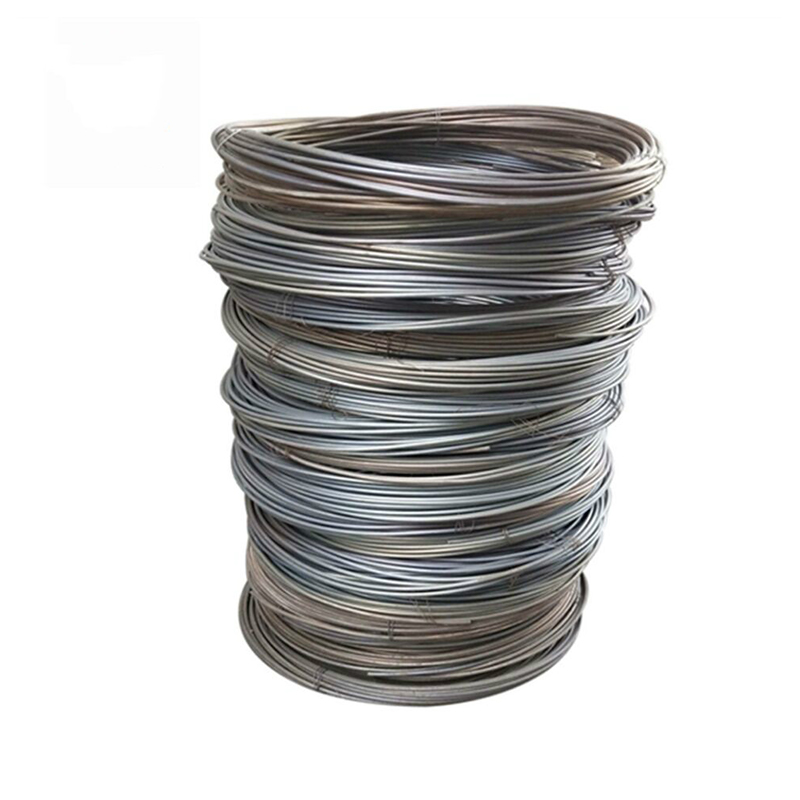
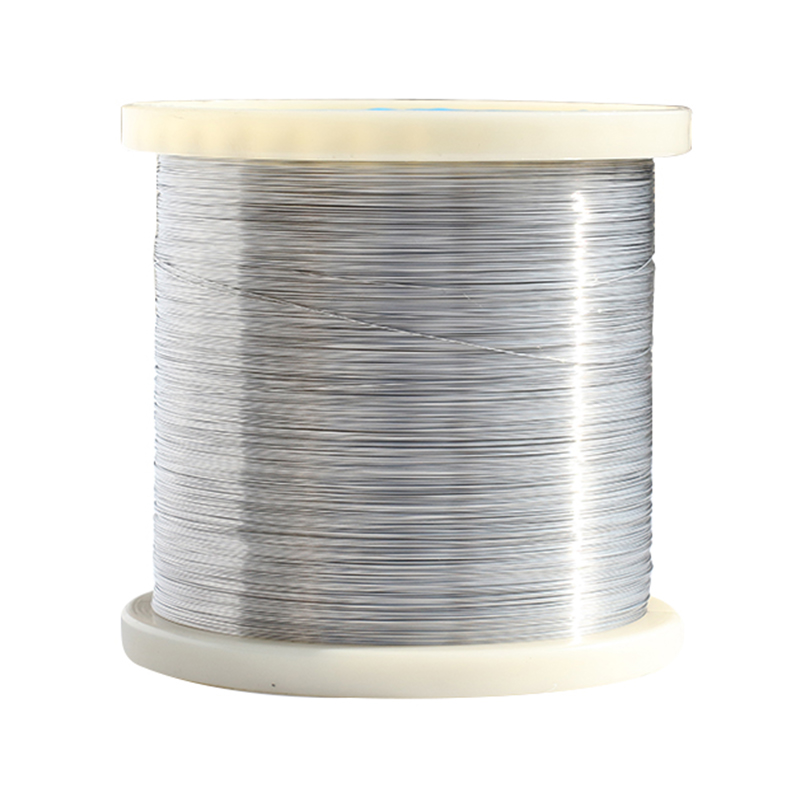
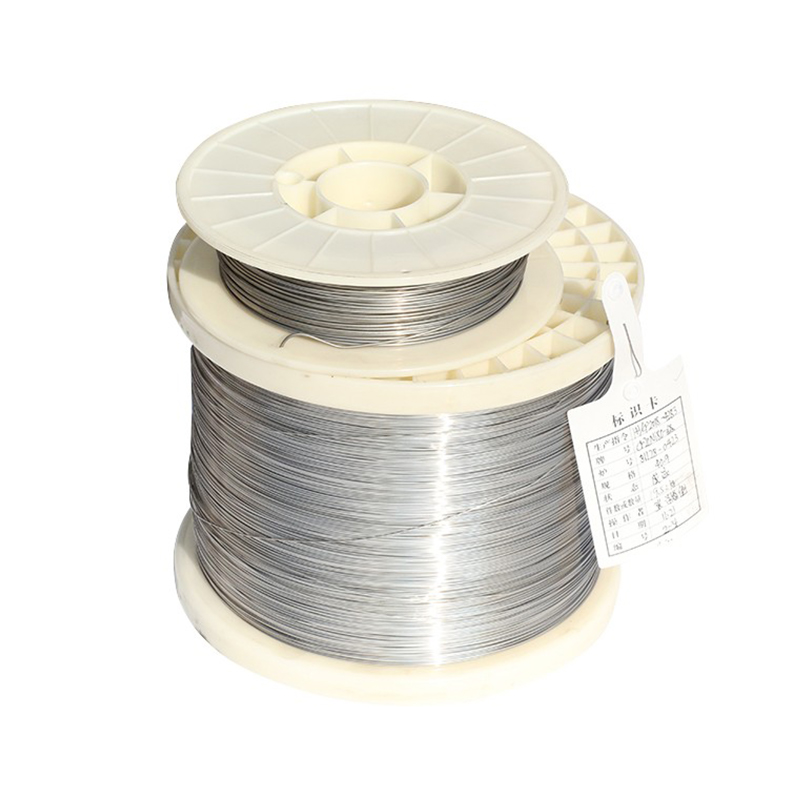
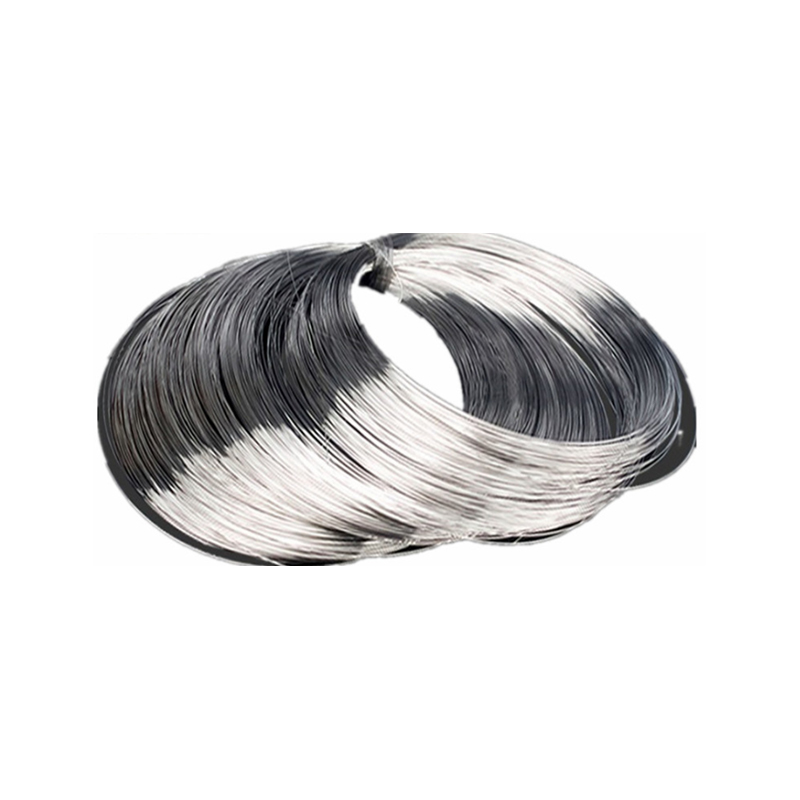
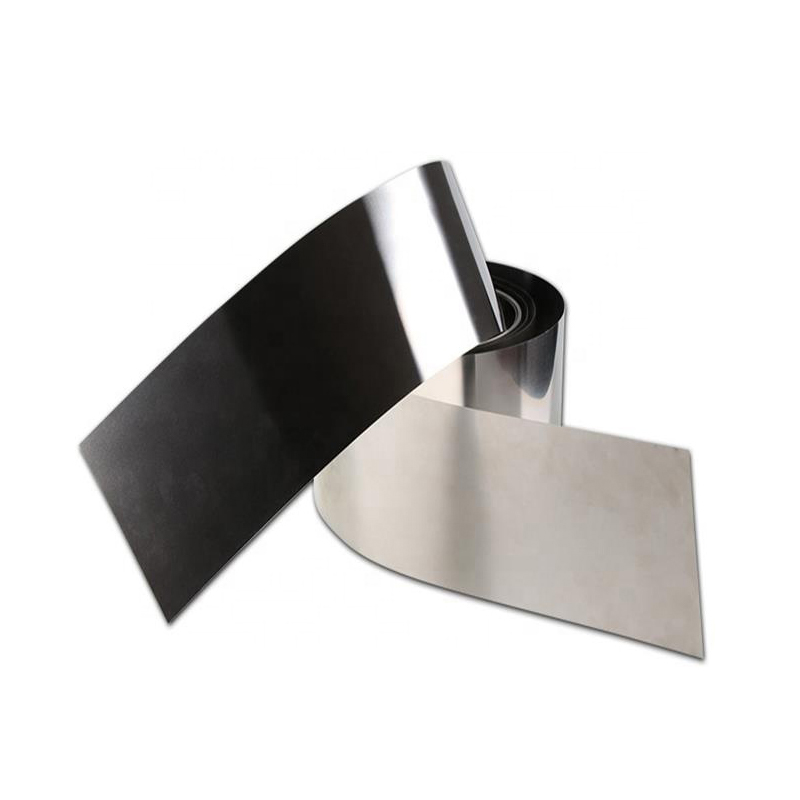
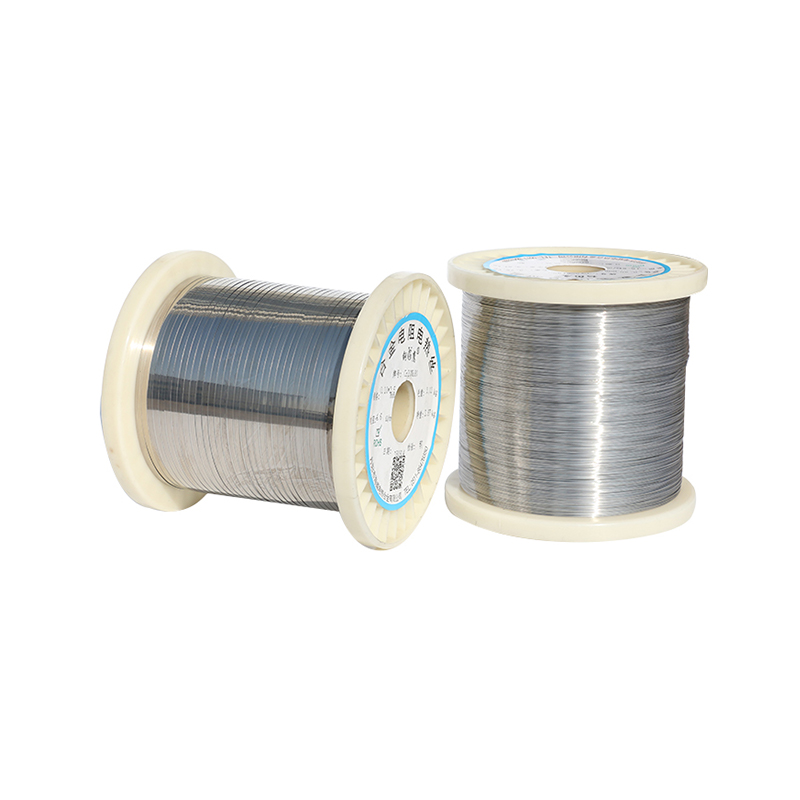

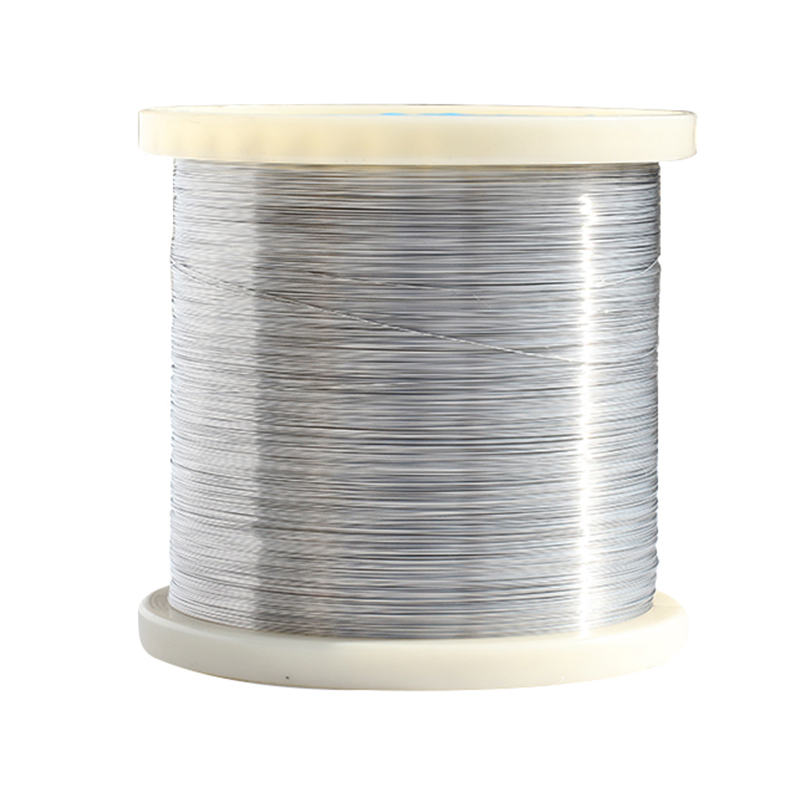
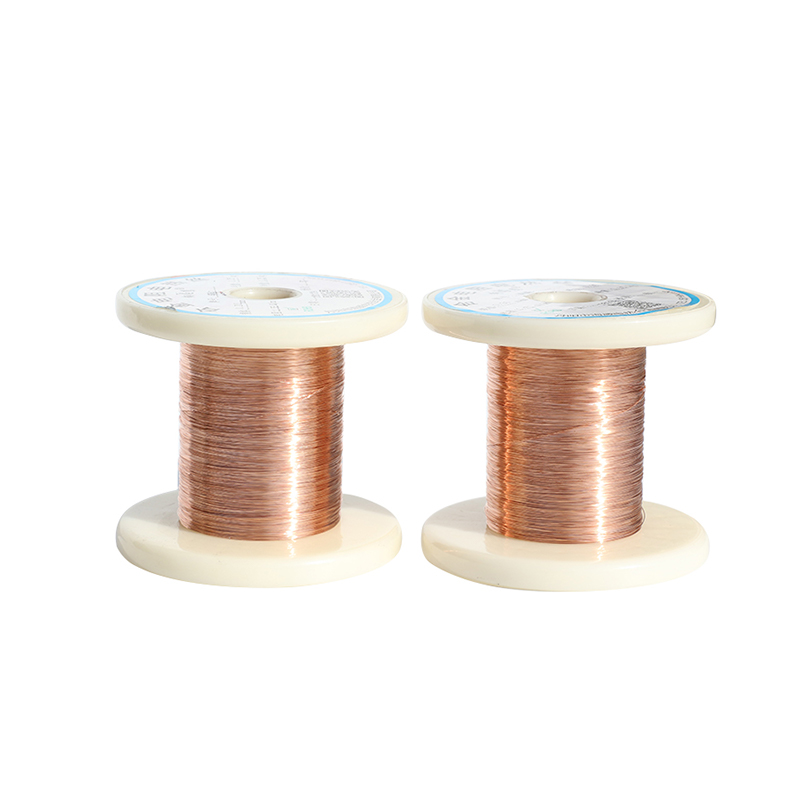
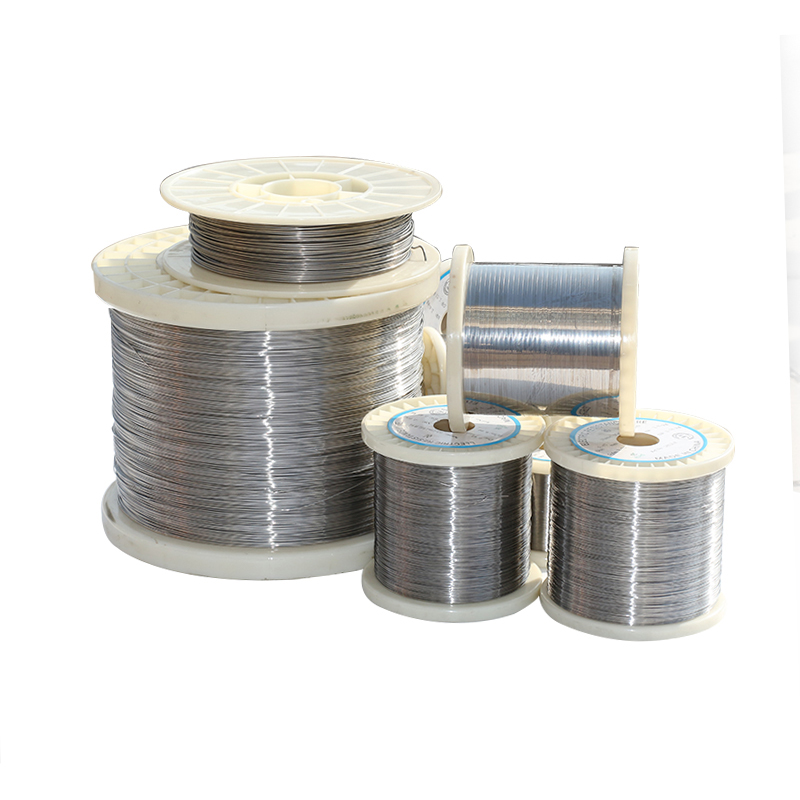
The Bottom Line: Which Should You Choose? Choose Monel when your environment involves seawater, hydrofluoric acid, or highly reducing conditions. Choose stainless steel when oxid...
READ MORECR15NI60 Precision NiCr, NiCrFe Alloys Base Alloy Tubing Wholesale

CR15NI60 Precision NiCr, NiCrFe Alloys Base Alloy Tubing
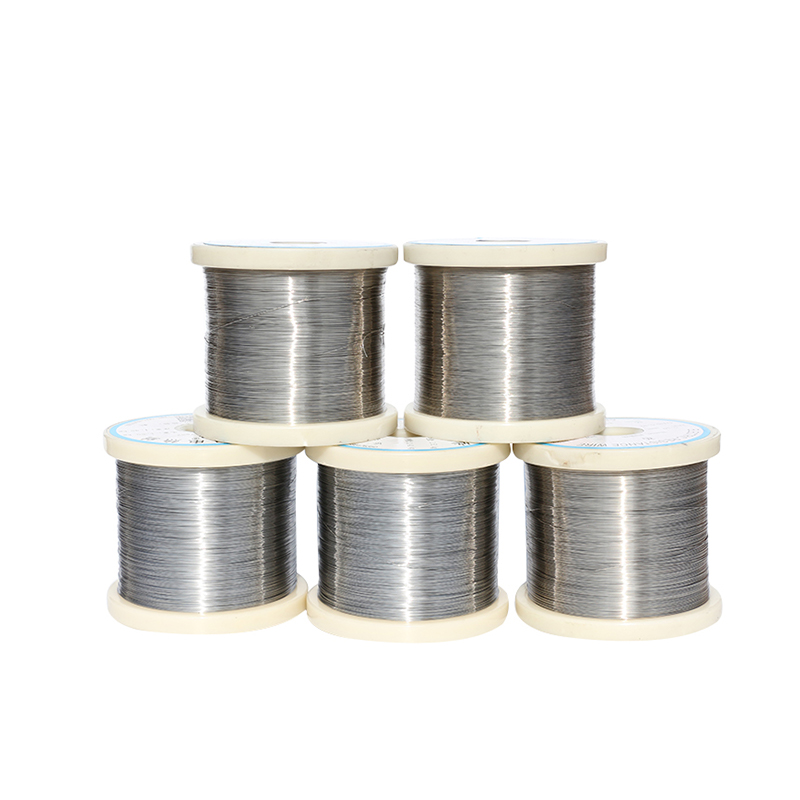
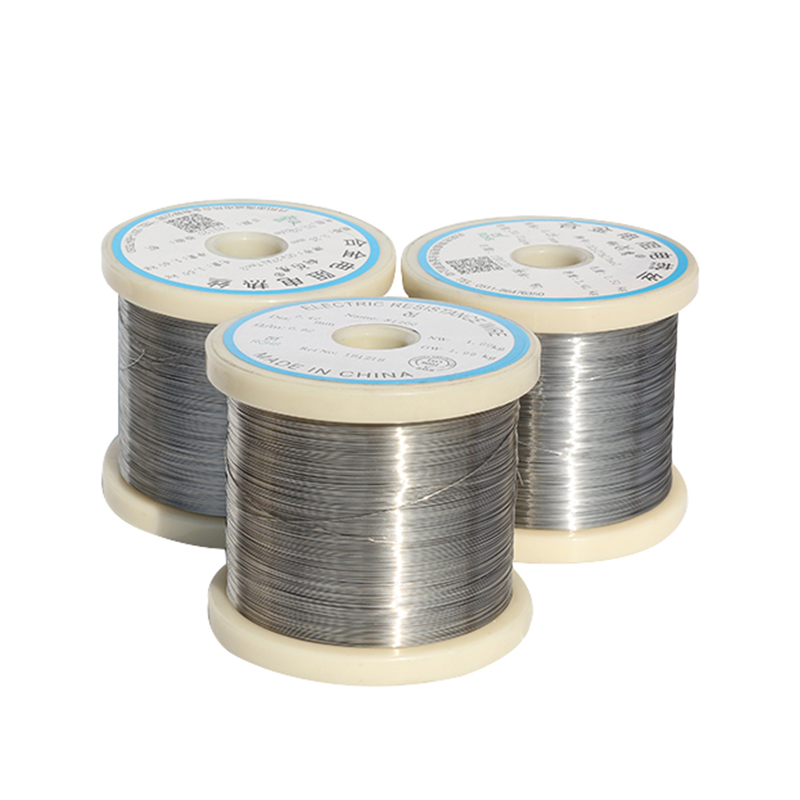
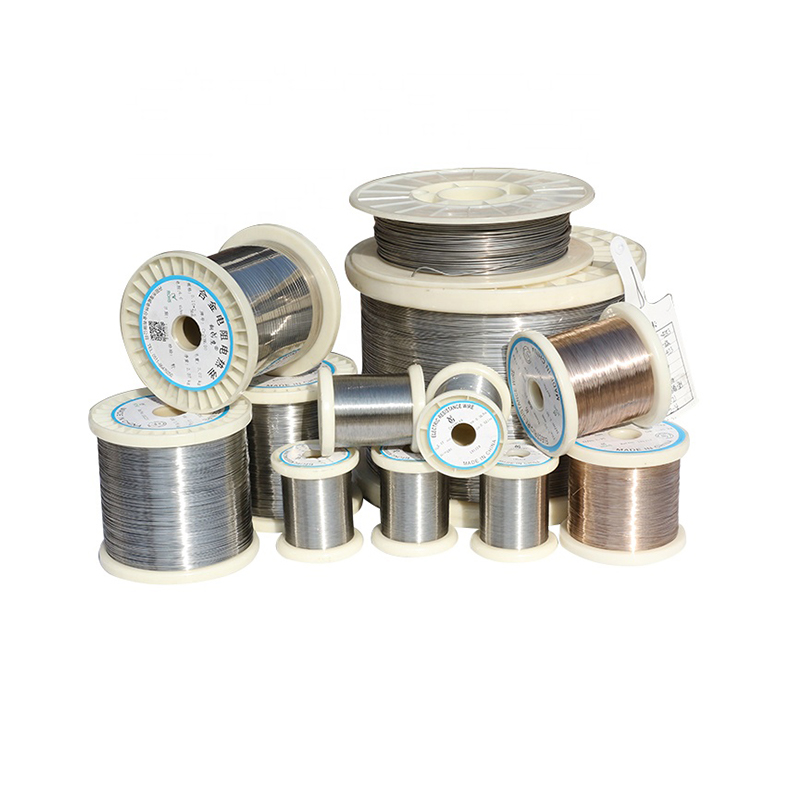
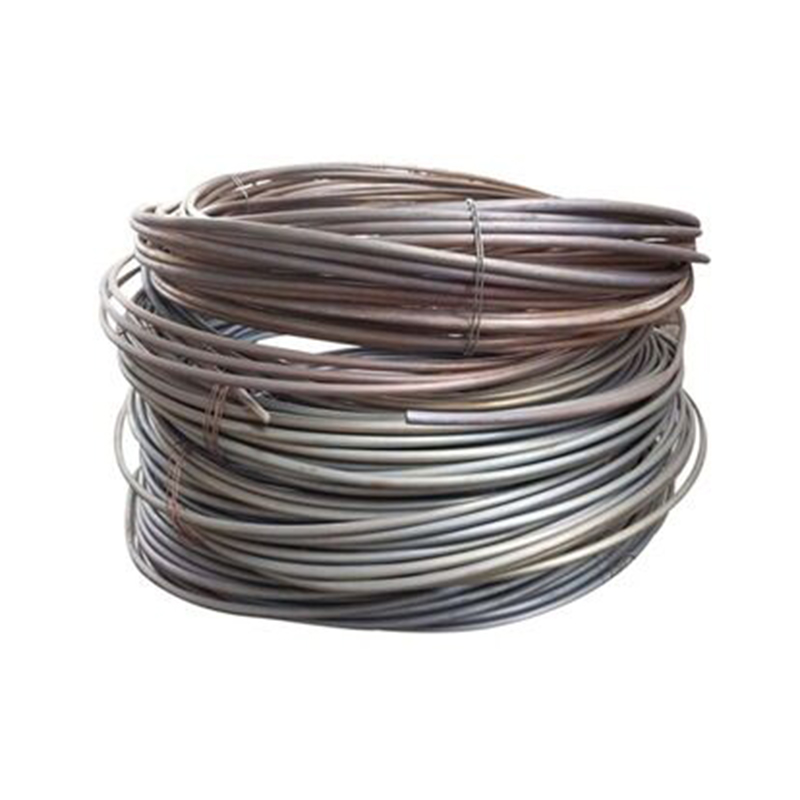
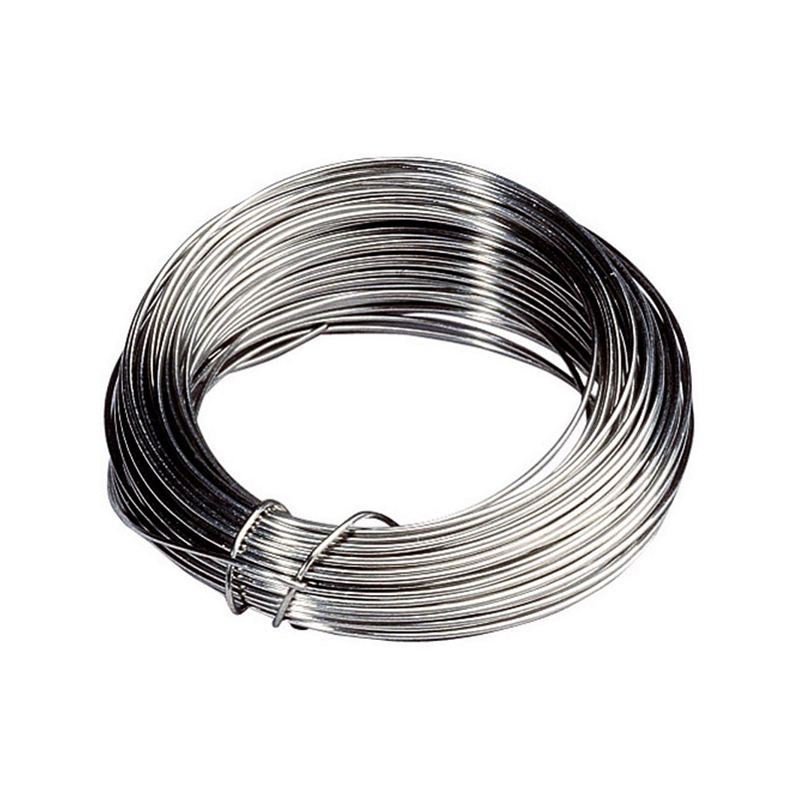
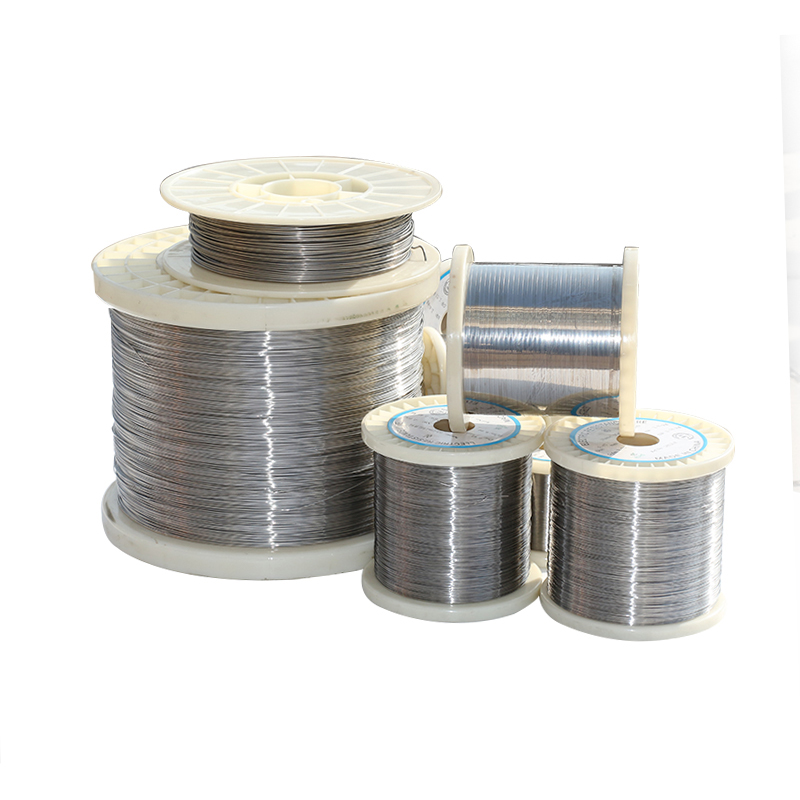
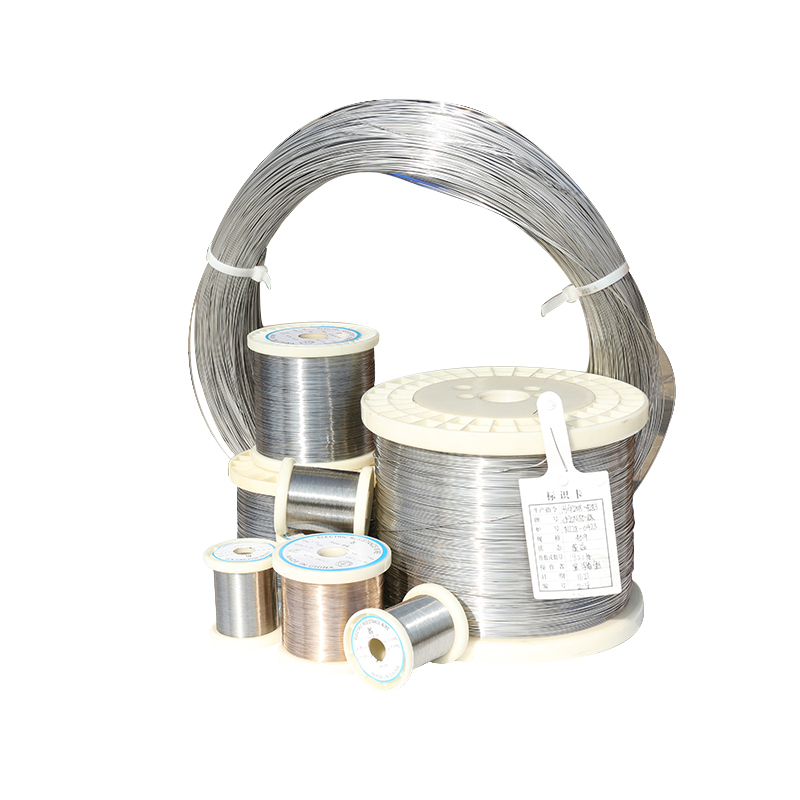
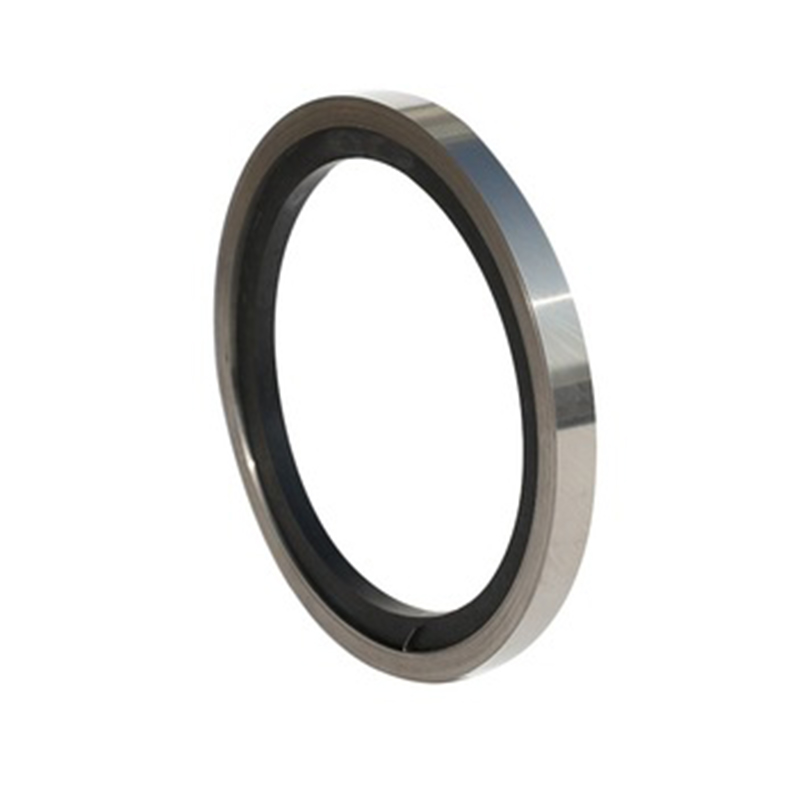
CR15NI60 Precision NiCr, NiCrFe Alloys Base Alloy Tubing is a medium-to-high nickel-based alloy tubing with a nickel content between 55.0% and 61.0%. This tubing serves not only as a heating element but also as a pressure vessel and fluid conduit. The 15% chromium content provides necessary oxidation resistance, while the 60% nickel content ensures chemical stability under severe thermal shock and excellent cold working properties, allowing it to be precisely machined into ultra-thin-walled, high-tolerance tubular parts. It is often used as a metal sheath tube, filled internally with insulating magnesium oxide powder and heating wires. Its operating temperature limit of 1000°C makes it suitable for demanding environments such as aluminum alloy melting and high-pressure steam generators.
- Specification
- Contact Us
| Property | Type | Cr20Ni80 | Cr30Ni70 | Cr15Ni60 | Cr20Ni35 | Cr20Ni30 |
| Main chemical (%) | Ni | Bal | REST | 55.0–61.0 | 34.0–37.0 | 30.0–34.0 |
| Cr | 20.0–23.0 | 28.0–31.0 | 15.0–18.0 | 18.0–21.0 | 18.0–21.0 | |
| Fe | ≤1.0 | ≤1.0 | Bal | Bal | REST | |
| Max continuous service temp. (℃) | 1200 | 1100 | 1000 | 1000 | 1000 | |
| Melting point (℃) | 1400 | 1380 | 1390 | 1390 | 1390 | |
| Density (g/cm³) | 8.4 | 8.1 | 8.2 | 7.9 | 7.9 | |
| Resistivity (μΩ·m 20℃) | 1.09±0.05 | 1.18±0.05 | 1.11±0.05 | 1.04±0.05 | 1.04±0.05 | |
| Elongation (%) | ≥20 | ≥20 | ≥20 | ≥20 | ≥20 | |
| Specific heat (J/g℃ at 20℃) | 0.44 | 0.461 | 0.494 | 0.5 | 0.5 | |
| Thermal conductivity (k J/m.h℃) | 60.3 | 45.2 | 45.2 | 43.8 | 43.8 | |
| Line expansion coefficient (α×10⁻⁶/℃(20–1000℃)) | 18 | 17 | 17 | 19 | 19 | |
| Micro structure | Austenite | Austenite | Austenite | Austenite | Austenite | |
| Magnetic properties | Non-magnetic | Non-magnetic | Non-magnetic | Weak magnetic | Weak magnetic | |
About Us
Danyang Haiwei Electrothermal Alloy Co., Ltd.
Danyang Haiwei Electrothermal Alloy Co., Ltd. is located in Lvcheng Town, Danyang City, Jiangsu Province, China. The company was established in 2010 based on the original company "Danyang Huakang Electric Heating Alloy Co., Ltd." and has been in operation for over 40 years. Since its expansion, the company's total area has reached 30,000 square meters. As a famous China CR15NI60 Precision NiCr, NiCrFe Alloys Base Alloy Tubing Manufacturers and CR15NI60 Precision NiCr, NiCrFe Alloys Base Alloy Tubing Factory, the company has production lines for a series of products including FeCrAl, Kanthal, CuNi, NiCr, CuMn, Kangtong, Monel, Incoloy, Hastelloy, etc. We have equipped with advanced equipment and processes, capable of providing a complete product range from raw material melting, steel rolling, stretching, heat treatment to finished products and packaging. Standardization work and strict inspections run through every stage of the product. As Haiven people, we have always adhered to the goal of "building a first-class brand and a first-class enterprise". We uphold the spirit of "quality first, reputation foremost", providing customers with the highest quality products and competitive prices. Welcome new and old customers at home and abroad to visit and patronize. Let us achieve long-term win-win cooperation.
News
-
-
The gauge and insulation material of thermocouple wire directly determine its response speed, temperature range, accuracy, mechanical durability, and service life. Thinner wire re...
READ MORE -
To properly install and connect thermocouple wire and avoid measurement errors, you must match the wire type to the application, maintain polarity, minimize extension wire length,...
READ MORE -
What Are the Key Differences Between Iron Chromium Aluminum Alloy Grades Such as FeCrAl and Kanthal?
The Direct Answer: Grade Differences Come Down to Composition, Temperature Ceiling, and Service Life Iron chromium aluminum alloy grades — including the widely used Kanthal family...
READ MORE -
How Do You Select the Right Copper-Nickel Grade for Shipbuilding, HVAC, and Industrial Pipe Systems?
Selecting the Right Copper-Nickel Grade Requires Matching Alloy Composition to the Specific Corrosion Environment, Operating Pressure, Temperature, and Flow Conditions of Each App...
READ MORE
Copyright © Danyang Haiwei Electrothermal Alloy Co., Ltd. All Rights Reserved
 Wholesale CR15NI60 Precision NiCr, NiCrFe Alloys Base Alloy Tubing Factory