

 English
 русский
 Español
-
06 / 02
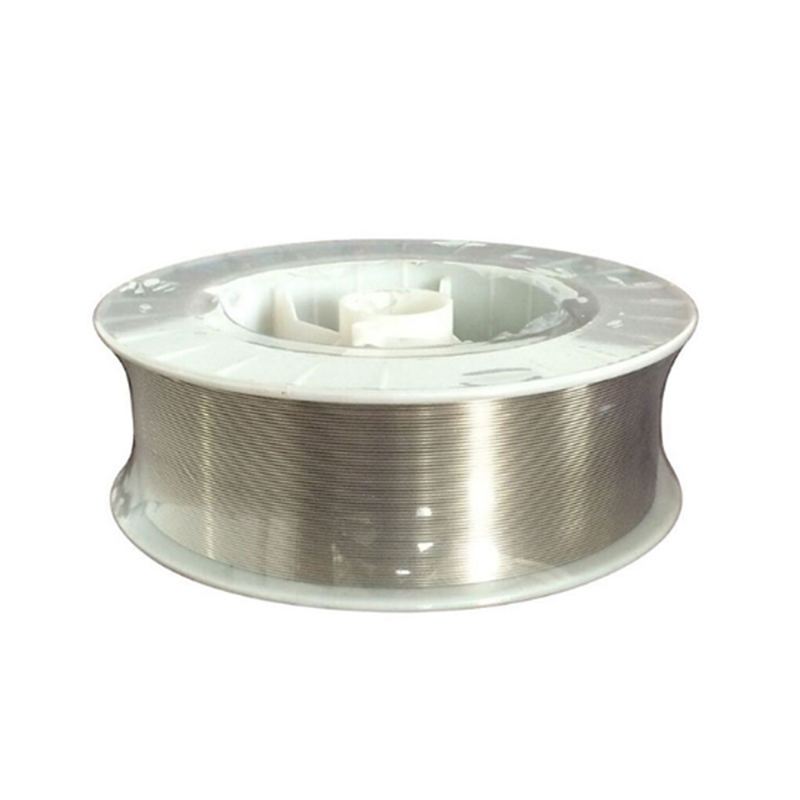
Monel Alloys vs. Stainless Steel: Performance Comparison and Material Selection Guide
The Bottom Line: Which Should You Choose? Choose Monel when your environment involves seawater, hydrofluoric acid, or highly reducing conditions. Choose stainless steel when oxidizing environments, ... -
06 / 01
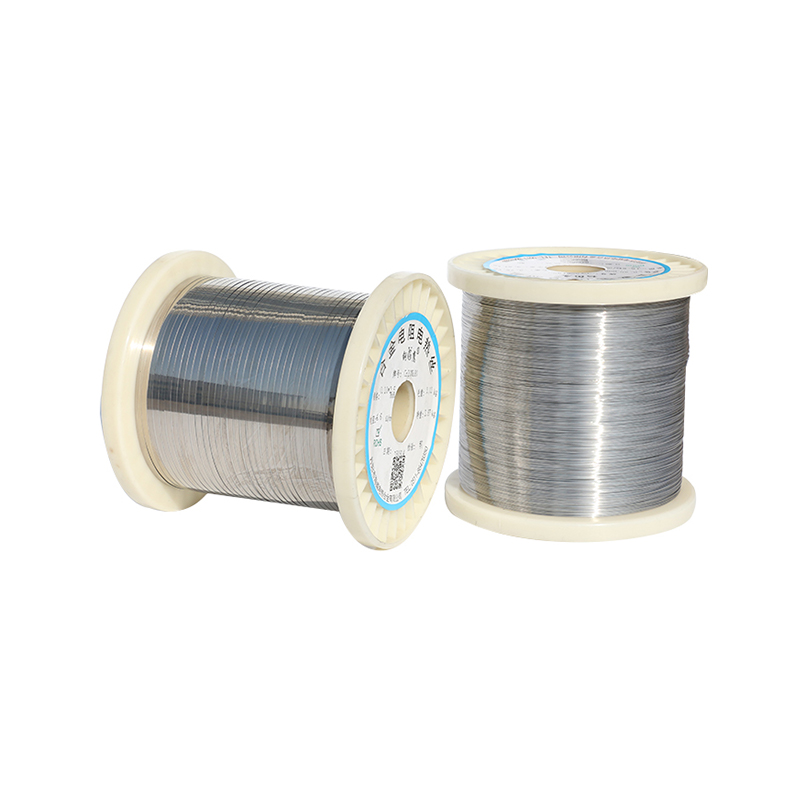
How Does the Gauge and Insulation Material of Thermocouple Wire Impact Its Performance?
The gauge and insulation material of thermocouple wire directly determine its response speed, temperature range, accuracy, mechanical durability, and service life. Thinner wire responds faster but we... -
05 / 25
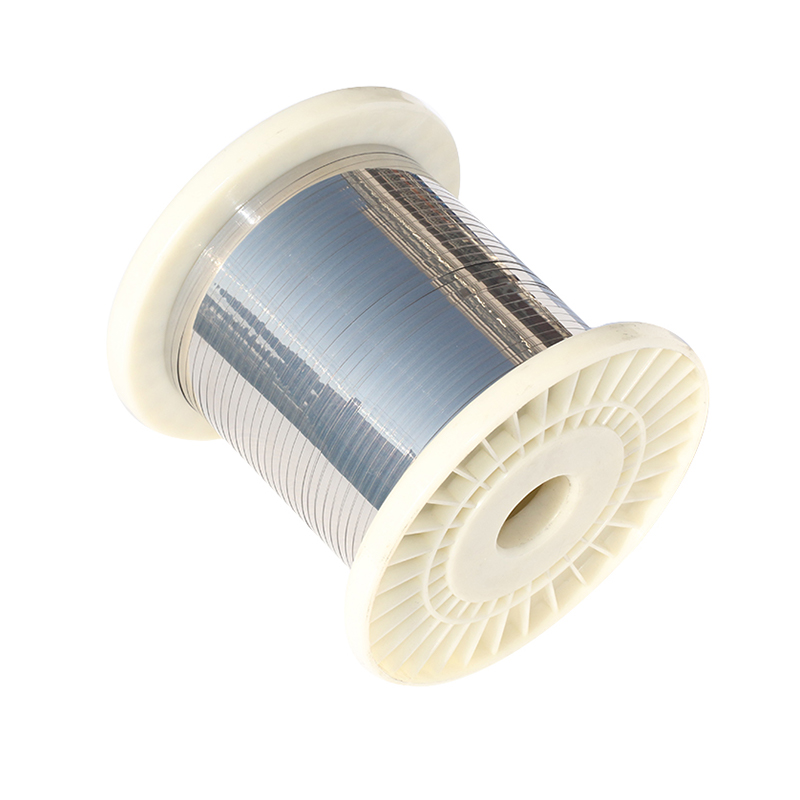
How Do You Properly Install and Connect Thermocouple Wire to Avoid Measurement Errors?
To properly install and connect thermocouple wire and avoid measurement errors, you must match the wire type to the application, maintain polarity, minimize extension wire length, use the correct con... -
05 / 18
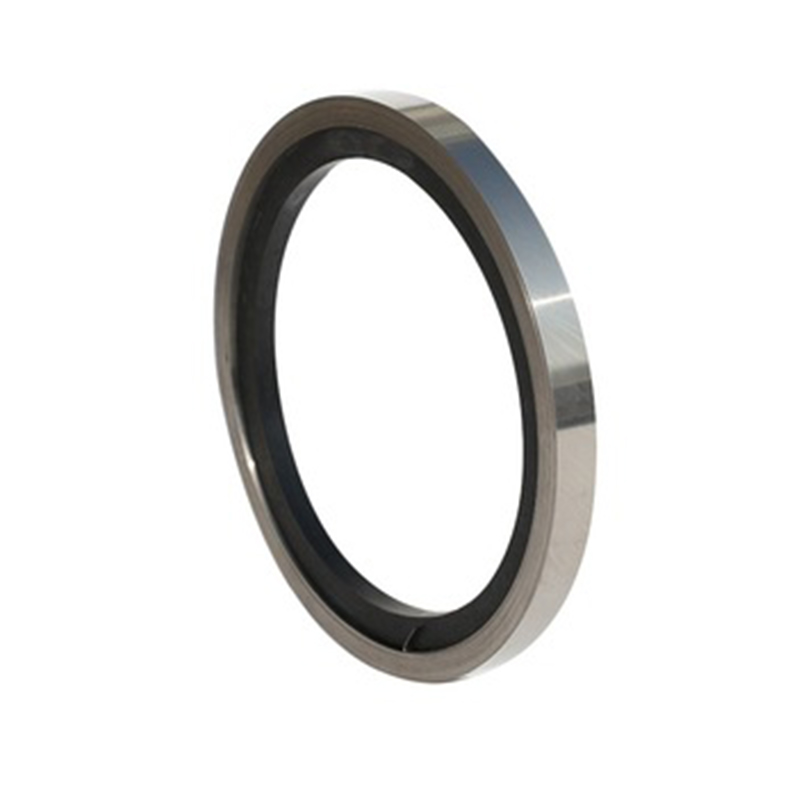
What Are the Key Differences Between Iron Chromium Aluminum Alloy Grades Such as FeCrAl and Kanthal?
The Direct Answer: Grade Differences Come Down to Composition, Temperature Ceiling, and Service Life Iron chromium aluminum alloy grades — including the widely used Kanthal family and generic FeCrAl ... -
05 / 11
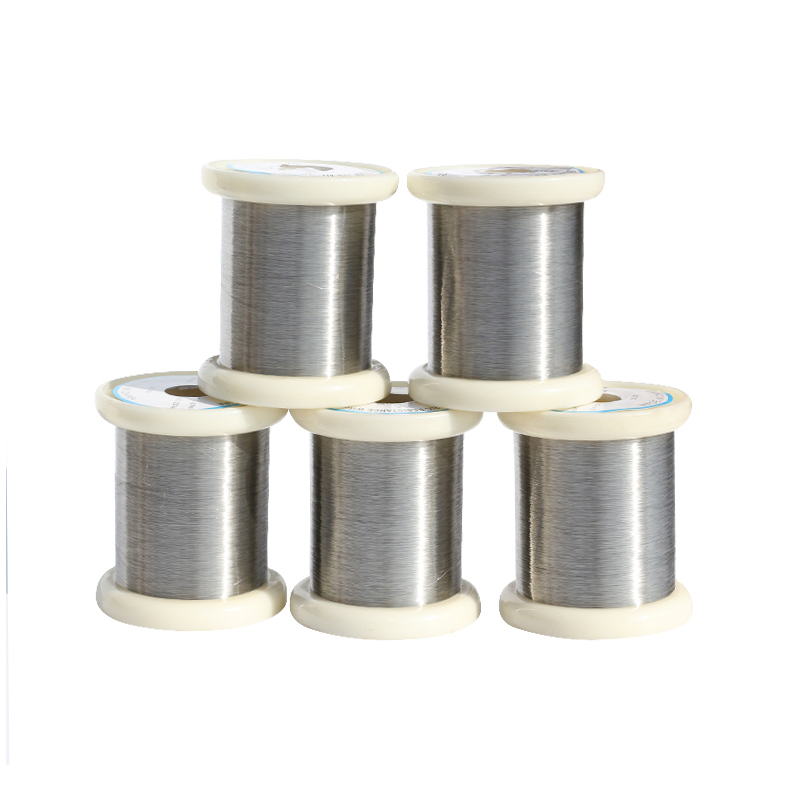
How Do You Select the Right Copper-Nickel Grade for Shipbuilding, HVAC, and Industrial Pipe Systems?
Selecting the Right Copper-Nickel Grade Requires Matching Alloy Composition to the Specific Corrosion Environment, Operating Pressure, Temperature, and Flow Conditions of Each Application Copper-nick... -
05 / 04
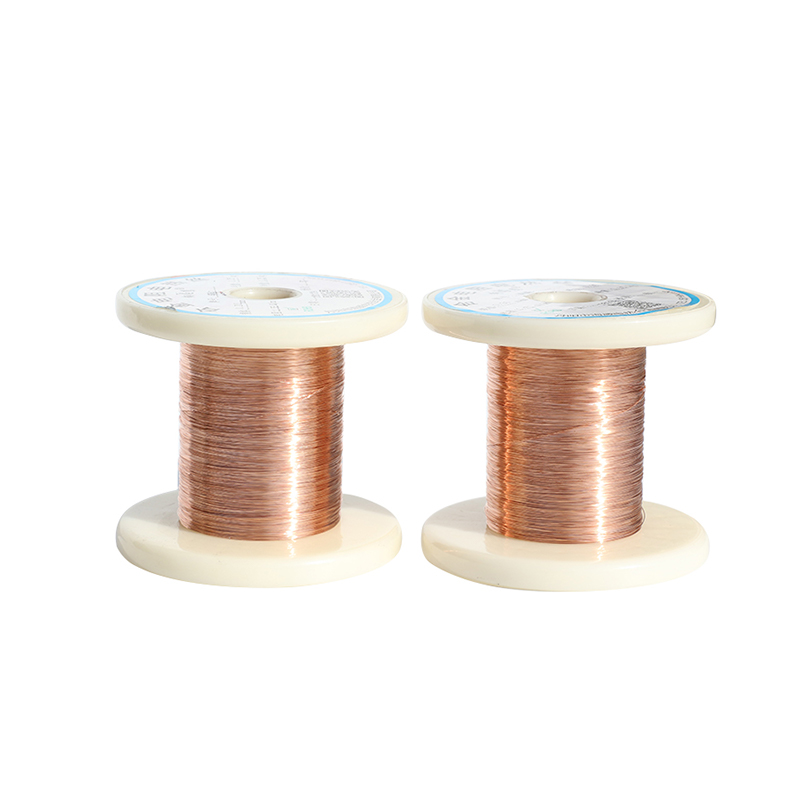
Why Is Copper-Nickel the Preferred Material for Marine Piping and Offshore Engineering Systems?
Copper-Nickel Is the Dominant Choice for Marine Piping Because No Other Affordable Metal Combines Seawater Corrosion Resistance, Biofouling Immunity, and Mechanical Reliability as Effectively Marine ... -
04 / 27
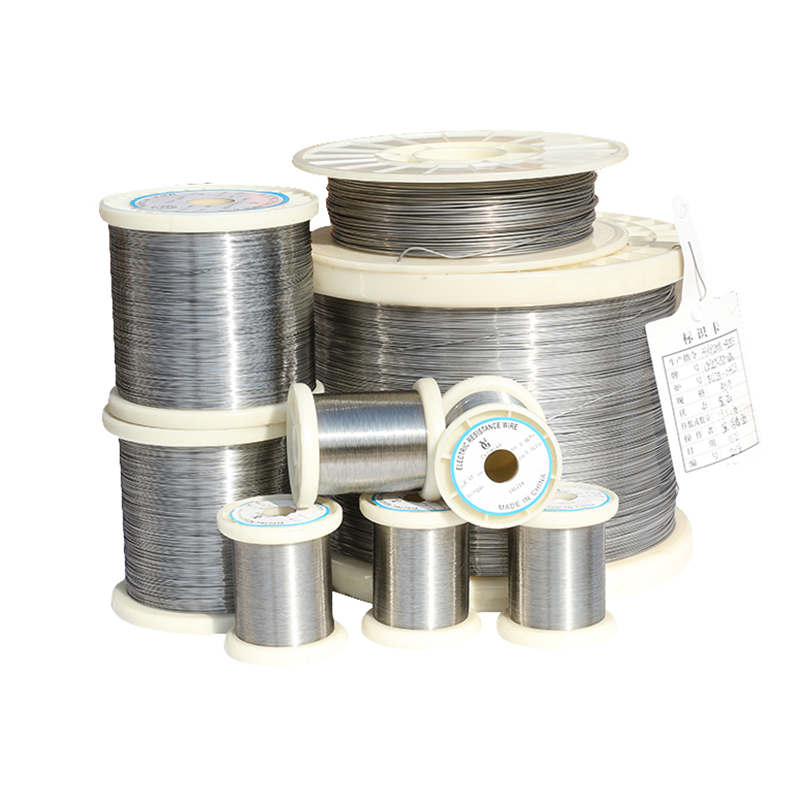
How Is Pure Nickel Manufactured and Processed for Different Uses?
Overview of Pure Nickel Manufacturing Definition and Industrial Significance Pure nickel refers to commercially refined nickel with a purity typically above 99%, with common industrial grades includin... -
04 / 20

Which Gas Welding Wire is Right for Your Project: Solid vs. Flux-Cored?
Understanding Solid Gas Welding Wire (GMAW) Solid Gas Welding Wire, the primary consumable for Gas Metal Arc Welding (GMAW), is a continuous strand of solid metal. It is most commonly manufactured fro... -
04 / 13
Stainless Steel vs. Corrosion-Resistant Alloy: Which is Best for Harsh Environments?
In modern industrial sectors—particularly energy, chemical processing, and marine engineering—material failure often translates into millions of dollars in losses or even environmental catastrophes. W... -
04 / 10
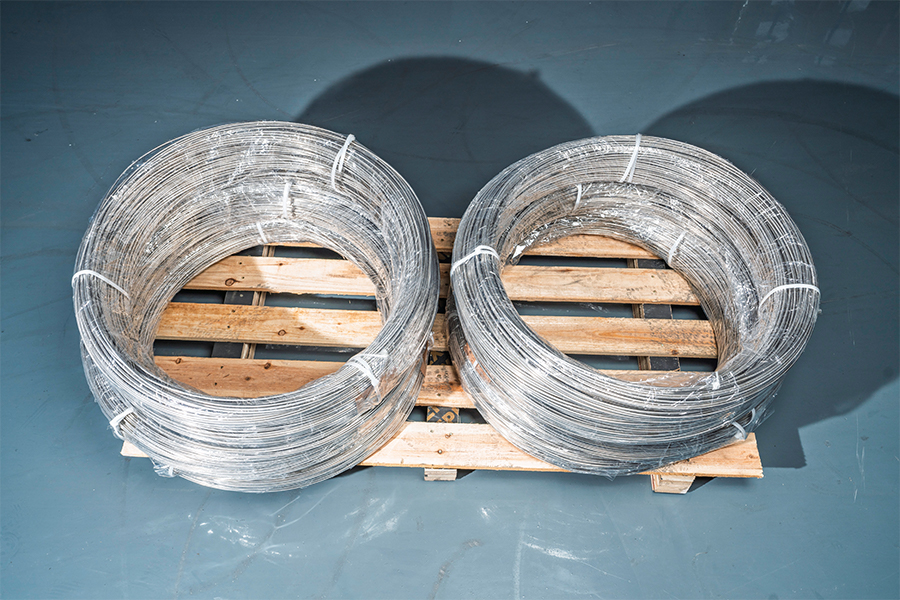
Hard vs Soft Magnetic Materials: Key Differences Explained
Magnetic materials are broadly classified into two categories: hard magnetic materials and soft magnetic materials. The fundamental distinction lies in their coercivity — hard magnets resist demagneti... -
04 / 10
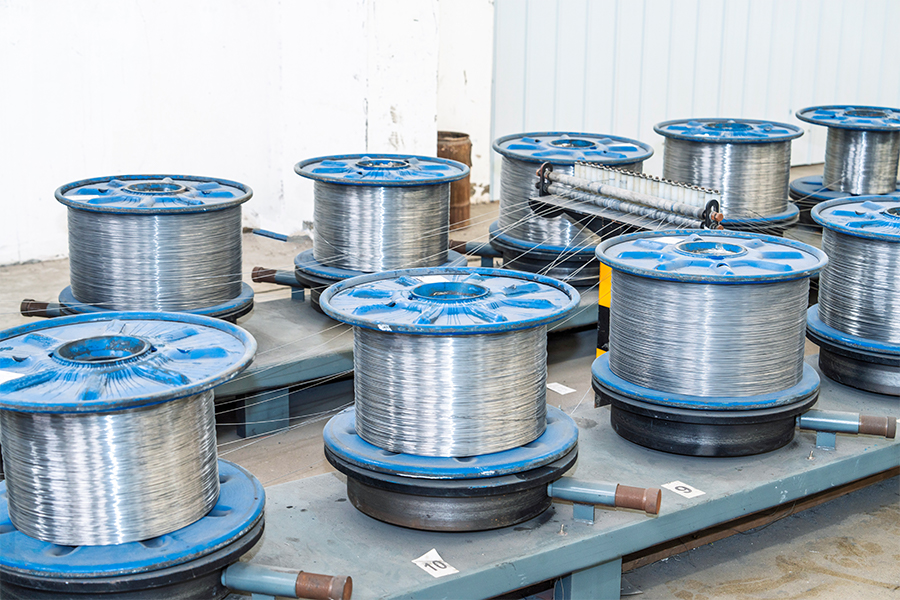
Why Is Monel Alloy Gaining Popularity in Harsh Marine Environments?
Monel Alloy has rapidly become one of the most trusted materials in marine engineering and offshore applications. As industries increasingly operate in aggressive seawater conditions, the demand for m... -
01 / 05
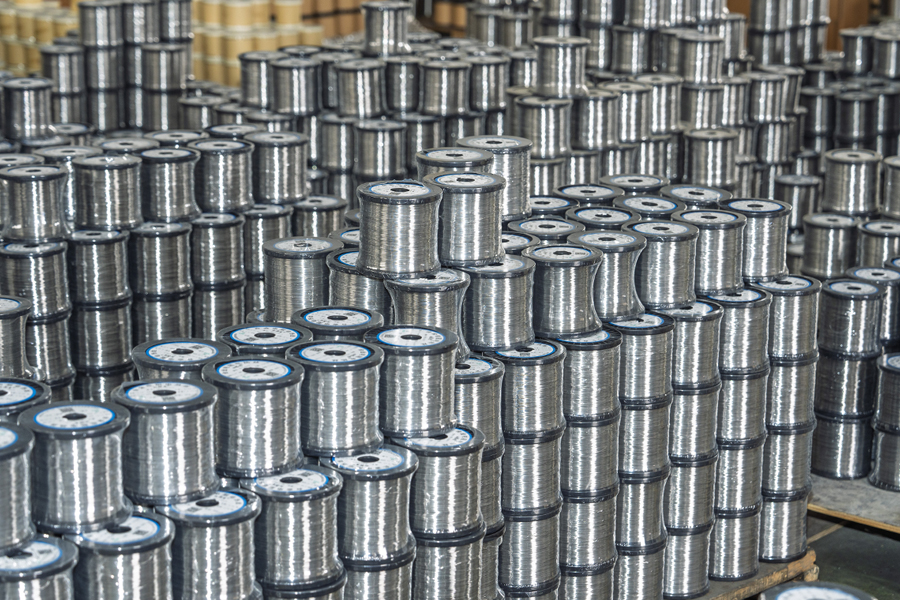
INCONEL® Alloy 600: Proven for Half a Century, Still Playing a Key Role in High-End Industrial Fields
In today's rapidly evolving materials science, one alloy, since its introduction in the mid-20th century, has withstood more than half a century of rigorous testing and continues to play an irreplacea...
Copyright © Danyang Haiwei Electrothermal Alloy Co., Ltd. All Rights Reserved
 OEM/ODM Nickel Based High-Temperature Alloy Manufacturers