

 English
 русский
 Español

The Bottom Line: Which Should You Choose? Choose Monel when your environment involves seawater, hydrofluoric acid, or highly reducing conditions. Choose stainless steel when oxid...
READ MORE1CR13AL4 High-Resistance Iron Chromium Aluminum Alloy Wire Wholesale
Home / Products / Iron Chromium Aluminum Alloy / 1CR13AL4 High-Resistance Iron Chromium Aluminum Alloy Wire

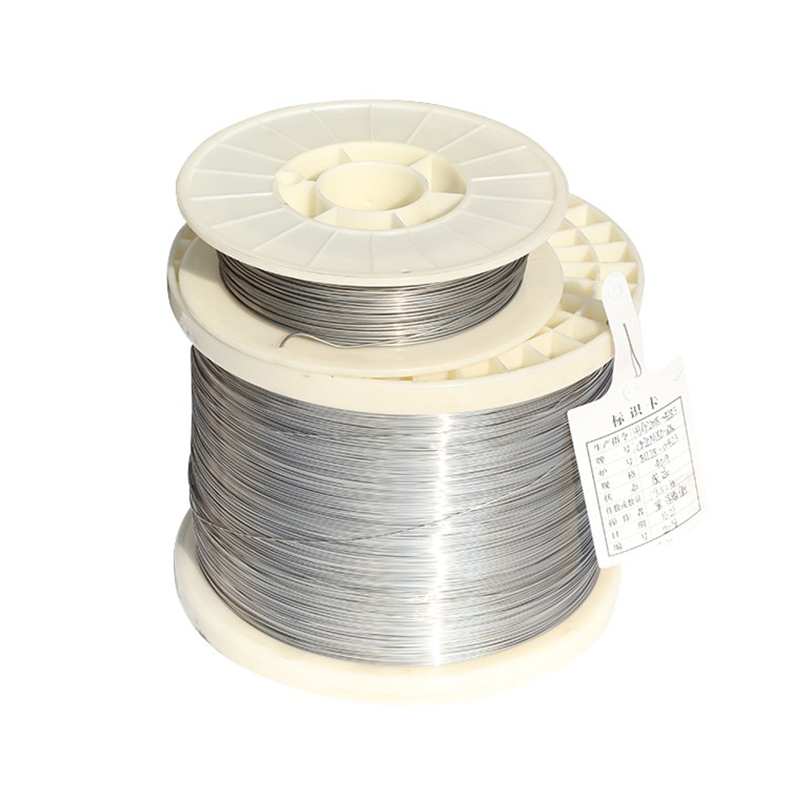
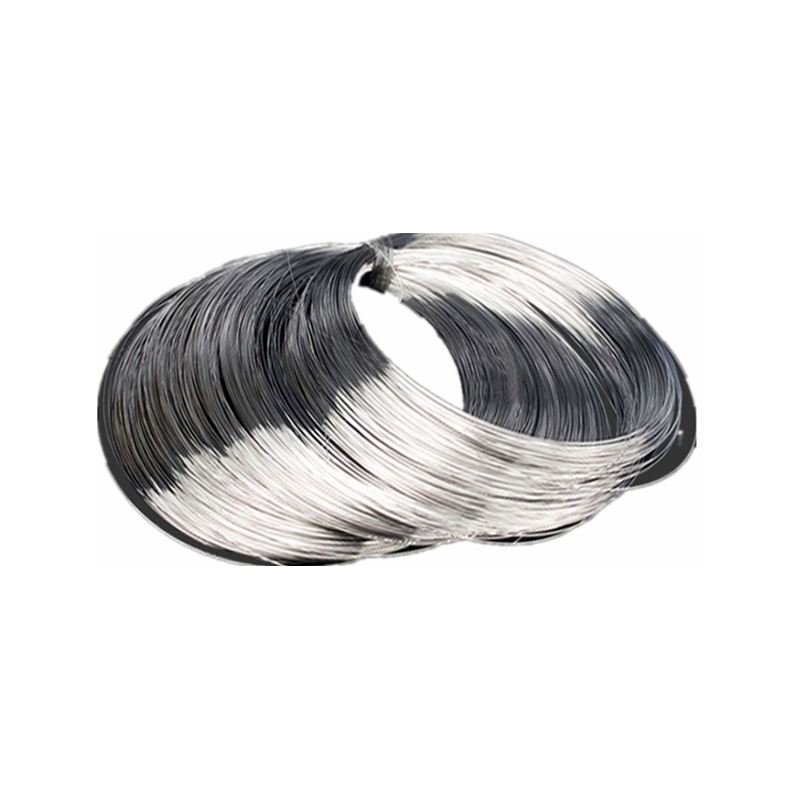
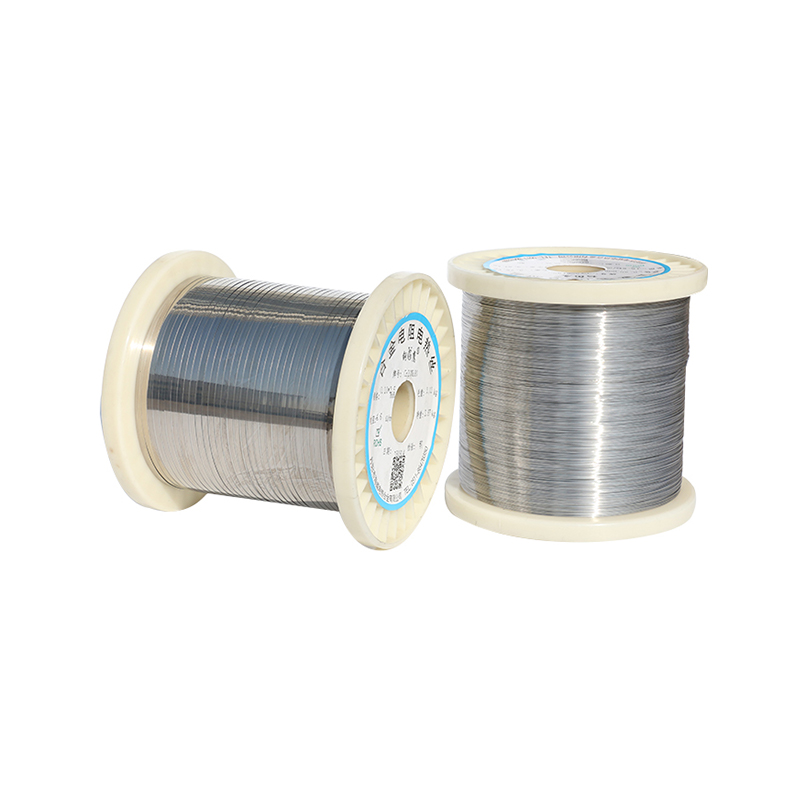
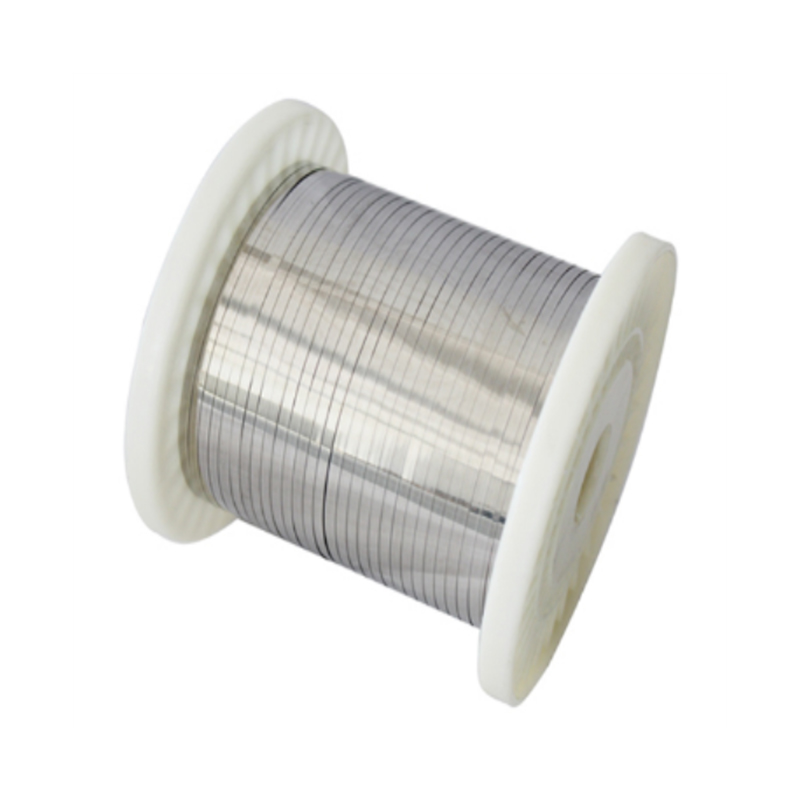
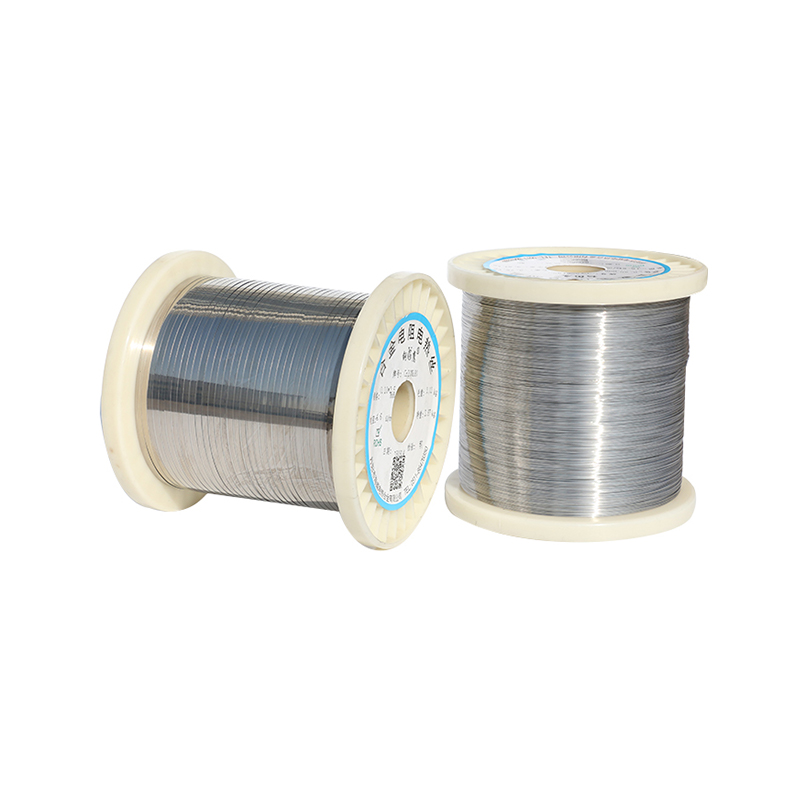
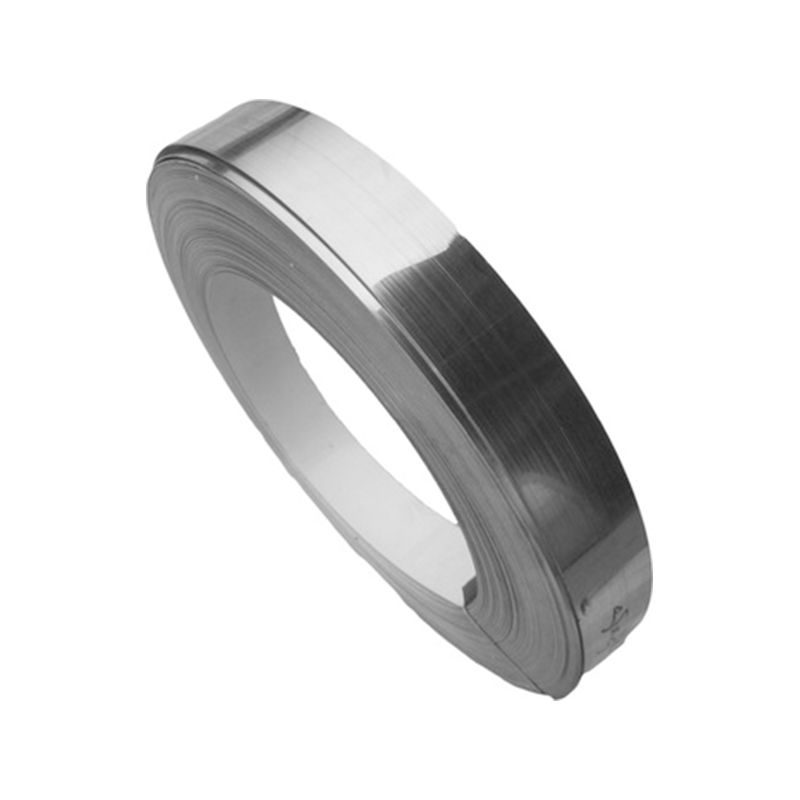
1CR13AL4 High-Resistance Iron Chromium Aluminum Alloy Wire
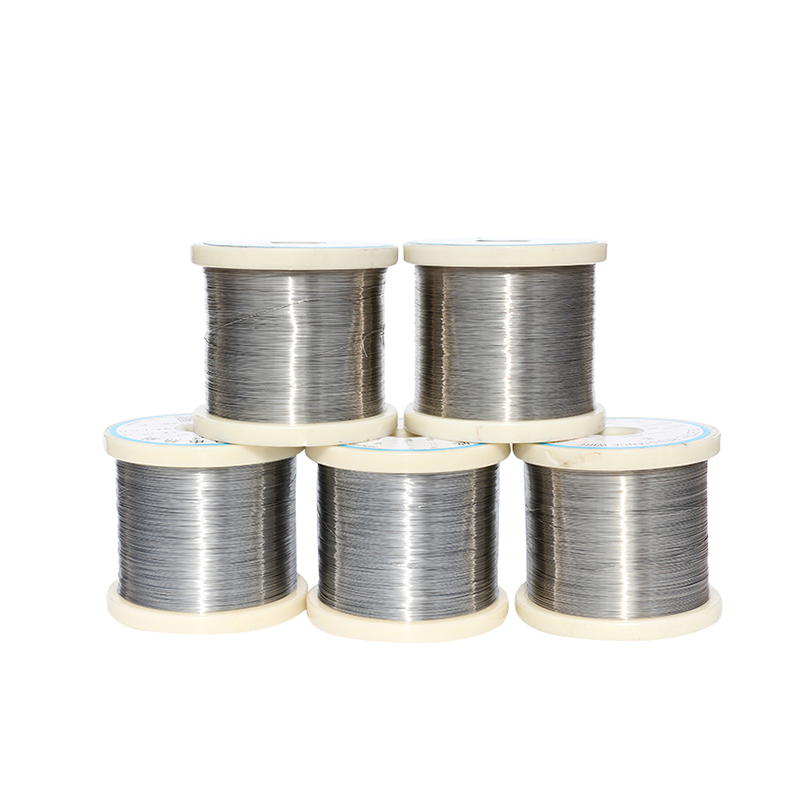
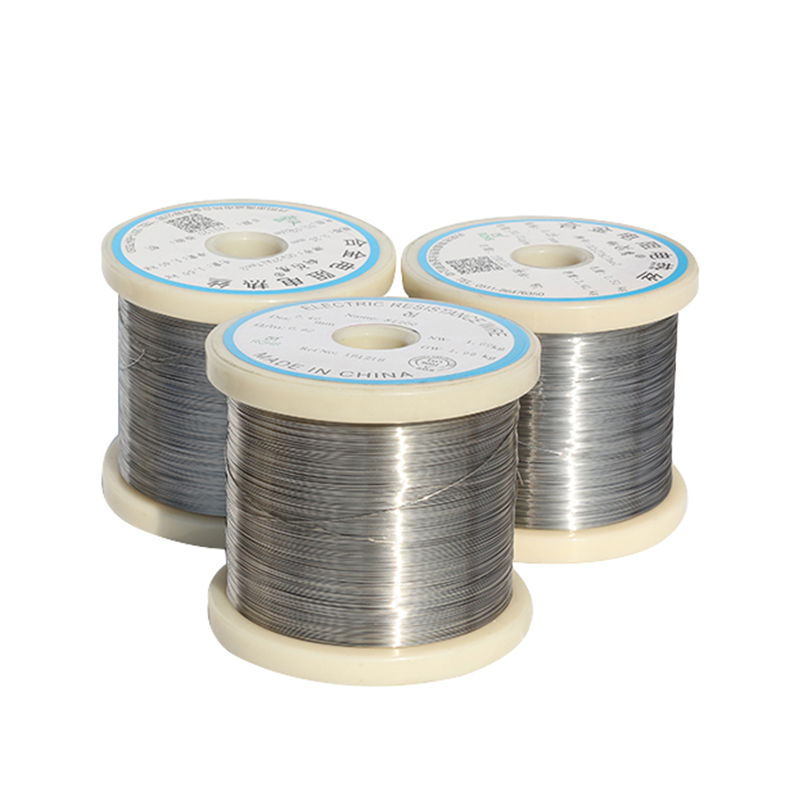
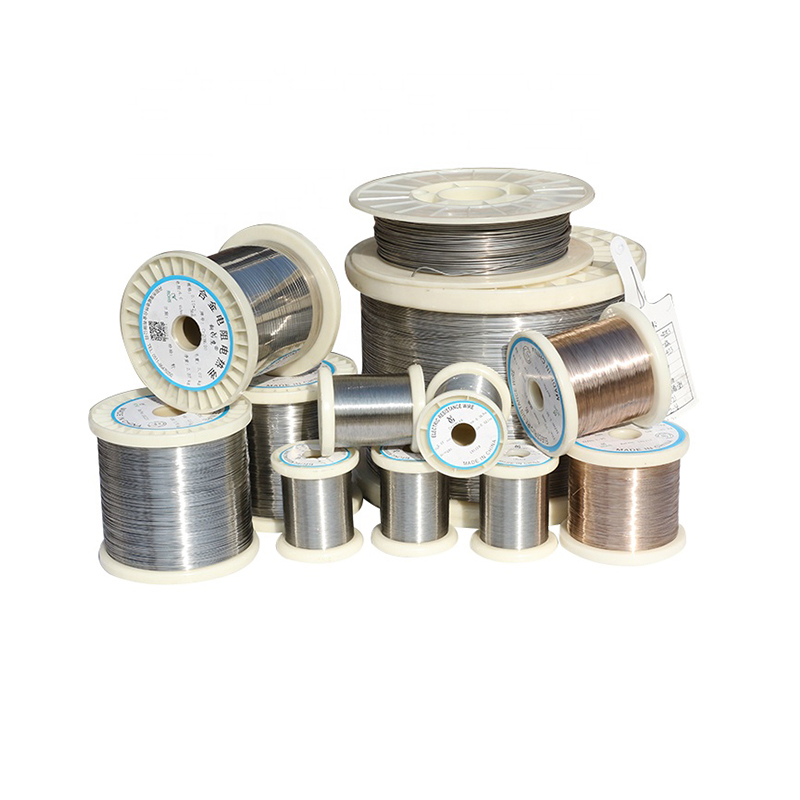
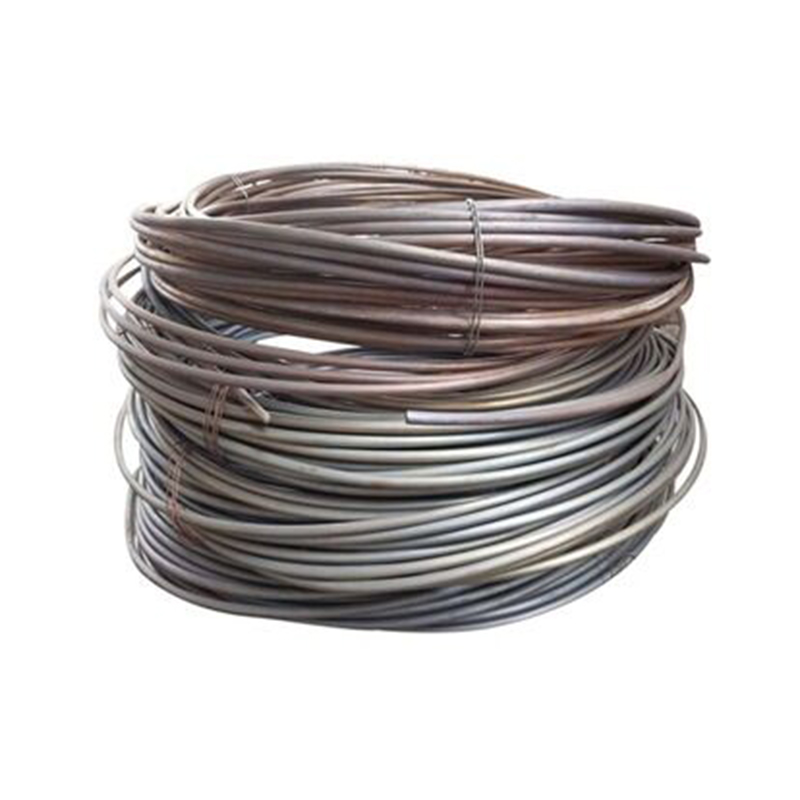
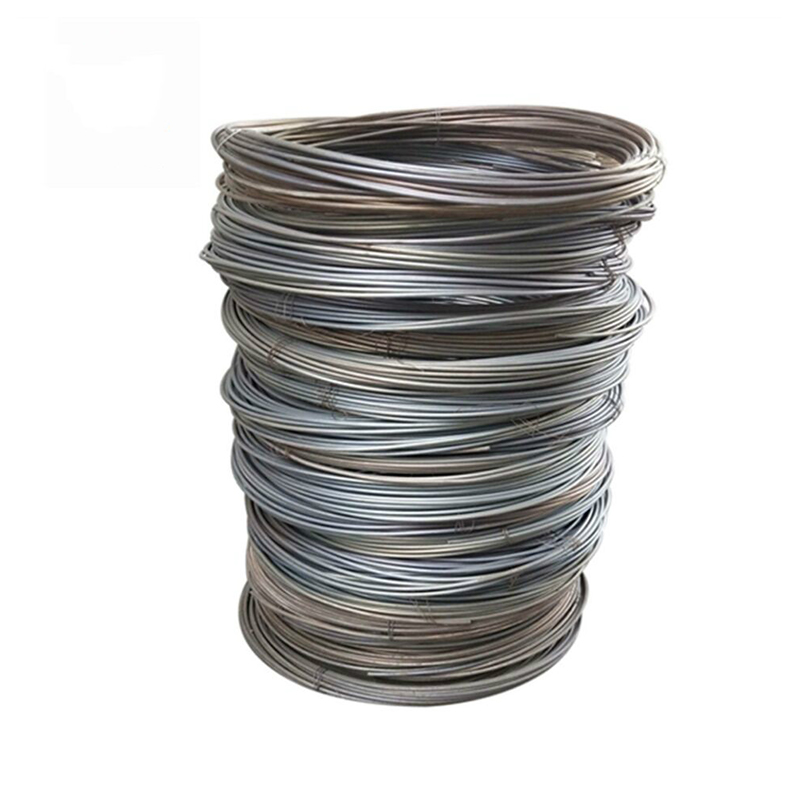
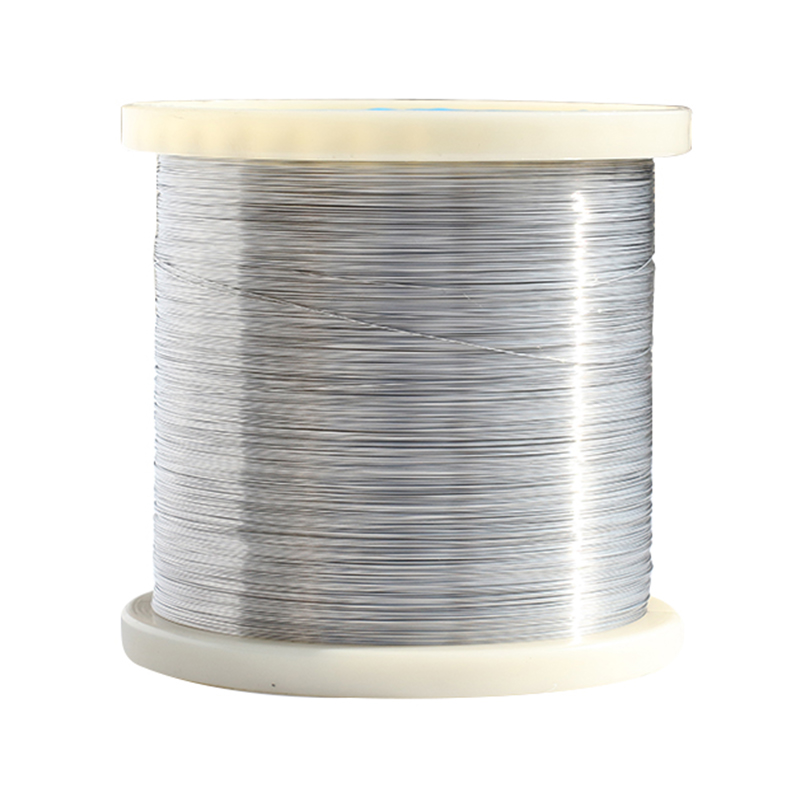
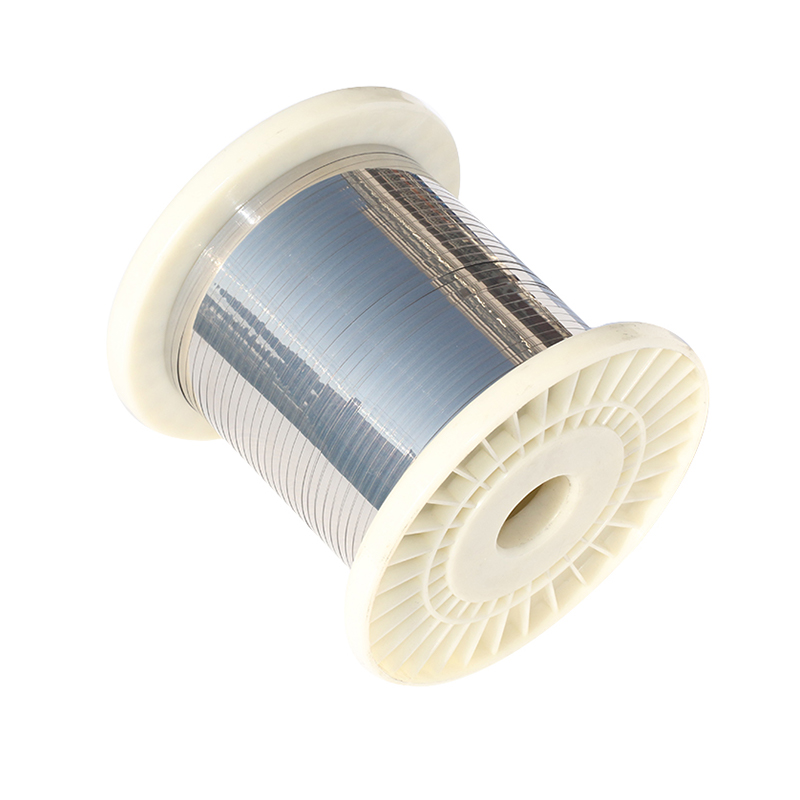
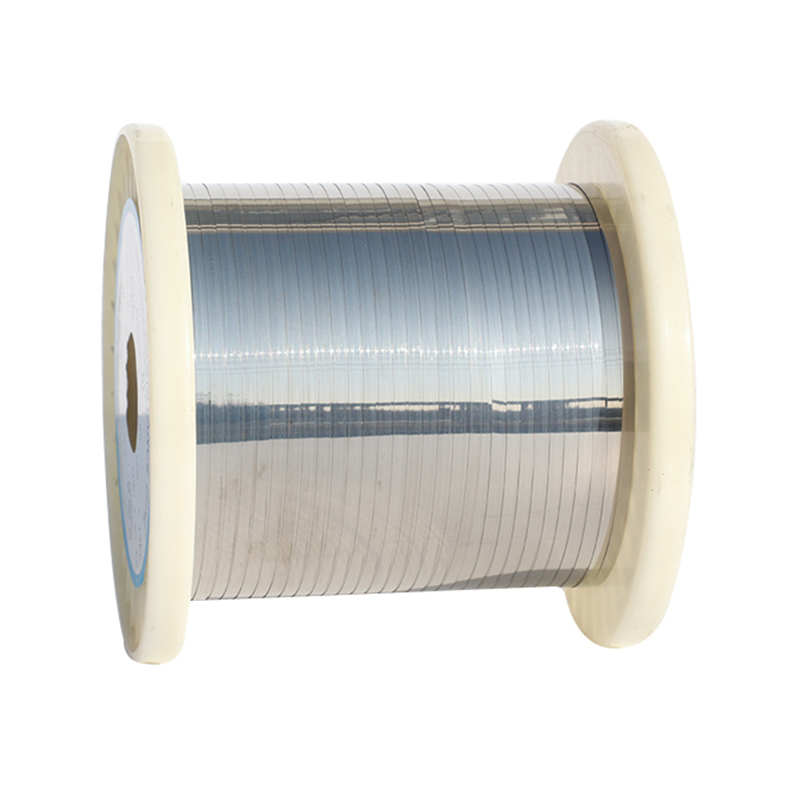
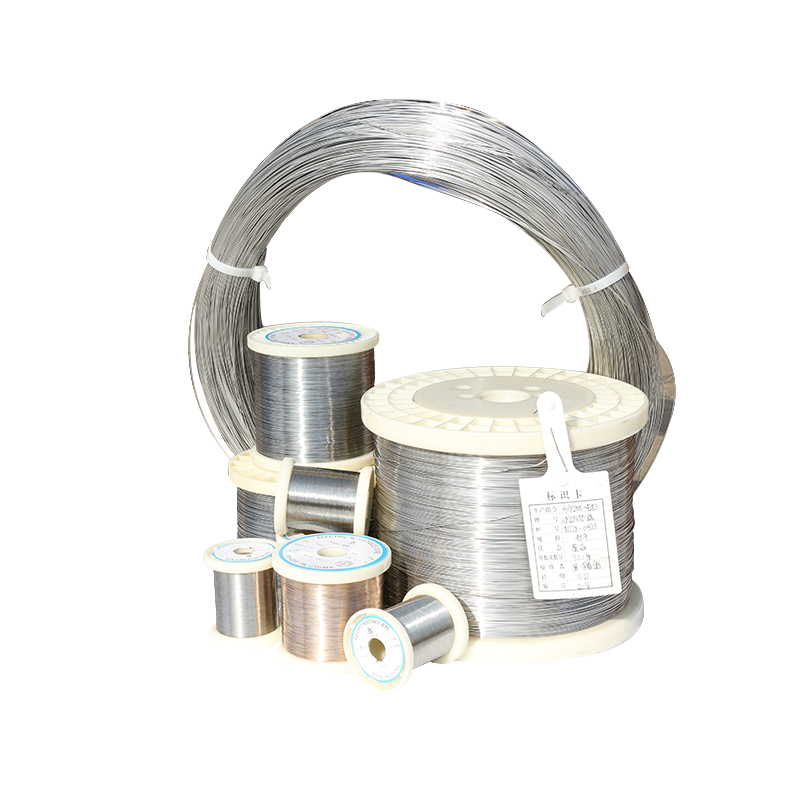
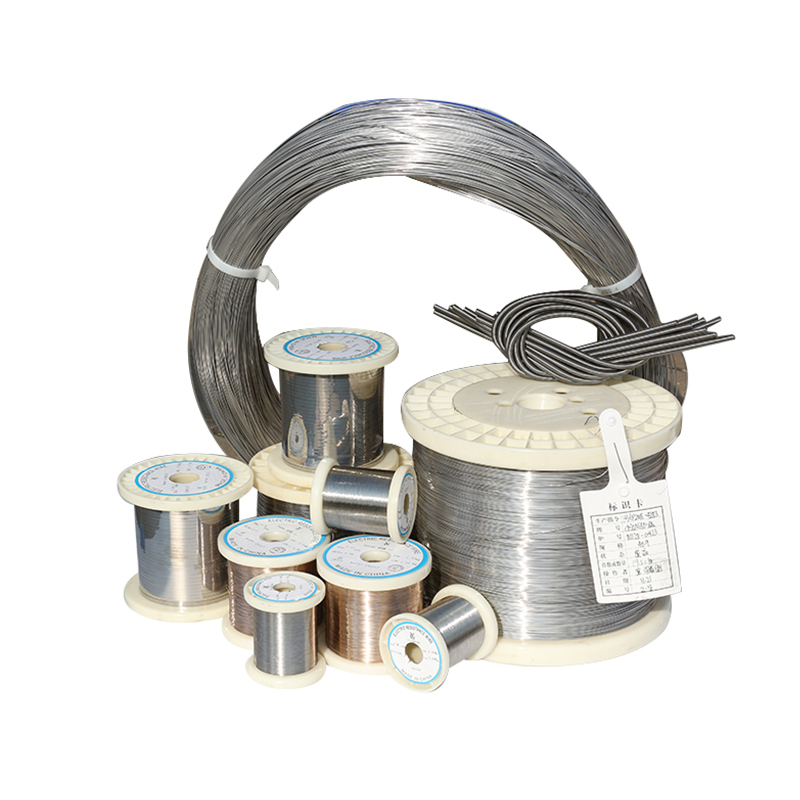
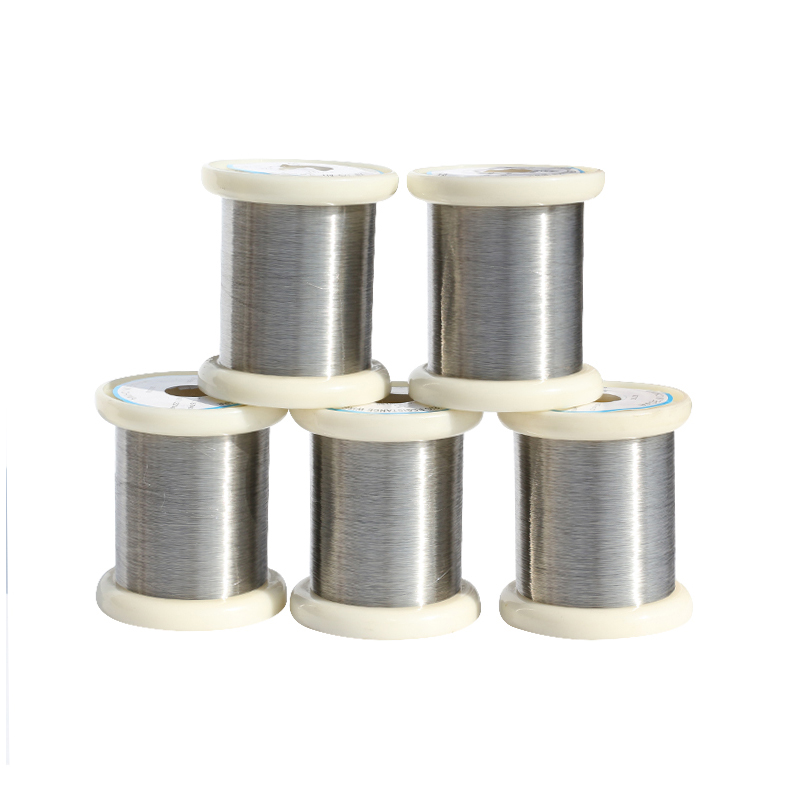
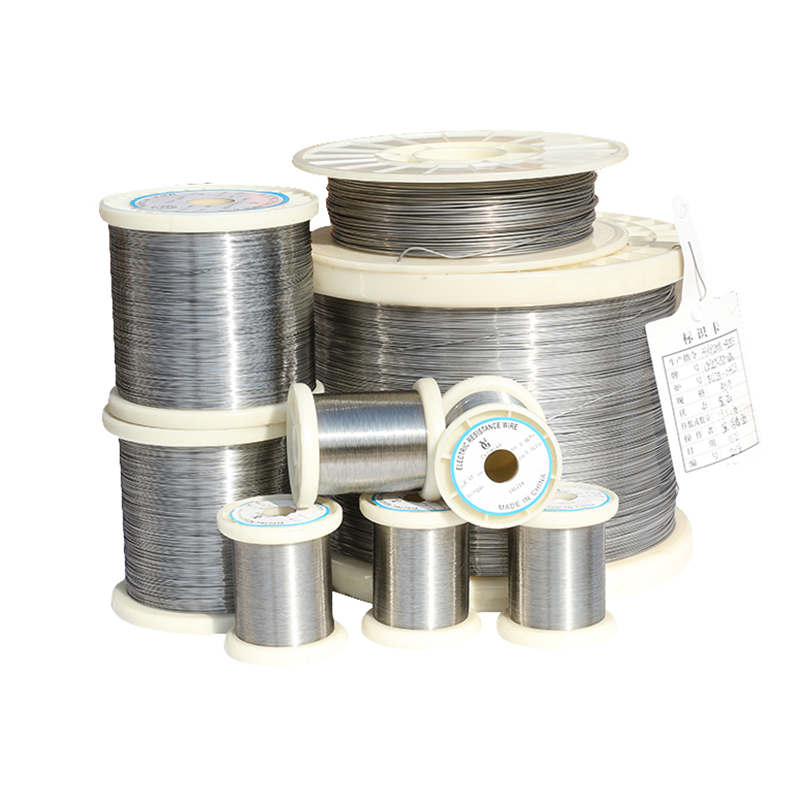
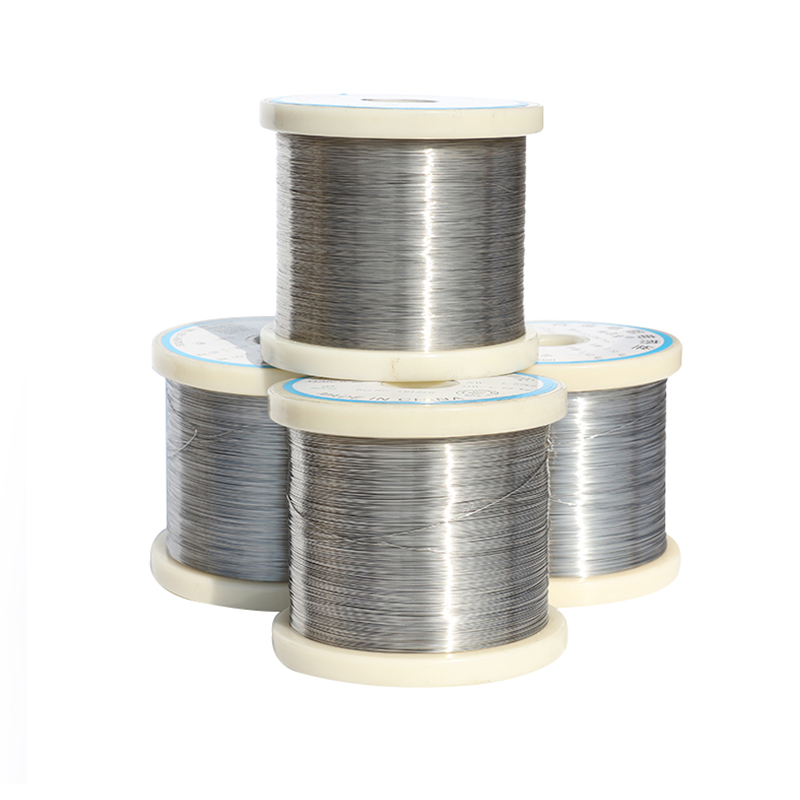
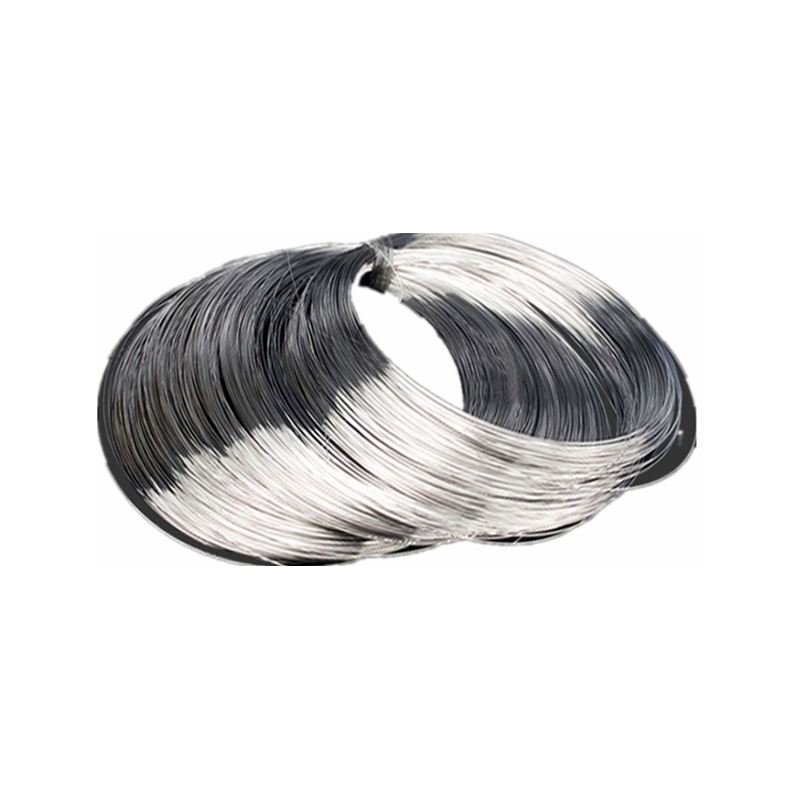
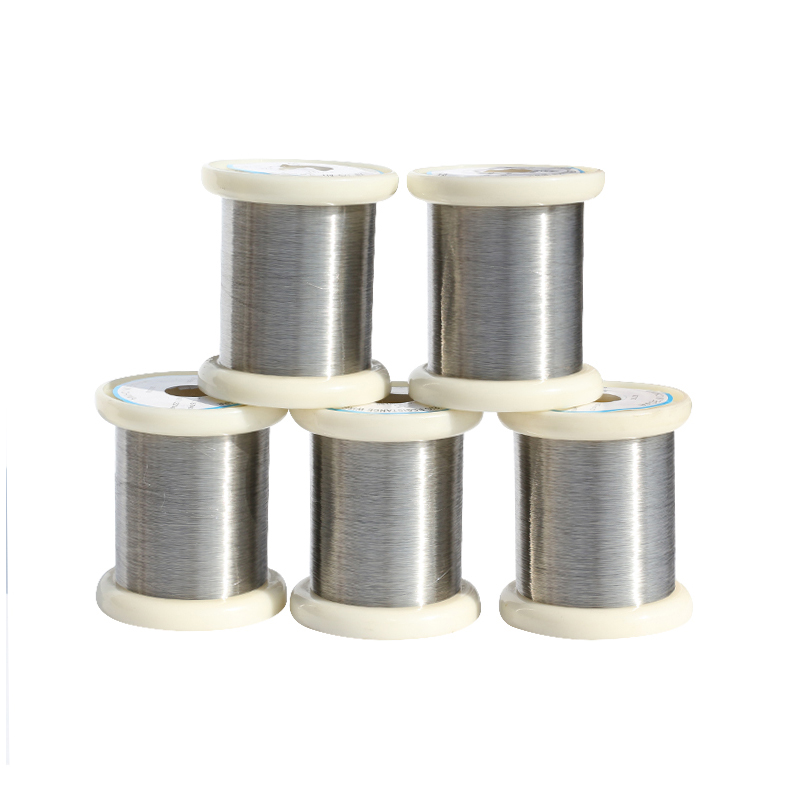
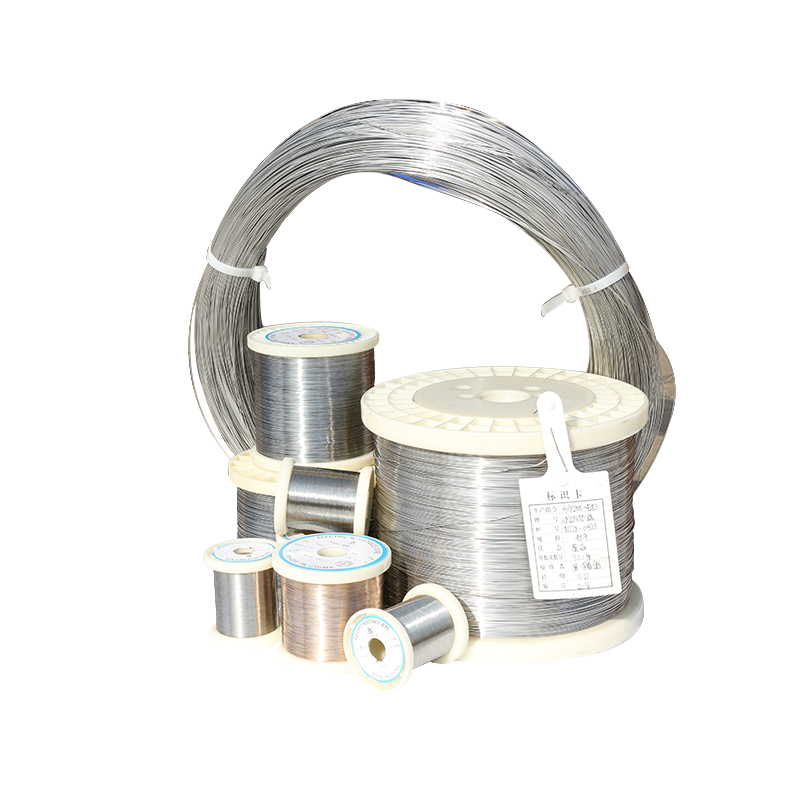
1CR13AL4 high-resistance iron-chromium-aluminum alloy wire belongs to the iron-chromium-aluminum series of heating alloys. Its core features are high resistivity, good processing performance, and cost advantages. This material is mainly composed of iron (Fe), chromium (Cr), and aluminum (Al), and contains trace amounts of rare earth elements (RE) to improve its oxidation resistance and lifespan. The 12.0%–15.0% chromium content is key to providing corrosion resistance; although this content is lower than in higher-grade alloys, it is sufficient to form a dense protective layer on the surface at medium temperatures of 950°C. The high melting point of 1450°C provides ample safety margin, preventing instantaneous melting due to accidental overload.
- Specification
- Contact Us
| Grade | 1Cr13Al4 | 10Cr21Al4 | 0Cr21Al6 | 0Cr23Al5 | 0Cr25Al5 | 0Cr21Al6Nb | 0Cr27Al7Mo2 | |
| Main chemical composition (%) | Cr | 12.0–15.0 | 17.0–21.0 | 19.0–22.0 | 20.5–23.5 | 23.0–26.0 | 21.0–23.0 | 26.5–27.8 |
| Al | 4.0–6.0 | 2.0–4.0 | 5.0–7.0 | 4.2–5.3 | 4.5–6.5 | 5.0–7.0 | 6.0–7.0 | |
| Fe | Bal | Bal | Bal | Bal | Bal | Bal | Bal | |
| Re | Opportune | Opportune | Opportune | Opportune | Opportune | Opportune | Opportune | |
| Mn | ≤0.7 | ≤0.7 | ≤0.7 | ≤0.7 | ≤0.7 | ≤0.7 | ≤0.2 | |
| Nb0.5 | Mo:1.8–2.2 | |||||||
| Max continuous service temp. of element (℃) | 950 | 1100 | 1300 | 1250 | 1300 | 1350 | 1400 | |
| Melting point (℃) | 1450 | 1500 | 1500 | 1500 | 1500 | 1510 | 1520 | |
| Density (g/cm³) | 7.4 | 7.35 | 7.16 | 7.25 | 7.1 | 7.1 | 7.1 | |
| Resistivity (μΩ·m at 20℃) | 1.25±0.08 | 1.23±0.06 | 1.42±0.07 | 1.35±0.06 | 1.45±0.07 | 1.45±0.07 | 1.53±0.07 | |
| Tensile strength (Mpa) | 588–735 | 637–784 | 637–784 | 637–784 | 637–784 | 637–784 | 686–784 | |
| Elongation (%) | >16 | >12 | >12 | >12 | >12 | >12 | >10 | |
| Bending frequency | >5 | >5 | >5 | >5 | >5 | >5 | >5 | |
| Accelerated life test (h/℃) | - | ≥80/1250 | ≥80/1300 | ≥80/1300 | ≥80/1300 | ≥50/1350 | ≥50/1350 | |
| Specific heat (J/g·℃) | 0.49 | 0.49 | 0.52 | 0.46 | 0.494 | 0.494 | 0.494 | |
| Thermal conductivity (k J/m·h·℃) | 52.7 | 46.9 | 63.2 | 60.1 | 46.1 | 46.1 | 45.2 | |
| Coefficient of linear expansion (20–1000℃, ×10⁻⁶/℃) | 15.4 | 13.5 | 14.7 | 15 | 16 | 16 | 16 | |
| Hardness (HB) | 200–260 | 200–260 | 200–260 | 200–260 | 200–260 | 200–260 | 200–260 | |
| Micro structure | Ferrite F | Ferrite F | Ferrite F | Ferrite F | Ferrite F | Ferrite F | Ferrite F | |
| Magnetic | Yes | Yes | Yes | Yes | Yes | Yes | Yes | |
About Us
Danyang Haiwei Electrothermal Alloy Co., Ltd.
Danyang Haiwei Electrothermal Alloy Co., Ltd. is located in Lvcheng Town, Danyang City, Jiangsu Province, China. The company was established in 2010 based on the original company "Danyang Huakang Electric Heating Alloy Co., Ltd." and has been in operation for over 40 years. Since its expansion, the company's total area has reached 30,000 square meters. As a famous China 1CR13AL4 High-Resistance Iron Chromium Aluminum Alloy Wire Manufacturers and 1CR13AL4 High-Resistance Iron Chromium Aluminum Alloy Wire Factory, the company has production lines for a series of products including FeCrAl, Kanthal, CuNi, NiCr, CuMn, Kangtong, Monel, Incoloy, Hastelloy, etc. We have equipped with advanced equipment and processes, capable of providing a complete product range from raw material melting, steel rolling, stretching, heat treatment to finished products and packaging. Standardization work and strict inspections run through every stage of the product. As Haiven people, we have always adhered to the goal of "building a first-class brand and a first-class enterprise". We uphold the spirit of "quality first, reputation foremost", providing customers with the highest quality products and competitive prices. Welcome new and old customers at home and abroad to visit and patronize. Let us achieve long-term win-win cooperation.
News
-
-
The gauge and insulation material of thermocouple wire directly determine its response speed, temperature range, accuracy, mechanical durability, and service life. Thinner wire re...
READ MORE -
To properly install and connect thermocouple wire and avoid measurement errors, you must match the wire type to the application, maintain polarity, minimize extension wire length,...
READ MORE -
What Are the Key Differences Between Iron Chromium Aluminum Alloy Grades Such as FeCrAl and Kanthal?
The Direct Answer: Grade Differences Come Down to Composition, Temperature Ceiling, and Service Life Iron chromium aluminum alloy grades — including the widely used Kanthal family...
READ MORE -
How Do You Select the Right Copper-Nickel Grade for Shipbuilding, HVAC, and Industrial Pipe Systems?
Selecting the Right Copper-Nickel Grade Requires Matching Alloy Composition to the Specific Corrosion Environment, Operating Pressure, Temperature, and Flow Conditions of Each App...
READ MORE
Copyright © Danyang Haiwei Electrothermal Alloy Co., Ltd. All Rights Reserved
 Wholesale 1CR13AL4 High-Resistance Iron Chromium Aluminum Alloy Wire Factory