

 English
 русский
 Español

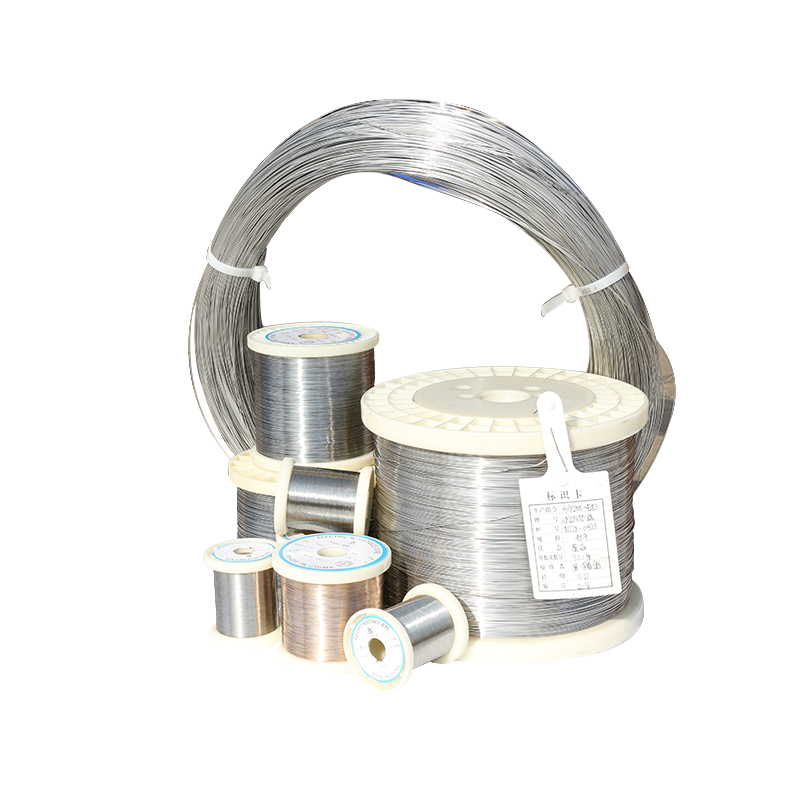
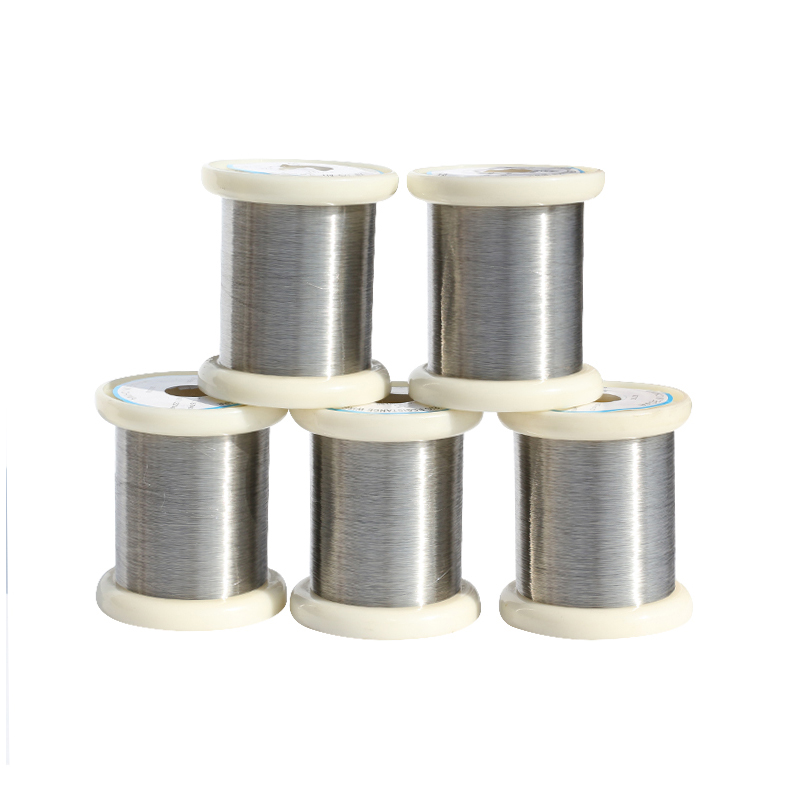
The Bottom Line: Which Should You Choose? Choose Monel when your environment involves seawater, hydrofluoric acid, or highly reducing conditions. Choose stainless steel when oxidizing environments, ...
READ MORENews

Why Is Monel Alloy Gaining Popularity in Harsh Marine Environments?
Date:Apr 10, 2026
Monel Alloy has rapidly become one of the most trusted materials in marine engineering and offshore applications. As industries increasingly operate in aggressive seawater conditions, the demand for materials that can withstand corrosion, pressure, and long-term exposure has surged. Monel Alloy, a nickel-copper alloy known for its exceptional durability, is gaining widespread recognition for its ability to perform where many traditional metals fail.
Exceptional Corrosion Resistance in Seawater
Natural Resistance to Saltwater Damage
Material Composition and Stability
Monel Alloy is primarily composed of a high percentage of nickel and copper, a combination that gives it exceptional chemical stability in saline environments. Unlike ordinary carbon steel, which rapidly oxidizes when exposed to saltwater, Monel forms a naturally protective surface layer that prevents further degradation. This inherent resistance means that even after prolonged exposure to seawater, the material retains its structural integrity and does not suffer from severe rusting or scaling.
Resistance to Pitting and Crevice Corrosion
One of the most damaging forms of corrosion in marine environments is pitting corrosion, which can lead to sudden material failure. Monel Alloy offers excellent resistance to localized corrosion such as pitting and crevice attack, especially in chloride-rich environments like seawater. This makes it particularly valuable in applications where components are continuously submerged or exposed to splashing seawater, such as offshore platforms and ship hull fittings.
Long-Term Performance in Harsh Conditions
In real-world marine applications, materials must withstand years or even decades of exposure without significant degradation. Monel Alloy has proven its ability to maintain performance over extended service periods, reducing the need for frequent inspections, repairs, or replacements. This long-term durability is one of the key reasons industries are shifting toward Monel for critical marine components.
Protection Against Biofouling and Marine Growth
Understanding Biofouling Challenges
Marine environments are not only chemically aggressive but also biologically active. Organisms such as algae, barnacles, mussels, and bacteria tend to attach themselves to submerged surfaces, leading to biofouling. This accumulation can reduce equipment efficiency, increase drag, and accelerate corrosion processes. For example, in pipelines or heat exchangers, biofouling can significantly restrict flow and heat transfer efficiency.
Monel Alloy’s Anti-Fouling Characteristics
Monel Alloy exhibits natural resistance to the adhesion of marine organisms, which helps mitigate the impact of biofouling. While it is not entirely immune to biological growth, its surface properties make it less conducive to organism attachment compared to many other metals. This results in cleaner surfaces over time and reduces the frequency of maintenance interventions such as cleaning or chemical treatments.
Operational and Economic Benefits
By minimizing biofouling, Monel Alloy contributes to improved operational efficiency and lower maintenance costs. Equipment made from Monel requires less downtime for cleaning and servicing, which is especially critical in offshore and deep-sea operations where maintenance can be complex and expensive. Additionally, reduced biofouling helps maintain optimal fluid flow and energy efficiency, further enhancing overall system performance.
Performance in Both Static and Flowing Seawater
Stability in Static Seawater Conditions
In static or low-flow seawater environments, materials are more susceptible to localized corrosion due to stagnant conditions and oxygen concentration differences. Monel Alloy demonstrates remarkable resistance to corrosion even in stagnant seawater, making it suitable for storage tanks, ballast systems, and submerged structural components.
High-Velocity Seawater Systems
In contrast, flowing seawater systems such as pipelines, pumps, and desalination units present a different challenge: erosion-corrosion caused by high fluid velocity. Monel Alloy offers excellent resistance to erosion and maintains its protective surface layer even under high flow conditions. This ensures that the material does not thin or weaken over time due to continuous fluid movement.
Versatility Across Marine Applications
The ability to perform well in both static and dynamic environments makes Monel Alloy a highly versatile material. It is widely used in components such as seawater valves, pump shafts, and piping systems where conditions can vary significantly. Its consistent performance ensures reliable operation across diverse marine scenarios.
Performance Comparison in Different Seawater Conditions
| Environment Type | Common Challenges | Monel Alloy Performance | Key Advantage |
|---|---|---|---|
| Static Seawater | Stagnation, localized corrosion | Highly resistant | Long-term stability |
| Flowing Seawater | Erosion, high-velocity impact | Excellent durability | To erosion-corrosion |
| Biofouling Conditions | Marine organism attachment | Reduced adhesion | Lower maintenance needs |
| Splash Zones | Intermittent wet/dry exposure | Strong corrosion resistance | Extended service life |
Summary of Corrosion Resistance Advantages
Comprehensive Protection in Marine Environments
Monel Alloy provides a comprehensive solution to multiple corrosion challenges found in seawater environments. Its ability to resist chemical attack, minimize biological fouling, and withstand both static and dynamic conditions makes it a superior choice for marine engineering.
Supporting Long-Term Reliability
By choosing Monel Alloy, industries can achieve greater reliability, reduced operational risks, and improved cost efficiency. Its proven track record in harsh marine environments continues to drive its growing adoption across shipbuilding, offshore energy, and desalination sectors.
Superior Mechanical Strength and Durability
High Strength Across a Wide Temperature Range
Stability in Extreme Cold Marine Environments
In deep-sea and polar marine conditions, materials are often exposed to extremely low temperatures that can cause brittleness and sudden failure in conventional metals. Monel Alloy demonstrates excellent toughness and impact resistance even at sub-zero temperatures, making it highly suitable for underwater pipelines, subsea equipment, and offshore structures operating in cold regions. Unlike some steels that become fragile in freezing environments, Monel maintains its ductility, ensuring that it can absorb stress without cracking.
Performance Under Elevated Temperatures
In addition to its low-temperature capabilities, Monel Alloy also performs exceptionally well in high-temperature environments. In applications such as heat exchangers, desalination plants, and marine engine components, materials are frequently exposed to elevated temperatures. Monel retains high tensile strength and structural integrity under heat, preventing deformation or weakening over time. This dual capability across temperature extremes makes it a highly versatile material for complex marine and industrial systems.
Consistent Mechanical Properties
A key advantage of Monel Alloy is its ability to maintain consistent mechanical performance across a wide temperature spectrum. This includes stable yield strength, tensile strength, and elongation properties, regardless of environmental fluctuations. For marine engineers, this reliability reduces the need for frequent material changes or specialized alloys for different conditions, simplifying design and improving overall system efficiency.
Resistance to Stress Corrosion Cracking
Understanding Stress Corrosion Cracking Risks
Stress corrosion cracking (SCC) is a critical issue in marine environments where materials are exposed to both mechanical stress and corrosive elements such as chloride-rich seawater. SCC can lead to sudden and catastrophic failure without significant prior warning. Many commonly used materials, including certain grades of stainless steel, are vulnerable to this phenomenon under specific conditions.
Monel Alloy’s Resistance to Combined Stresses
Monel Alloy is well-known for its strong resistance to stress corrosion cracking, particularly in chloride environments. Its unique nickel-copper composition allows it to withstand the combined effects of tensile stress and corrosion without developing cracks. This makes it an ideal choice for components that experience constant mechanical loading, such as fasteners, shafts, and pressure-containing parts.
Enhanced Safety and Reliability
By resisting SCC, Monel Alloy significantly enhances the safety and reliability of marine systems. Equipment failure in offshore environments can lead to costly downtime, environmental hazards, and safety risks for personnel. The use of Monel reduces these risks by providing a more dependable material solution that can endure harsh operating conditions over extended periods.
Long-Term Structural Stability
Excellent Fatigue Resistance
Marine environments are highly dynamic, with constant wave motion, vibration, and cyclic loading affecting structures and components. Monel Alloy offers superior fatigue resistance compared to many alternative materials, allowing it to withstand repeated stress cycles without developing cracks or weakening. This is particularly important for components such as propeller shafts, mooring systems, and offshore platform structures.
Resistance to Wear and Mechanical Degradation
In addition to fatigue resistance, Monel Alloy also exhibits good resistance to wear and mechanical degradation. In applications involving friction, movement, or fluid flow, such as pump shafts and valve components, the material maintains its surface integrity and dimensional stability. This reduces the likelihood of performance loss due to wear over time.
Dimensional Stability Over Time
Another critical factor in long-term performance is the ability of a material to retain its shape and dimensions under stress. Monel Alloy provides excellent dimensional stability, even under prolonged exposure to mechanical loads and environmental factors. This ensures that components continue to function as designed without distortion or misalignment, which is essential for precision systems in marine engineering.
Comparative Performance of Monel Alloy
| Property | Monel Alloy Performance | Typical Alternative Materials | Key Advantage |
|---|---|---|---|
| Low-Temperature Toughness | Excellent | Moderate to low | To brittleness |
| High-Temperature Strength | Stable and reliable | May weaken over time | Consistent performance |
| SCC Resistance | Very high | Often susceptible | Improved safety |
| Fatigue Resistance | Excellent | Moderate | Longer service life |
| Wear Resistance | Good | Variable | Reduced maintenance |
Integrated Strength for Demanding Applications
Adaptability to Complex Marine Conditions
The combination of high strength, crack resistance, and long-term stability makes Monel Alloy uniquely suited for demanding marine environments. It can adapt to varying conditions, including temperature fluctuations, mechanical stress, and corrosive exposure, without compromising performance. This adaptability ensures reliable operation across a wide range of applications, from shallow coastal systems to deep-sea installations.
Reducing Lifecycle Costs Through Durability
While the initial cost of Monel Alloy may be higher than some alternatives, its durability leads to significant cost savings over the lifecycle of a project. Reduced maintenance, fewer replacements, and minimized downtime all contribute to a lower total cost of ownership. For industries where reliability is critical, this long-term value is a major factor driving adoption.
Wide Range of Marine and Offshore Applications
Monel Alloy is widely recognized for its exceptional versatility in marine and offshore environments. Thanks to its unique combination of corrosion resistance, mechanical strength, and long-term durability, it has become a preferred material across multiple sectors. From traditional shipbuilding to emerging renewable energy systems, Monel continues to prove its value in some of the most demanding operating conditions.
Common Applications Across Marine Industries
Shipbuilding Applications
In the shipbuilding industry, materials must withstand continuous exposure to seawater, mechanical stress, and varying environmental conditions. Monel Alloy is frequently used in propeller shafts, fasteners, and critical structural components. These parts require not only high strength but also resistance to corrosion and fatigue. Monel ensures that ships maintain operational reliability over long periods, reducing maintenance frequency and extending service life.
Offshore Oil and Gas Industry
Offshore platforms operate in extremely harsh environments where equipment is exposed to saltwater, high pressure, and corrosive chemicals. Monel Alloy is extensively used in valves, pumps, and piping systems due to its ability to resist both corrosion and mechanical wear. Its durability ensures that critical systems continue to function safely, even under continuous stress and exposure to aggressive fluids.
Desalination Plants
Desalination facilities rely heavily on materials that can handle constant contact with seawater while maintaining efficiency. Monel Alloy is commonly used in heat exchangers and evaporators, where it provides excellent resistance to saltwater corrosion. This helps maintain consistent heat transfer performance and reduces the risk of equipment failure, which is essential for uninterrupted water production.
Marine Engineering Systems
In general marine engineering, Monel Alloy is used for seawater piping, fittings, and fluid handling systems. These components are often exposed to both static and flowing seawater, requiring materials that can perform reliably under varying conditions. Monel’s long service life and resistance to degradation make it a cost-effective solution for such applications.
Subsea Equipment
Subsea environments present unique challenges, including high pressure, low temperatures, and limited accessibility for maintenance. Monel Alloy is ideal for components exposed to high-pressure underwater conditions, such as connectors, housings, and structural elements. Its strength and to corrosion ensure that these components remain functional even in deep-sea environments.
Application Overview Table
| Application Area | Typical Use of Monel Alloy | Key Benefit |
|---|---|---|
| Shipbuilding | Propeller shafts, fasteners | Corrosion resistance + strength |
| Offshore Oil & Gas | Valves, pumps, piping systems | Durability in harsh environments |
| Desalination Plants | Heat exchangers, evaporators | Resistance to saltwater corrosion |
| Marine Engineering | Seawater piping and fittings | Long service life |
| Subsea Equipment | High-pressure components | Structural reliability |
Increasing Use in Renewable Marine Energy
Offshore Wind Energy Systems
As the global demand for renewable energy continues to grow, offshore wind farms have become a major focus. These installations require materials that can endure constant exposure to seawater, wind, and mechanical stress. Monel Alloy is increasingly used in structural connectors, fasteners, and critical support components within offshore wind turbines. Its مقاومت to corrosion ensures long-term reliability, even in highly aggressive marine environments.
Tidal and Wave Energy Applications
Tidal and wave energy systems operate in some of the most challenging marine conditions, with constant motion, and continuous exposure to saltwater. Monel Alloy is well-suited for moving components and structural elements in these systems due to its fatigue resistance and durability. This helps improve the efficiency and lifespan of renewable energy equipment.
Supporting Sustainable Infrastructure
The use of Monel Alloy in renewable marine energy contributes to the development of more sustainable and reliable infrastructure. By reducing maintenance needs and extending the lifespan of critical components, it helps lower the overall environmental impact and operational costs of energy systems.
Versatility Across Diverse Operating Conditions
Adaptability to Complex Environments
One of the key advantages of Monel Alloy is its ability to perform consistently across a wide range of marine conditions. Whether in shallow coastal waters, deep-sea environments, or industrial marine systems, it offers reliable performance without significant degradation. This adaptability simplifies material selection for engineers and designers working on complex projects.
Reducing Operational Risks
Using a material that can handle multiple challenges simultaneously—such as corrosion, pressure, and mechanical stress—helps reduce the risk of system failure. Monel Alloy provides enhanced safety and operational stability, making it a preferred choice for critical applications where reliability is essential.
Application Advantages
Broad Industry Adoption
The widespread use of Monel Alloy across shipbuilding, offshore oil and gas, desalination, and renewable energy sectors highlights its proven performance and reliability. Its ability to meet the demanding requirements of these industries makes it an indispensable material in modern marine engineering.
Future Growth Potential
As marine industries continue to evolve, particularly with the expansion of renewable energy projects, the demand for high-performance materials like Monel Alloy is expected to grow. Its unique combination of properties ensures that it will remain a key material for future marine and offshore innovations.
Cost Efficiency Through Longevity
While Monel Alloy is often perceived as a premium material with a relatively high upfront cost, its true value becomes evident over time. In demanding marine and offshore environments, where maintenance is complex and failures can be extremely costly, Monel Alloy delivers significant long-term economic advantages. By combining durability, corrosion resistance, and mechanical reliability, it helps reduce both direct and indirect operational expenses.
Reduced Maintenance and Replacement Costs
Minimizing Routine Maintenance Requirements
In marine environments, regular maintenance is essential to prevent corrosion, wear, and system failure. However, materials that degrade quickly require frequent inspections, cleaning, and repairs. Monel Alloy, due to its excellent resistance to corrosion and biofouling, significantly reduces the need for routine maintenance. Components made from Monel can operate for extended periods without requiring constant attention, allowing operators to allocate resources more efficiently.
Lower Frequency of Component Replacement
One of the major cost drivers in marine operations is the replacement of damaged or degraded components. Conventional materials such as carbon steel or even some stainless steels may require replacement after relatively short service periods. In contrast, Monel Alloy offers exceptional durability and long service life, which greatly reduces the frequency of part replacement. This is especially beneficial in offshore and subsea applications, where replacement operations are not only expensive but also logistically challenging.
Reduced Downtime and Operational Interruptions
Maintenance and replacement activities often require systems to be shut down, leading to production losses and operational delays. By using Monel Alloy, companies can achieve higher equipment reliability and fewer unexpected failures, resulting in reduced downtime. This is particularly important in industries such as offshore oil and gas or desalination, where continuous operation is critical to profitability.
Lower Lifecycle Cost
Evaluating Total Cost of Ownership
When assessing material costs, it is important to look beyond the initial purchase price and consider the total cost of ownership (TCO). This includes installation, maintenance, repair, replacement, and downtime costs. Monel Alloy demonstrates superior cost efficiency over its entire lifecycle because it minimizes many of these ongoing expenses. Although the initial investment may be higher, the long-term savings often outweigh the upfront cost.
Reduced Need for Protective Coatings
Many traditional materials require protective coatings, such as paints or galvanization, to resist corrosion in marine environments. These coatings not only add to the initial cost but also require periodic reapplication and maintenance. Monel Alloy, with its natural corrosion resistance, typically does not require additional protective layers. This eliminates coating-related expenses and simplifies maintenance procedures.
Fewer Failures and Repair Costs
Unexpected equipment failures can lead to costly emergency repairs and even safety hazards. Monel Alloy’s to corrosion, stress cracking, and mechanical wear ensures greater reliability and fewer failure incidents. This reduces the need for emergency interventions, lowers repair costs, and enhances overall operational stability.
Cost Comparison Over Time
| Cost Factor | Monel Alloy Performance | Conventional Materials | Long-Term Impact |
|---|---|---|---|
| Initial Material Cost | Higher | Lower | Higher upfront investment |
| Maintenance Frequency | Low | High | Reduced service costs |
| Replacement Rate | Very low | Moderate to high | Fewer replacements |
| Coating Requirements | Minimal or none | Regular coating needed | Lower maintenance complexity |
| Downtime Costs | Reduced | Higher | Improved productivity |
| Lifecycle Cost | Lower overall | Higher over time | Better return on investment |
Long-Term Financial Benefits
Improved Return on Investment
By reducing maintenance, replacement, and downtime costs, Monel Alloy provides a strong return on investment over time. For large-scale marine projects, even small improvements in durability can translate into substantial financial savings. This makes Monel an attractive option for companies looking to optimize long-term operational efficiency.
Lower Risk of Unexpected Expenses
Unplanned failures and emergency repairs can significantly impact project budgets. Monel Alloy helps mitigate these risks by offering predictable and reliable performance. This allows operators to better plan their maintenance schedules and avoid unexpected financial burdens.
Enhanced Asset Value and Longevity
Equipment and infrastructure built with high-quality materials tend to retain their value longer. By using Monel Alloy, companies can achieve extended asset lifespan and improved residual value. This is particularly important for capital-intensive industries where long-term asset performance is a key consideration.
Strategic Advantages for Marine Industries
Supporting Efficient Operations
In marine and offshore industries, efficiency is closely tied to reliability. Monel Alloy enables more stable and uninterrupted operations, which directly contributes to increased productivity and profitability. Its ability to perform consistently under harsh conditions ensures that systems remain operational with minimal intervention.
Aligning with Long-Term Investment Goals
For companies focused on long-term growth and sustainability, investing in durable materials like Monel Alloy aligns with strategic objectives. It supports cost control, risk reduction, and operational excellence, making it a smart choice for forward-looking organizations.
Cost Efficiency Benefits
A Long-Term Value Proposition
Monel Alloy is not just a high-performance material—it is a long-term value solution. By significantly reducing maintenance, replacement, and operational costs, it delivers economic benefits that extend far beyond its initial purchase price.
Ideal for Demanding Marine Applications
In environments where failure is not an option and maintenance is costly, Monel Alloy provides unmatched cost efficiency through longevity. Its proven performance and financial advantages make it an essential material for modern marine and offshore engineering projects.
Comparison with Other Marine Materials
In marine engineering, selecting the right material is critical to ensuring long-term performance, safety, and cost efficiency. While several metals such as stainless steel, brass, and bronze are commonly used in seawater environments, Monel Alloy stands out due to its superior combination of corrosion resistance, strength, and durability. A detailed comparison helps illustrate why Monel is increasingly preferred for demanding marine and offshore applications.
Monel Alloy vs Stainless Steel
Corrosion Resistance in Seawater
Stainless steel is widely used in marine environments because of its general corrosion resistance. However, in chloride-rich conditions such as seawater, many stainless steel grades are susceptible to pitting and crevice corrosion. Monel Alloy, on the other hand, offers exceptional resistance to seawater corrosion, maintaining its integrity even after prolonged exposure. This makes it particularly suitable for submerged and high-salinity applications where stainless steel may degrade over time.
Mechanical Strength and Reliability
When comparing mechanical properties, Monel Alloy provides higher strength and better resistance to deformation under stress. Stainless steel, while strong, may not perform as consistently in extreme marine conditions, especially when exposed to fluctuating temperatures and mechanical loads. Monel’s stable performance ensures greater reliability for critical components such as shafts, fasteners, and pressure systems.
Biofouling Resistance
Biofouling is a common issue in marine environments, leading to efficiency loss and increased maintenance. Stainless steel surfaces tend to allow marine organisms to attach more easily, resulting in buildup over time. Monel Alloy demonstrates better resistance to biofouling, helping maintain cleaner surfaces and more efficient system performance. This advantage reduces the need for frequent cleaning and chemical treatments.
Maintenance Requirements
Due to its susceptibility to localized corrosion and biofouling, stainless steel often requires more frequent maintenance, inspections, and protective measures. In contrast, Monel Alloy offers lower maintenance requirements thanks to its natural resistance to corrosion and environmental degradation. This translates into reduced operational costs and less downtime.
Performance Comparison Table
| Property | Monel Alloy | Stainless Steel | Key Advantage |
|---|---|---|---|
| Corrosion Resistance | Excellent in seawater | Moderate to high | Better durability in saltwater |
| Strength | High | Moderate | Greater load-bearing capacity |
| Biofouling Resistance | Excellent | Limited | Cleaner surfaces, higher efficiency |
| Maintenance | Low | Higher | Reduced operational costs |
Monel Alloy vs Brass and Bronze
Traditional Use of Brass and Bronze
Brass and bronze have long been used in marine applications due to their corrosion resistance and ease of fabrication. They are commonly found in components such as fittings, valves, and decorative elements. However, as marine environments become more demanding, the limitations of these materials are becoming more apparent.
Corrosion Resistance Under Extreme Conditions
While brass and bronze perform adequately in mild marine environments, they can suffer from issues such as dezincification and general corrosion when exposed to aggressive seawater conditions. Monel Alloy provides superior resistance to chemical attack and saltwater corrosion, making it a more reliable choice for long-term use in harsh environments.
Strength and Mechanical Performance
In terms of mechanical strength, Monel Alloy significantly outperforms both brass and bronze. It offers higher tensile strength and better to mechanical stress, which is essential for load-bearing and high-pressure applications. Brass and bronze are generally softer materials, making them more prone to deformation and wear under heavy loads.
Durability and Wear Resistance
Durability is another key factor where Monel Alloy excels. It demonstrates greater resistance to wear, fatigue, and mechanical degradation compared to brass and bronze. This makes it particularly suitable for moving parts and components subjected to continuous operation, such as pump shafts and marine fasteners.
Comparative Performance Overview
| Property | Monel Alloy | Brass/Bronze | Key Advantage |
|---|---|---|---|
| Corrosion Resistance | Excellent | Moderate | Longer service life |
| Strength | High | Lower | Structural performance |
| Wear Resistance | High | Moderate | Reduced material degradation |
| Durability | Excellent | Moderate | Fewer replacements |
Choosing the Right Material for Marine Applications
Application-Specific Considerations
The choice between Monel Alloy and other materials depends on the specific application requirements. For less demanding environments, stainless steel or bronze may still be suitable. However, in applications involving high salinity, pressure, temperature fluctuations, and mechanical stress, Monel Alloy provides a clear advantage.
Long-Term Performance vs Initial Cost
Although Monel Alloy typically has a higher initial cost, its superior performance leads to lower lifecycle costs and greater reliability. When maintenance, replacement, and downtime costs are considered, Monel often proves to be the more economical choice over time.
Environmental and Safety Advantages
In modern marine and offshore engineering, environmental protection and operational safety are no longer optional—they are essential requirements. Materials used in these industries must not only deliver high performance but also minimize environmental impact and reduce safety risks. Monel Alloy stands out as a material that effectively addresses both concerns through its reliability, durability, and sustainability.
Reliable Performance Reduces Environmental Risks
Preventing Leakage and Structural Failures
Marine systems such as pipelines, storage tanks, valves, and offshore platforms often handle hazardous substances, including oil, gas, and chemicals. If these systems fail due to material degradation, the consequences can be severe, leading to environmental pollution and economic losses. Monel Alloy offers exceptional resistance to corrosion and mechanical failure, significantly reducing the likelihood of leaks and structural breakdowns.
By maintaining its integrity even in highly corrosive seawater environments, Monel helps ensure that critical containment systems remain secure. This reliability is particularly important in offshore oil and gas operations, where even minor leaks can escalate into major environmental incidents.
Enhancing Safety in High-Risk Environments
Marine and offshore environments are inherently hazardous, with factors such as high pressure, strong currents, and extreme weather conditions posing constant challenges. Materials used in these settings must be able to withstand these stresses without compromising safety. Monel Alloy provides high strength and resistance to stress corrosion cracking, ensuring that components perform reliably under demanding conditions.
This enhanced reliability reduces the risk of sudden failures that could endanger personnel and equipment. As a result, Monel contributes to safer working environments and helps companies meet stringent safety regulations.
Supporting Regulatory Compliance
Environmental and safety regulations in marine industries are becoming increasingly strict. Companies are required to use materials that minimize the risk of pollution and ensure long-term system integrity. Monel Alloy supports compliance with environmental standards and safety guidelines by offering dependable performance and reducing the need for frequent repairs or replacements that could introduce risks.
Sustainable Material Choice
Long Lifespan Reduces Material Waste
One of the key aspects of sustainability is the ability to reduce material consumption over time. Monel Alloy’s extended service life means that components do not need to be replaced as frequently as those made from less durable materials. This directly reduces the volume of waste generated and lowers the demand for raw material extraction and processing.
In large-scale marine projects, where thousands of components may be used, the impact of longer-lasting materials can be significant. By choosing Monel Alloy, companies can contribute to more sustainable resource management.
Recyclability and Resource Efficiency
Monel Alloy is highly recyclable, which further enhances its environmental credentials. At the end of its service life, the material can be reprocessed and reused without significant loss of properties. This reduces the need for virgin raw materials and supports circular economy practices within the metal industry.
Recycling also requires less energy compared to primary metal production, helping to reduce overall carbon emissions. This makes Monel Alloy an environmentally responsible choice for companies aiming to lower their environmental footprint.
Reduced Need for Chemical Treatments and Coatings
Many conventional materials require protective coatings, anti-corrosion treatments, or chemical cleaning processes to maintain performance in marine environments. These processes can involve the use of hazardous substances that may harm the environment. Monel Alloy, with its natural resistance to corrosion and biofouling, typically does not require such treatments.
By eliminating or reducing the need for coatings and chemicals, Monel helps minimize environmental contamination and simplifies maintenance procedures. This contributes to cleaner and more sustainable operations.
Environmental and Safety Performance Overview
| Aspect | Monel Alloy Advantage | Environmental/Safety Impact |
|---|---|---|
| Corrosion Resistance | Excellent | Prevents leaks and pollution |
| Structural Reliability | High | Reduces risk of system failure |
| Lifespan | Long | Less material waste |
| Recyclability | High | Supports resource conservation |
| Coating Requirements | Minimal or none | Reduces chemical usage |
| Maintenance Frequency | Low | Safer and more efficient operations |
Long-Term Environmental Benefits
Supporting Sustainable Marine Infrastructure
As industries move toward greener and more sustainable practices, the choice of materials plays a crucial role. Monel Alloy enables the development of long-lasting and environmentally responsible marine infrastructure. Its durability reduces the need for frequent repairs and replacements, which in turn lowers energy consumption and emissions associated with manufacturing and transportation.
Reducing Lifecycle Environmental Impact
When evaluating environmental impact, it is important to consider the entire lifecycle of a material—from production to disposal. Monel Alloy offers lower overall environmental impact over its lifecycle due to its longevity, recyclability, and reduced maintenance requirements. This makes it a preferred choice for projects aiming to meet sustainability goals.
FAQ
What is Monel Alloy and why is it widely used in marine environments?
Monel Alloy is a nickel-copper alloy known for its excellent corrosion resistance, high strength, and durability. It is widely used in marine environments because it can withstand prolonged exposure to seawater, resist biofouling, and maintain structural integrity under extreme conditions. These properties make it ideal for applications such as shipbuilding, offshore oil and gas systems, and desalination plants.
Is Monel Alloy better than stainless steel for seawater applications?
In many cases, Monel Alloy performs better than stainless steel in seawater environments. While stainless steel offers good general corrosion resistance, it can be vulnerable to pitting and crevice corrosion in chloride-rich conditions. Monel Alloy provides superior resistance to seawater corrosion and stress corrosion cracking, making it more reliable for long-term marine use.
What are the main advantages of Monel Alloy in offshore applications?
Monel Alloy offers several key advantages in offshore environments, including high mechanical strength, resistance to corrosion, low maintenance requirements, and long service life. These benefits reduce the risk of equipment failure, minimize downtime, and lower overall operational costs in demanding offshore conditions.
Does Monel Alloy require protective coatings?
No, Monel Alloy typically does not require additional protective coatings. Its natural resistance to corrosion and biofouling allows it to perform effectively in marine environments without the need for paints or chemical treatments, reducing maintenance complexity and environmental impact.
How does Monel Alloy contribute to cost savings?
Although Monel Alloy has a higher initial cost, it delivers lower lifecycle costs by reducing maintenance, replacement, and downtime expenses. Its long lifespan and reliability make it a cost-effective solution for industries where equipment failure can be extremely expensive.
Is Monel Alloy environmentally friendly?
Yes, Monel Alloy supports sustainable practices due to its long service life, recyclability, and reduced need for chemical treatments. These characteristics help minimize material waste, lower energy consumption, and reduce environmental impact over the product lifecycle.
What industries benefit the most from using Monel Alloy?
Industries that benefit most include marine engineering, shipbuilding, offshore oil and gas, desalination, and renewable marine energy. These sectors require materials that can perform reliably under harsh environmental conditions, making Monel Alloy an ideal choice.
Can Monel Alloy be used in renewable energy systems?
Yes, Monel Alloy is increasingly used in offshore wind, tidal, and wave energy systems. Its resistance to seawater corrosion and mechanical stress makes it suitable for components that must operate continuously in harsh marine environments, supporting the development of sustainable energy infrastructure.
References
- ASM International – Properties and Selection: Nonferrous Alloys and Special-Purpose Materials
- Nickel Institute – Nickel Alloys in Marine Applications
- NACE International (AMPP) – Corrosion Basics: An Introduction
- Outokumpu Technical Handbook – Corrosion Resistance of Stainless Steels and Nickel Alloys
- DNV (Det Norske Veritas) – Offshore Standards and Material Guidelines
- ISO 15156 / NACE MR0175 – Materials for Use in H2S-Containing Environments in Oil and Gas Production
- Callister, W.D. – Materials Science and Engineering: An Introduction
- Schweitzer, P.A. – Corrosion Engineering Handbook
Recommended Articles
Content
- 1 Exceptional Corrosion Resistance in Seawater
- 2 Superior Mechanical Strength and Durability
- 3 Wide Range of Marine and Offshore Applications
- 4 Cost Efficiency Through Longevity
- 5 Comparison with Other Marine Materials
- 6 Environmental and Safety Advantages
- 7 FAQ
- 7.1 What is Monel Alloy and why is it widely used in marine environments?
- 7.2 Is Monel Alloy better than stainless steel for seawater applications?
- 7.3 What are the main advantages of Monel Alloy in offshore applications?
- 7.4 Does Monel Alloy require protective coatings?
- 7.5 How does Monel Alloy contribute to cost savings?
- 7.6 Is Monel Alloy environmentally friendly?
- 7.7 What industries benefit the most from using Monel Alloy?
- 7.8 Can Monel Alloy be used in renewable energy systems?
- 8 References
News
-
-
The gauge and insulation material of thermocouple wire directly determine its response speed, temperature range, accuracy, mechanical durability, and service life. Thinner wire responds faster but we...
READ MORE -
To properly install and connect thermocouple wire and avoid measurement errors, you must match the wire type to the application, maintain polarity, minimize extension wire length, use the correct con...
READ MORE
Copyright © Danyang Haiwei Electrothermal Alloy Co., Ltd. All Rights Reserved
 OEM/ODM Nickel Based High-Temperature Alloy Manufacturers